

High doses of methylprednisoline with tocilizumab (if needed) successfully resolved COVID-19-associated cytokine storm syndrome in treated patients, doctors report.
High doses of methylprednisoline with tocilizumab (if needed) successfully resolved COVID-19-associated cytokine storm syndrome in treated patients, doctors report.
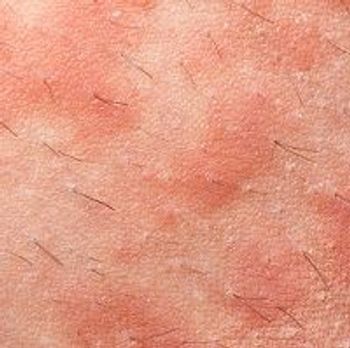
Upadacitinib 15 mg and 30 mg outperformed placebo in Measure Up 2, the second part of a phase 3 study on the monotherapy.

Despite negative trial resutls, the data support the posibility of tapering off NSAIDs and the plausibility of self-management approaches like CBT.

In this week’s news roundup from Rheumatology Network, we talk with Dr. Chrstine Anastasiou, a rheumatologist with the University of California San Francisco who recently published a study in Arthritis Care and Research that finds significant improvements in mortality for hospitalized patients in the U.S. with systemic lupus, but there remains a high mortality rate among blacks and Hispanics with SLE, and, now among Asian/Pacific Islanders with the condition. Learn more in this interview.

This study suggests that doctors may want to reconsider allowing repeat antinuclear antibody (ANA) testing. Repeat tests are expensive and hold little value, shows this study from The Lancet Rheumatology.
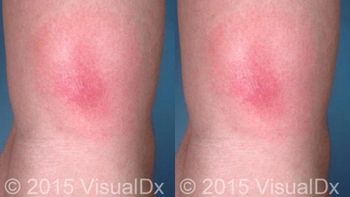
A few weeks after a camping trip in Connecticut, a 24-year-old woman went to her local urgent care center with flu-like symptoms of myalgia, arthralgias, headache, and fever. She reported having an annular lesion on her leg shortly after the trip. Can you diagnose this patient?

The U.S. FDA has approved the sixth biosimilar to Humira, adalimumab-FKJP (Hulio), which will be available in the United States in 2023 for rheumatoid arthritis, psoriatic arthritis, psoriasis, juvenile arthritis and other conditions.

Guselkumab represents the first FDA approved medication for active psoriatic arthritis that selectively inhibits interleukin-23.

The U.S. FDA has approved the first treatment for adult-onset Still's disease, a rare form of systemic juvenile idiopathic arthritis associated with high fever, arthritis and rash.

This article originally appeared on DiagnosticImaging.com
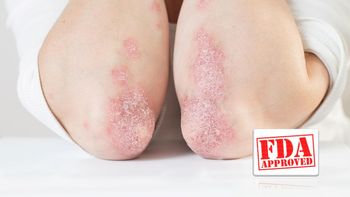
The U.S. Food and Drug Administration has approved the first IL-23 inhibitor for moderate to severe psoriatic arthritis. The newly approved treatment, guselkumab, has been shown to improve the signs and symptoms of fatigue associated with PsA.

A new analysis is strengthening the safety profile of abaloparatide (Tymlos) in postmenopausal women to prevent risk of fracture.

A new analysis suggests DOAC use was associated with a lower risk of osteoporotic fracture than warfarin.

A new study shows that the JAK-inhibitor upadacitinib (Rinvoq, AbbVie) led to remission by 24 weeks in patients with moderately to severely active rheumatoid arthritis.

Methotrexate is considered first-line therapy for rheumatoid arthritis, but if this fails to control symptoms, it is time to consider a second-line therapy. TNF inhibitors and IL inhibitors are options, but which to choose? Learn more in this quiz.

Patients with suspected osteoporotic fractures and normal DXA rarely have normal bone, shows a new study.

Inhaled corticosteroids for asthma or COPD do not increase the risk of major osteoporotic fractures in older women, new study shows.

A new analysis of more than 100k type 2 diabetics from the UK is shedding light on prevalence of cardiovascular and noncardiovascular comorbidities versus nondiabetics.
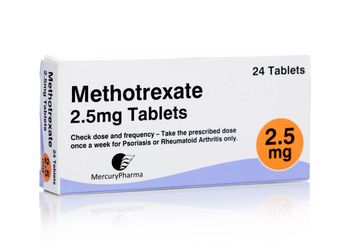
Patients with rheumatic disease are at higher risk for skin cancer, gastrointestinal infectious, pulmonary disease, and hematologic conditions. A new study finds that taking low-dose methotrexate may lower the risk of developing these conditions.
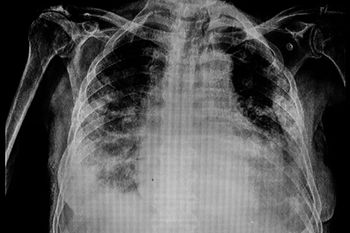
Rheumatoid arthritis is not associated with an increased risk of death in patients hospitalized for pneumonia, unless it is uncontrolled, shows a new study.

Rheumatoid arthritis patients have nearly a double risk of atherosclerotic CVD, stroke, heart failure and atrial fibrillation, but they receive poorer primary and secondary preventive care than other high-risk patients. Learn more in this summary of a review published in Nature Reviews Rheumatology.

The mosquito-borne chikungunya virus can lead to symptoms of arthritis that are similar to rheumatoid arthritis. In this Q&A, we speak with the an expert who recently published a review article focusing on the commonalities between the two conditions.

The statement contains positions and oppositions for telemedicine, along with highlights barriers and opportunities for patients and rheumatology professionals.

There are three traditional models of physician-patient decision-making. In rheumatology, patients overwhelmingly prefer a collaborative approach. In today's column, we review the decision-making process in the doctor's office.

In today's news roundup, we feature a discussion with Ben Nowell, Ph.D., director of Patient Centered Research for the Global Healthy Living Foundation, which five years ago launched ArthritisPower, a mobile app used in healthcare research. Learn more in this interview.

There are many treatments and strategies to address fatigue in rheumatoid arthritis (RA) patients, but no one approach works for all patients. In this slideshow, we highlight key takeaways from a recent review that highlights key strategies for treating fatigue in RA.

New research published in Arthritis and Rheumatology shows that vitamin D and marine omega‐3 fatty acids (n‐3 FA) do not offer long-term relief from knee pain, stiffness or function in older adults with chronic knee pain.
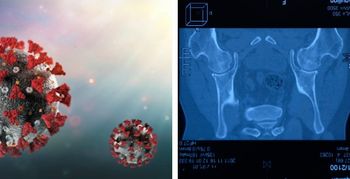
French researchers writing in Arthritis and Rheumatology report that of 609 surveyed spondyloarthritis patients self-isolating at home due to COVID-19, most say their condition has progressed while in isolation and for some, the change has been considerable.
More than three-fourths of online respondents expressed concern about providing in-person patient safety after COVID-19. Another 35% want to use telemedicine in their practice now.