





Gout
Latest News
Advertisement
Latest Videos



Podcasts


CME Content






















































Advertisement
More News

Multicenter study shows patients with both CKD and gout achieve better urate control on febuxostat than those with gout alone, despite the lower doses.

A 20-year population study found unilateral adrenalectomy raises long-term risks of CKD and gout in primary aldosteronism.

A study shows that knowledge of hyperuricemia alone doesn’t drive practice. Attitude significantly mediates self-management, particularly in asymptomatic individuals.

A new study reveals ligdolinurad effectively lowers uric acid levels in gout patients, showcasing promising safety and tolerability results.
New data support firsekibart's efficacy over colchicine for preventing acute gout flares.
This rheumatology month in review emphasizes new data from the ACR Convergence.

The investigational therapy from Innovent Biologics, Inc. displayed significantly greater urate-lowering efficacy versus febuxostat, along with a favorable safety profile.

Despite high cardiovascular risk with the 2 comorbidities, no beneficial effect was seen with colchicine.

A recent study reveals gout patients face higher chronic opioid prescription rates.
Allopurinol and febuxostat, recently associated with significant risk of macrovascular disorders, have no increased risk of microvascular conditions.

Using an established full and simplified definition, investigators found a substantial percentage of the MIRROR population achieved gout remission.

New research reveals challenges in maintaining urate-lowering therapy for gout, highlighting disparities in adherence among diverse patient populations.

Machine learning uncovers gut microbiome biomarkers linked to purine metabolism, enhancing diagnostic strategies for gout and hyperuricemia.
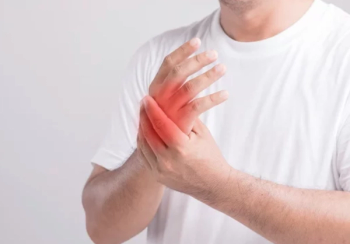
A new study reveals that gout significantly affects hand function, with manual dexterity impairments nearly as severe as those seen in rheumatoid arthritis.

The AGILE and FORWARD studies found comparable efficacy and safety with shorter doses and higher dose, monthly doses, compared to the pivotal MIRROR trial.
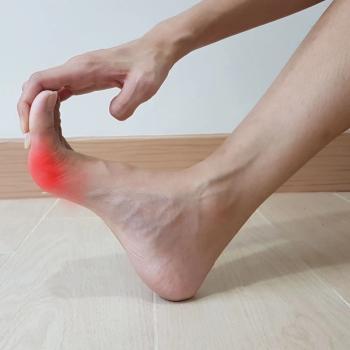
Recent research identifies 4 SNPs in the GCKR gene as significant genetic risk factors for gout, enhancing understanding of the disease's genetic basis.
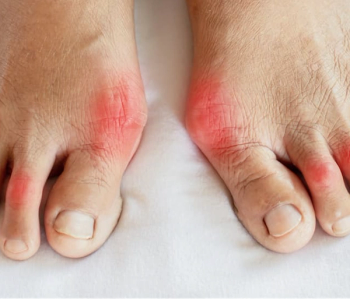
A heightened risk of hyperuricemia and gout was observed with heavier, more frequent alcohol consumption, especially in males.

The findings are the latest from a series of trials seeking to decrease treatment burden for patients with uncontrolled gout.

Epaminurad effectively lowers serum uric acid levels in gout patients, showing promise as a safe and tolerable treatment option.

New research reveals that higher protein intake may enhance lean and bone mass in individuals with rheumatic diseases, suggesting a need for dietary adjustments.
New research highlights Lipid Accumulation Product as a key predictor for gout and hyperuricemia, offering a modifiable risk factor for prevention.

A new study reveals semaglutide's protective effects against osteoporosis and gout in obese individuals with type 2 diabetes, enhancing metabolic health insights.

Notably, nearly 1/3 of study participants used opioids over a 12-month follow-up period, indicating significant pain.
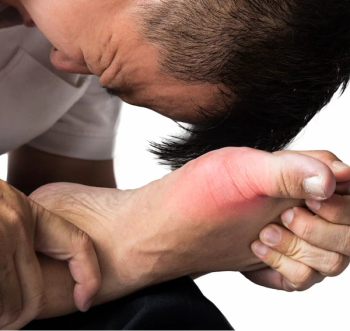
Adolescent gout rates are rising globally, highlighting the need for early intervention and lifestyle changes to mitigate health risks.

A new study utilizing machine learning reveals how physical activity reduces gout risk in people with hyperuricemia.
Advertisement
Advertisement