



























































Dialysis-dependent patients in the US with gout have an increased risk of cardiovascular comorbidities, hospitalization, and mortality. Results emphasize the need for improved treatments to enhance outcomes for this patient population.
Dialysis-dependent patients in the US with gout have an increased risk of cardiovascular comorbidities, hospitalization, and mortality. Results emphasize the need for improved treatments to enhance outcomes for this patient population.
An international pilot study shows a probiotic candidate may improve both management of gout and relevant blood serum levels in treated patients.

A brief increase in venous thromboembolism (VTE) was reported within 30 days after a hospitalization or primary care visit for gout flare. The highest incidence occurred during the 16-30 day period after the flare.
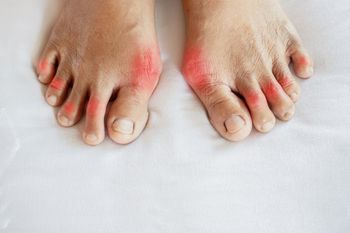
Investigators evaluated the link between gout and thalassemia using data from Taiwan's Longitudinal Health Insurance Database 2000 (LHID 2000).
Of the 23 biomarkers identified in patients with gouty arthritis and hyperuricemia, kynurenic acid, thymine, and phosphatidylinositol (PI) differed from previous gout research.

Patients' perceptions of the effectiveness and necessity of allopurinol for gout treatment proved to be strong factors influencing intentional adherence.

An analysis of the DELIVER and DAPA-HF trials provides an overview of the impact of gout on heart failure outcomes and effects of dapagliflozin in this patient population.
Compared with treatments like allopurinol, nanoparticles can improve the biocompatibility and bioavailability while reducing toxicity and side effects in patients with gout.

Data from the phase 2 CLUE trial provide insight into the safety and efficacy of tigulixostat as a serum urate-lowering therapy in patients with gout with hyperuricemia.

Investigators noted that presenting tophi in perioperative patients was found to be an independent risk factor for gout recurrence within the first year postoperative.

While the benzbromarone group had a slightly higher rate compared to the control group, this difference did not reach statistical significance.
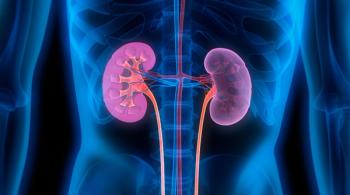
The study utilized a nationwide cohort of patients with hemodialysis and peritoneal dialysis to evaluate gout prevalence, practice patterns, and clinical associations.

An analysis of survey data from more than 2000 patients in Western Sweden is providing insight into how the impact of inflammatory joint disease on health-related quality of life differs among those with gout, RA, PsA, and ankylosing spondylitis.

Results may help minimize the risk of developing hyperuricemia, gout, and related adverse events in patients receiving antihypertensive drugs.

As an industry and a society, we must take gout more seriously. That effort begins with the physicians who diagnose and treat it.
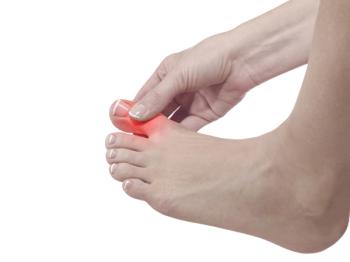
Musculoskeletal ultrasound evaluated tophus size and double contour sign in lower extremity joints of patients with gout before and after initiating uric acid lowering therapy.
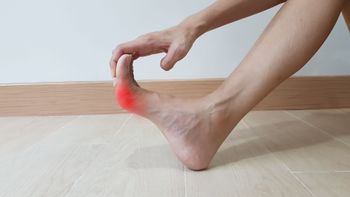
The DECT scoring system obtained excellent diagnostic performance for differentiating early-stage gout from middle-stage gout, with sensitivity, positive and negative predictive values, and specificity all achieving an accuracy of > 85%.

Anakinra effectively treated 94% of the gout flares included in the study sample and was a viable long-term treatment option.

Understanding the risk factors, such as a gout diagnosis and long-term glucocorticoid use, can help inform patients and clinicians regarding the continued management of patients with rheumatic disease during the COVID-19 pandemic.
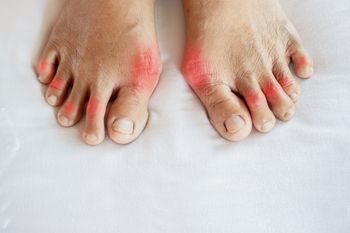
Serum urate rapidly declined after initiation of pegloticase and methotrexate therapy and was maintained well below ≥ 6 mg/dL, an indicator of uncontrolled gout, throughout the study.
Findings support the concept of early urate-lowering therapy in patients experiencing gout flare under adequate prophylactic treatment.
The data reported significant improvements in serum urate (sUA) following 12 weeks of treatment.

Given the growing evidence that patients with gout are at an increased risk of developing cardiovascular disease, accurately screening patients and identifying potential risk factors is of critical importance.

Take a few minutes to review the most noteworthy studies published on Rheumatology Network in 2022.

Take 5 minutes to catch up on Rheumatology Network's top articles from December 2022.