



Gout
Latest News
Advertisement
Latest Videos



CME Content






















































Advertisement
More News
Each unit increase in TyG index was associated with 40% higher odds of gout.
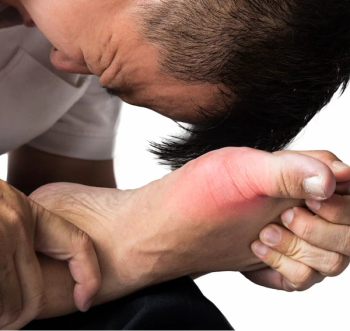
The study was not adequately powered to assess a significant association with cancer mortalities.

A new study using FDA's Sentinel System found no significant association between recombinant zoster vaccine and incident gout in adults aged 50+.

Patients with gout demonstrated higher rates of multiple medical and surgical complications than non-gout patients after primary THA.

Levels of obesity indicators, including body mass index and waist circumference, were notably higher in patients with gout compared to those without gout.

The most commonly reported symptoms were bodily pain, joint tenderness and swelling, and joint pain.

Prolonged gout, repeated flares, and severe pain impact the psychological status of patients.
Although half of participants strongly agreed that gouty arthritis is painful and can cause anxiety, only 15.28% agreed on the importance of dietary intake as a means for prevention.

A predictable, structured routine was shown to promote consistent treatment adherence among a cohort of patients with gout.
The number of prevalent gout cases is projected to reach 95.8 million by 2050, with population growth cited as the largest contributor.

At week 24, 20% of patients were able to achieve gout remission. This percentage increased to 47% at week 52.

A study shows gout and Oxidative Balance Score has a negative linear relationship and may be modified by diabetes.
A significantly larger proportion of patients in the dotinurad group met the primary endpoint compared with the febuxostat group at week 24.

The primary endpoint was met by 51% of patients in the high dose group and 43% of patients in the low dose group, compared with only 8% of those receiving placebo.

Reductions in the mean number of tender joints from baseline to month 6 were greater among patients in the treatment groups compared with placebo.
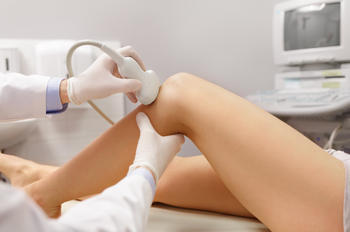
A recent study shows the need to standardize sonography for asymptomatic hyperuricemia detection.

A study revealed factors linked to gout flare risk included the absence of tophi, younger age, and more. Taking allopurinol over febuxostat or vice versa did not affect flare risk.

The study identified 6 key themes highlighting how gout impacts work life, including the severity of physical symptoms, the challenge of physically demanding jobs, and emotional and social experiences.

Administering canakinumab prophylaxis before a pegloticase infusion prevents new gout glares induced by pegloticase + methotrexate treatment.

A study presented at EULAR 2024 suggests tophaceous gout patients may benefit from a longer pegloticase treatment course alongside urate-lowering therapy.

Phase 2 data presented at EULAR 2024 showed gout patients on febuxostat and ruzinurad were more likely to achieve the target serum uric acid level than those on febuxostat alone.

A post hoc analysis of the MIRROR trial suggests comprehensive gout management should aim for remission, incorporating both uric acid lowering and broader symptom improvements.

A study examines why patients with inflammatory arthritis might seek emergency department care over ambulatory care.

Findings highlight an urgent need for improved gout management strategies to reduce costs, improve quality of life, and reduce gout symptoms in patients with comorbid gout and CKD.
Urate-lowering therapy was strongly associated with successful treat-to-target benchmarks in gout, including serum uric acid levels, but adherence remained low.
Advertisement
Advertisement