
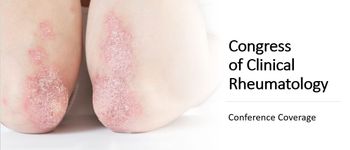
Congress of Clinical Rheumatology
The investigational JAK inhibitor filgotinib―which is under study as a treatment for a number of rheumatic diseases―has been shown to be safe and well tolerated in psoriatic arthritis patients.
Congress of Clinical Rheumatology
The investigational JAK inhibitor filgotinib―which is under study as a treatment for a number of rheumatic diseases―has been shown to be safe and well tolerated in psoriatic arthritis patients.

Filgotinib was well-tolerated and sustained efficacy in a 52-week extension study.

A post-hoc analysis of 3 randomized controlled trials reports on the associations between the IL-6 inhibitor and unacceptable or refractory pain.

Other measures, like home oxygen dependency, all-cause mortality, and hospitalization for respiratory failures rates, had no apparent association with RF and/or ACPA status

ASBMR
The osteoporosis treatment abaloparatide has been shown to increase bone mineral density of the lumbar spine, total hip and femoral neck bone in patients with osteoporosis who are at high risk for fracture, according to a study presented today at the American Society for Bone and Mineral Research annual meeting which is being held virtually through Tuesday.

There were no new safety signals and efficacy was sustained through 156 weeks.

According to a poster presented at CCR East 2020, patients <60 and ≥60 years old achieved minimal disease activity and cDAPSA low disease or remission.

Early initiation following fragility fractures helps manage osteoporosis.

Treatment approaches for the management of secondary HLH is problematic due to the heterogeneity of approaches and rarity of the condition.

This is the first time such an algorithm was validated in a large US claims database.

It is necessary to continue urate-lowering therapy in the inpatient setting to decrease the risk of gout flare in hospitalized patients.

Treat-to-target strategies can be effective in addressing rheumatic diseases like psoriatic arthritis, but may not be enough on their own to single-handedly improve quality of life for those living with the disease, write physicians in a new article in Arthritis and Rheumatology.

The list of drugs suspected to cause drug-induced lupus erythematosus now includes metoclopramide hydrochloride, levothyroxine sodium, metronidazole hydrochloride and fexofenadine hydrochloride, according to a study published online this month in JAMA Dermatology.

RA Quiz
Patients with rheumatoid arthritis are frequently encouraged to look at their lifestyle and make changes, such as exercising more frequently, following a balanced diet and maintaining a healthy weight. But what does a balanced diet actually mean? Test your knowledge of the impact of diet on rheumatoid arthritis with our diet quiz to be assured you know the answers to questions patients might ask.

Patients attempting to lose weight through dietary changes should be advised of the importance of maintaining their existing muscle mass and strength through exercise, so as not to increase their risk of fractures, Canadian researchers say.

Osteoporosis
Postmenopausal women may not need a repeat bone mineral density test after three years to determine risk of osteoporotic fracture, a study finds.
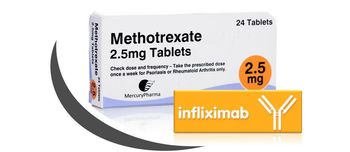
Combining methotrexate with TNF inhibitors may only be worthwhile for rheumatoid arthritis patients who are seropositive, the results of a small study suggest.

Continuous low-dose glucocorticoid regimens are better than tapering for controlling disease activity in rheumatoid arthritis over a six-month period, show the results of the first double blind clinical trial to evaluate an oral glucocorticoid dose-tapering regimen with stable biological background therapy in rheumatoid arthritis.
Joint Bone Health
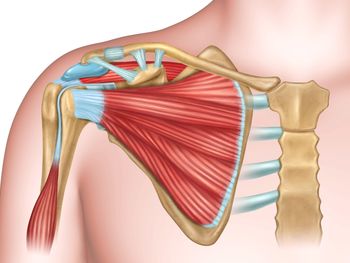
Shoulder replacement surgeries are more common in the United States as a treatment for end-stage degenerative conditions. Researchers writing in the current issue of The Lancet Rheumatology, find that most shoulder replacements last longer than 10 years.

Rheumatoid Arthritis
Vascular stiffness―which is often the precursor to a major cardiovascular event―appears to be present in early rheumatoid arthritis, shows a new study published in the Annals of the Rheumatic Diseases.

covid-19
Researchers in China write in the current issue of The Lancet Rheumatology that patients with autoimmune rheumatic disease might be more susceptible to COVID-19 infections than the general population.

COVID-19
A proportion of patients with COVID-19 are more prone to developing COVID-19-associated hyperinflammation regardless of age and comorbidity status, finds an observational study published on Friday in The Lancet Rheumatology.

Gout
A systematic review and meta-analysis recently published the Journal of Human Nutrition and Dietetics finds that consuming sugar-sweetened beverages is significantly associated with increased serum uric acid concentrations associated with gout flares.
COVID-19
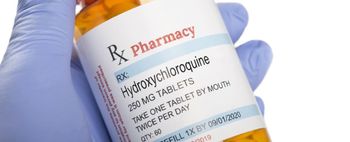
A retrospective study published in The Lancet Rheumatology shows that the long-term use of hydroxychloroquine to treat rheumatoid arthritis patients may increase the risk of cardiovascular mortality.
women's health
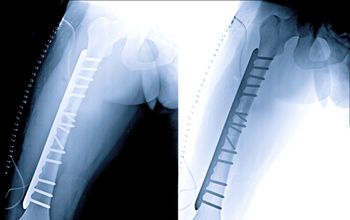
Atypical femur fracture risks are very low, but the risk rises with long-term use of bisphosphonate, study says.

Bone health
Mortality rates after a bone fracture can be as high as 45% in the first year of a break, and while bisphosphonates can lower the risk of recurring fractures, it doesn't appear to lower the risk of death.
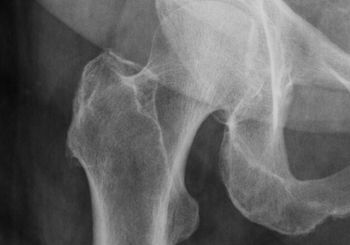
New analysis suggests use of FRAX score could improve the secondary prevention of fractures in patients with osteoporosis.

Data from the Women's Health Initiative Hormone Therapy trials presented at WCO-IOF-ESCEO 2020 details the reduced risk of fracture seen with hormone therapy in postmenopausal women.

An analysis of female adolescents admitted for anorexia nervosa found the condition could be linked to stunted growth.

Gilead expects topline results available from a pair of trials testing the new treatment in 2021.