

The use of cannabis was associated with more severe levels of pain, as well as more severe disease activity.
Kenny Walter is an editor with HCPLive. Prior to joining MJH Life Sciences in 2019, he worked as a digital reporter covering nanotechnology, life sciences, material science and more with R&D Magazine. He graduated with a degree in journalism from Temple University in 2008 and began his career as a local reporter for a chain of weekly newspapers based on the Jersey shore. When not working, he enjoys going to the beach and enjoying the shore in the summer and watching North Carolina Tar Heel basketball in the winter.
The use of cannabis was associated with more severe levels of pain, as well as more severe disease activity.
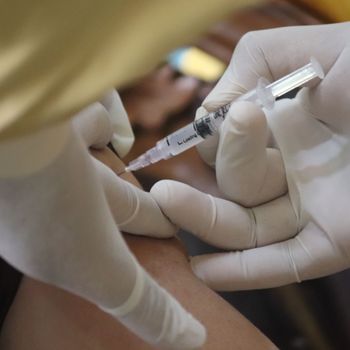
General practitioners and rheumatologists were viewed as sources of information that led to positive views toward vaccinations, while internet chatrooms, social media, and mainstream media were seen as sources of information that led to negative views.

Falloon said IBD-associated peripheral arthritis is common, but not well understood.

The time of flare was significantly shorter in the placebo group compared to the baricitinib.
For safety, the proportions of patients with serious treatment-emergent adverse events in the second treatment period were similar between the treatment groups.

The results show 88.1% of patients with rheumatoid arthritis in the study developed humoral immunogenicity.
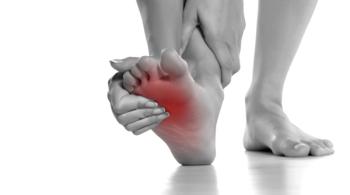
There was also a reduction in ultrasound features of gout at the knee identified, with improvement found in 63% of the tight control group and 14% of the conventional group.

There were no significant safety issues in the group of patients treated with secukinumab for more than 3 years.

Exposure to more than 100 mg was linked to significantly lower odds ratios for first-ever ACS event for women.

The results also show substantial medication substitution across prescription drug classes related to medical cannabis use.

The median time-to-remission was longer for women compared to men.

A significantly larger portion of patients in the telitacicept 160 mg achieved SR14 response compared to the placebo group.

Individuals who were socially isolated at time of fracture had significantly worse function, ability to participate in social roles, and depression time of fracture.

Anti-osteoporotic treatment resulted in increased BMD to a greater extent in patients treated with less than 5 mg per day of prednisone.

The results show improvements in RAPID3, pain, fatigue, and morning stiffness at weeks 8 and 12 among patients treated with upadacitinib.

Patients with ankylosing spondylitis generally had more favorable outcomes compared to those with psoriasis or psoriatic arthritis.

In data presented during ACR, investigators find peresolimab could be an effective treatment for adult patients with rheumatoid arthritis.

The FDA approved risankizumab in June for adult patients with Crohn’s disease, representing the first IL-23 treatment to be approved for this patient population.

Higher energy and longer symptom duration at diagnosis were protective factors against medication failure.

A high percentage of pediatric patients with JIA do not achieve inactive disease during the first 2 years following diagnosis.

Rituximab-arrx is similar in safety and efficacy to rituximab for patients with moderate to severe rheumatoid arthritis.
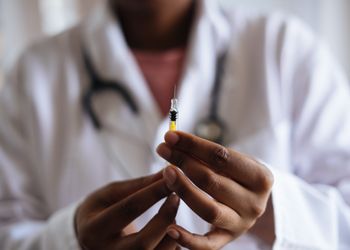
There was an adequate response for pediatric patients on biologics to the H1N1 and H3N2 serotypes.

Trauma patients and patients treated with combination ABX therapy were at an increased risk of C difficile infections.

Less than 5% of patients with IBD treated with azathioprine had white blood count, eGFR, ALT, and neutrophil abnormalities.

The rates of adverse events was similar across all 4 indications in comparison to the placebo group.

The risk was generally did not depend on whether the initial fracture was deemed traumatic or nontraumatic.

Mortality rates were similar in COVID-19 patients with and without chronic inflammatory diseases.

Trials testing hydroxychloroquine against COVID-19 have produced mixed results.

Improvements for pain did not sustain at the 12 month follow-up.

The drug is commonly used to treat diseases such as psoriatic arthritis, Behcet’s Syndrome, and plaque psoriasis.

January 19th 2021
August 19th 2020

November 12th 2022