
Physical therapy for knee osteoarthritis improves pain scores and physical function.

Physical therapy for knee osteoarthritis improves pain scores and physical function.

In this Q&A, Randy Q. Cron, M.D., Ph.D., a pediatric rheumatologist at the University of Alabama at Birmingham, discusses the role of rheumatologists in the diagnosis and treatment of patients with COVID-19, particularly those who are critically ill and experiencing a cytokine storm syndrome.

In response to the COVID-19 pandemic, the Global Rheumatology Alliance has been created to collect data on how the virus is affecting patients with rheumatic diseases or those who are taking immunosuppressive therapies. The alliance, which includes 300 rheumatologists, scientists and patients from throughout the world, has created a registry for physicians to report COVID-19 cases.

Can a patient with hidradenitis suppurativa develop rheumatoid arthritis? Apparently so, according to researchers writing in JAMA Dermatology this month.

COVID-19 is being treated with treatments designed for rheumatoid arthritis. They have their pros and cons. Learn more in this article.

Doses of secukinumab are clinically safe and beneficial for long-term treatment of psoriatic arthritis.

Shelter-in-place orders have led to a "horrifying surge in domestic violence," says the United Nations Secretary-General Antonio Guterres. The World Health Organization asks that healthcare workers be cognizant of the signs and symptoms of domestic violence in their patients. In today's "Awkward Conversations" column, Dr. Kim Gorgens and Margaret Port cover domestic violence among chronically ill patients.

A new study shows there is little to no clinical benefit in reducing TNFi treatment dosages for patients with axial spondyloarthritis (axSpA).

A comprehensive review of published studies on gut microbiota, immunity and arthritis suggests that having a microbial imbalance may precede the development of spondyloarthritides and osteoarthritis.

Investigators grapple with the viability of using chloroquine and hydroxychloroquine to stop the spread of COVID-19.

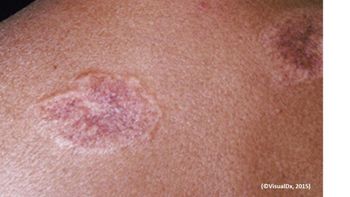
A 16-year-old African American girl reports sudden erythema covering her nose, cheeks, and upper back. Can you diagnose this patient?

The rheumatology community has expressed concerns about the use of hydroxychloroquine sulfate for COVID-19 because the drug is used to treat lupus patients and is already in short supply. The FDA has taken steps to redistribute the drug to hospitals for COVID-19 patients despite the lack of extensive clinical trials testing.

New treatment guidelines for osteoporosis from the Endocrine Society now include romosozumab for postmenopausal women with severe osteoporosis. Learn more in this report.

David Karp, MD, PhD, president-elect of ACR discusses what an appropriate hydroxychloroquine trial would look like, alternate treatment options, and how rheumatology experts should approach their patients during this time.

There is an increasing demand for a therapy that usually faces shortages. ACR provides suggestions for how to approach this and other issues related to hydroxychloroquine and COVID-19.

Gauging joint inflammation via a computer monitor isn't ideal as these are determinations are best done in person, but due to the COVID-19 pandemic, the American College of Rheumatology is encouraging rheumatologists to embrace the technology as physicians increasinly limit the number of in-office visits and as patiets with autoimmune rheumatic disorders increasinly self-isoloate.

Rheumatology patients are more susceptible to infections, making self-quarantining extremely important for this population.

Patients with systemic lupus erythematosus depend on hydroxychloroquine to control disease activity, but demand for this drug, which was already in short supply, has spiked since President Trump championed its use for COVID-19 patients. The American College of Rheumatology has responded by issuing a series of recommendations. Learn more in this article.

Geeta Nayyar, MD, MBA, discusses how hydroxychloroquine and chloroquine affect patients with arthritis and how it differs for those with coronavirus.

The American College of Rheumatology recommends treating rheumatoid arthritis early in order to increase the chances of achieving and sustaining remission. Take our clinical quiz to learn more.

Colchicine, a first-line treatment option for acute gout, is associated with an increased risk of adverse events, such as diarrhea and other gastrointestinal symptoms, but not serious adverse events, finds a newly published systematic review and meta-analysis.

The device may allow for more natural motion and increased wrist durability over traditional implants.

The use of abatacept did not lead to significant improvements in the disease status of patients with primary Sjögren's syndrome and in fact, it was essentially no better than placebo treatment, shows the first randomized, double-blind trial on abatacept for Sjögren’s.

Despite the publication of previous clinical trials that showed plasma exchange could possibly be a viable treatment for patients with severe ANCA-associated vasculitis, a new study recently published in the New England Journal of Medicine shows the treatment, in combination with standard therapy, didn't improve outcomes for patients or lower fatality rates or slow the progression to end-stage kidney disease.

On Tuesday, the World Health Organization announced it is recommending that people with COVID-19 symptoms avoid taking the anti-inflammatory drug ibuprofen. U.S. officials and physicians responded with skepticism and today, WHO reversed its decision.

Dr. Philip Robinson, a rheumatologist in Brisbane, Australia, is in the process of creating an international registry that will include information about COVID-19 specifically for patients with rheumatic disease, in particular, those receiving immunosuppressive therapies.

A study compares the risks associated with an anterior surgical approach to a lateral or posterior approach.

A new study published in the February 5 issue of Annals of the Rheumatic Diseases finds that allopurinol and febuxostat are associated with about the same risk of hypersensitivity reactions, as compared to gout patients treated with colchicine. The risk is even higher for women and diabetes patients, the authors wrote.

Sarilumab is typically used for patients with rheumatoid arthritis but could be useful for patients with novel coronavirus.

March is Women's History Month and in today's issue of the column Awkward Conversations, Dr. Kim Gorgens and Sophia Barnes focus on challenges women in science face. They also offer some key resources you may want on your radar.