

























































Jianmin Fang, PhD, CEO and founder of Remegen Ltd., discusses the results of a phase 2b trial exmaining the use of telitacicept for the treatment of SLE.
Jianmin Fang, PhD, CEO and founder of Remegen Ltd., discusses the results of a phase 2b trial exmaining the use of telitacicept for the treatment of SLE.

ACR Annual Meeting: In patients with moderate to severe systemic lupus erythematosus, anifrolumab (AstraZeneca) was superior to placebo for overall disease activity, skin disease and oral corticosteroid tapering, among other efficacy endpoints, according to a study presented at the annual meeting of the American College of Rheumatology in Atlanta on November 12.

ACR Annual Meeting: At the American College of Rheumatology annual meeting in Atlanta today, Dr. Konstantinos Tselios of the University of Toronto addresses the challenges associated with developing new treatments for systemic lupus.

Patients with lupus were at an increased risk of 30-day all-cause mortality following coronary revascularization when compared to patients with diabetes mellitus and the general population.

Low-dose IL-2 might be effective and tolerated in the treatment of systemic lupus erythematosus (SLE), say researchers writing in Annals of the Rheumatic Disease this month.
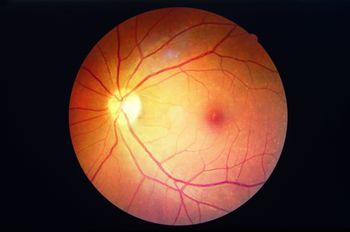
Hydroxychloroquine retinopathy is more common than previously thought, shows a study published in Arthritis and Rheumatology. Higher dosages and long duration of use is associated with a higher risk of vision loss.

While significant advances have been made in the treatment of systemic lupus erythematosus (SLE), the highly variable manifestations of the disease make treatment difficult.

Availability of new dosages for hydroxychloroquine-a first-line therapy for systemic lupus-may be best for patients, shows a survey conducted by the Lupus Foundation of America.

A review in the journal Lupus examines treatments for primary and secondary thromboprophylaxis in patients with anti-phospholipid autoantibodies (aPL) and a history of thrombosis, which can affect more than 50 percent of people with systemic lupus erythematosus.

In a review that examines the use of conventional and orphan autoantibodies as biomarkers for diagnosing systemic lupus erythematosus (SLE), researchers say the science is advancing rapidly with the goal of diagnosing lupus earlier than currently done.

Sjögren’s syndrome secondary to systemic lupus erythematosus (SLE) rises in frequency with age, affects around one-quarter of all people with systemic lupus, and, despite less internal organ involvement than in systemic lupus without Sjögren’s syndrome, is marked by a systemic inflammatory state with high levels of pro-inflammatory cytokines, say researchers writing in The Journal of Rheumatology this month.
The incidence of retinopathy among systemic lupus erythematosus (SLE) patents treated with hydroxychloroquine increased with longer treatment duration, but could be predicted by monitoring blood levels of the drug, say researchers writing in Arthritis & Rheumatology this month.

In a small pilot study, investigators find medication non-adherence leads to more hospitalization of SLE patients.

In new data presented at CCR West, investigators link smoking and ethnicity with organ damage of SLE patients.

Low-dose interleukin-2 (IL-2) was found to be safe and well tolerated in a phase 1 and 2a trial of 12 patients with systemic lupus erythematosus (SLE). The treatment may be beneficial in reducing disease activity, researchers report in Sept. 1 issue of The Lancet Rheumatology.

A new study published in the journal Arthritis & Rheumatology finds there may be a genetic explanation for the development of systemic lupus erythematosus (SLE) in African American women.
Anifrolumab, a potential new for lupus, just successfully completed a phase three clinical trial in which patients demonstrated reduced disease activity by significant margins, according to a statement issued by the drug’s maker AstraZeneca.

Pregnant women with systemic lupus erythematosus often discontinue their lupus medications during pregnancy despite recommendations to continue them.

Plasma microbial translocation may play a role in the development of autoantibodies in systemic lupus erythematosus, researchers find. The discovery may lead to new treatments in lupus.

Over the past 20 years, while the demographics of systemic lupus erythematosus (SLE) hospitalizations have not noticeably changed, the comorbidities that lead to hospitalizations and poor outcomes in SLE have changed.
A 20-year analysis of hospitalizations due to compliations from systemic lupus erythematosus, shows new patterns in hospitalization rates, disease complications and mortality. In this slideshow, we highlight the findings.

Steriod-related damage builds over time for patients with childhood-onset lupus leading to cataracts, avascular necrosis, diabetes and osteoporotic fractures. Learn more in this slideshow.

New results for baricitinib and ustekinumab use in patients with systemic lupus erythematosus (SLE) were presented in April at the International Congress on Systemic Lupus Erythematosus (LUPUS 2019), which was held in San Francisco. Here, we summarize those results, plus much more from the meeting.

The prevalence of systemic lupus erythematosus (SLE) is higher among black patients. They can present with a worsened disease state and mortality rates can be higher. This suggests a need for better therapeutic options, says Jim C. Oates, M.D., of Medical University of South Carolina. In this Q&A, Dr. Oates addresses treatment challenges black patients face.

Fatigue in patients with systemic lupus erythematosus (SLE) has been linked to anti-NR2 antibodies, which responds to treatment with belimumab, a study shows.