


























































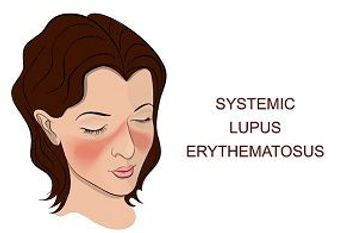
A Phase II trial of a new monoclonal antibody drug shows promise for a potential new treatment for lupus.

A Phase II trial of a new monoclonal antibody drug shows promise for a potential new treatment for lupus.

A consensus definition of a lupus low disease activity state appears to predict improved outcomes among patients with systemic lupus erythematosus.

A new study in Nutrition Journal shows that patients suffering from systemic lupus erythematosus (SLE) demonstrated significant improvement by taking fish oil supplements.

Social stressors, such as being treated poorly in a doctor’s office, can lead to negative disease outcomes, particularly among black women with lupus, a new study shows.

Hand deformities seen in Jaccoud's arthropathy are the result of soft-tissue abnormalities, not the destruction of bone joints seen in rheumatoid arthritis.

New guidelines issued at EULAR 2015 outline ways to reduce risks of complications for pregnant women with SLE and antiphospholipid syndrome. Details here.

Not all cases with rheumatic disease turn up in the rheumatology literature, of course. Test your diagnostic skills on these four puzzlers from other journals. (We present brief descriptions only, with hyperlinks to the original reports.)
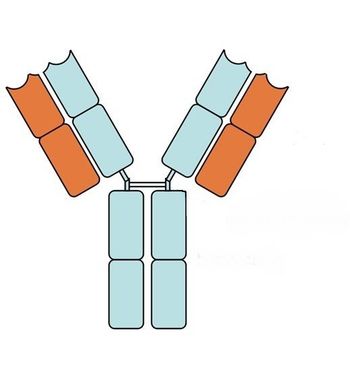
IgG4 levels were low in this study for only systemic sclerosis and Sjögren's. But other patterns suggested aberrant immune regulation.
For patients diagnosed with systemic lupus erythematosus (SLE) finding relief for their symptoms can make a large difference in their quality of life.
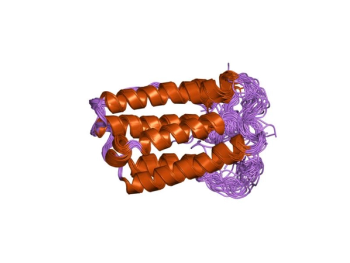
(ACR2014) Another Rheumatology Network Editorial Board member weighs in: Christopher Collins MD saw reason for great encouragement in a report about an interferon-α blocker for systemic lupus erythematosus.

(ACR2014) A team from Rush University says their new 10-point instrument developed should be useful to track lupus disease status for trials and in the clinic.

(ACR2014) Early comparisons of patients with rheumatic disease who use marijuana with those who don't show that the practice is not associated with better pain relief. But it is associated with some "sobering" consequences.
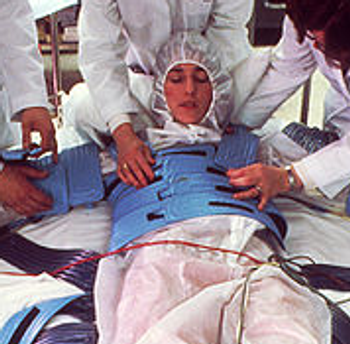
Doctors treating a patient for a lupus flare presenting as a fever were puzzled when her body temperature suddenly plunged. After solving the problem, they learned that it is rare but not unique -- and may be somewhat predictable.
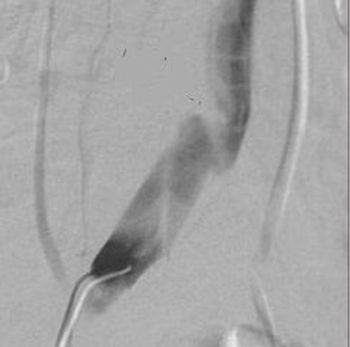
This 14-year-old girl not only has lupus; she has also been diagnosed with arthritis, a vasculitic rash, and myositis. Can you guess what's actually going on here?

Nausea and vomiting are the first symptoms of lupus in these three case studies. The consequences of misdiagnosis can be life-threatening.

Already discontinued for rheumatoid arthritis, the candidate drug tabalumab will no longer be tested for lupus either. Observers are taking a positive view of the situation.
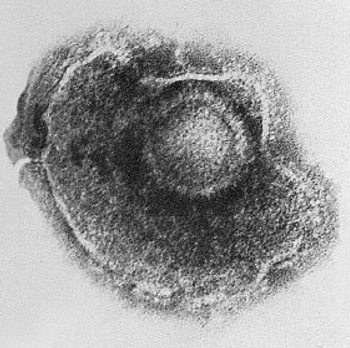
People who have rheumatoid or psoriatic arthritis or lupus are at increased risk for shingles. Studies suggest that treatment for the rheumatic condition may be a factor in certain circumstances.
Confirming the high pneumonia risk in lupus patients, researchers in Spain have found that it may precede the onset of the immune disorder. Their biological studies suggest that a particular underlying immune abnormality may explain both.
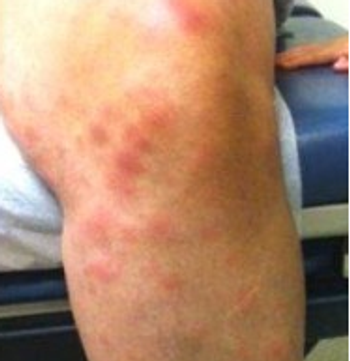
The patient is plagued by problems: Severe headaches, nausea, vomiting, a rash, chest and abdominal pains, and by the time she reaches a rheumatologist, periorbital edema and photophobia. Can you guess the cause?
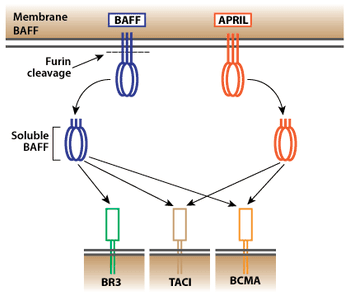
Last year's approval of belimumab (Benlysta) revolutionized lupus treatment. How safe and effective is it, actually? Do similar inhibitors of the B-cell activating factor BAFF, now in testing, appear even more promising? Here are the basics from an expert on the subject.
Researchers found a more than tripled risk of ASDs and VSDs in children born to SLE mothers in a study reported at the recent annual meeting of the American College of Rheumatology.
ACR2013: Joints erode in systemic lupus erythematosus and primary Sjӧgren’s Syndrome. But French researchers say their MRI studies don't justify classing them as erosive disorders like rheumatoid arthritis.
ACR2013: Retrospective analysis of more than 10,000 pregnancies documents increased risks for hypertension, preeclampsia, preterm delivery and stillbirths among women with SLE.
ACR 2013: Stymied by high response rates in the "usual care" comparison arm of new-drug trials, lupus researchers are testing a bold idea: Carefully withdraw treatment from the control group.
ACR2013: As well as neonatal lupus and heart block, new research suggests that children born to women with lupus may face higher risks for autism and attention deficit hyperactivity disorder.