




Systemic Lupus Erythematosus
Latest News
Advertisement
Latest Videos



CME Content






















































Advertisement
More News

A-319 has been well-tolerated so far and dose-escalation is ongoing in the phase 1 trial.
A new cohort study including over 6 million participants has found an increased likelihood of Behçet disease, alocpecia, bulbous pemphigoid and other disorders post-COVID infection.
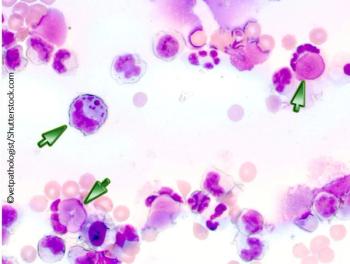
Four of 5 participants with follow-up reaching 3 months have achieved SRI-4 disease responses.

A study found that high ultraprocessed food consumption increases the risk of SLE by 56%, with an even higher risk for anti-dsDNA positive SLE at 105%.

The therapy demonstrated superior efficacy in combination with SOC over SOC alone.
Those with limited health literacy had higher disease activity and more SLE damage.

The study highlighted the potential role of shared decision-making in building trust in physicians among patients with SLE.

Results from a Mendelian randomization analysis indicate type 1 diabetes significantly increases the likelihood of autoimmune conditions like rheumatoid arthritis and multiple sclerosis.

A recent study provides some evidence of the ability to potentially reduce belimumab dose in a subset of patients with SLE.
Most (94%) anti-nucleocapsid positivity was linked to a self-reported COVID-19 infection within the prior 3 months.
Mohamed Cherry, MD, and Neil Kramer, MD, shed light on a phase 1 trial using CAR-T cell therapy for SLE and its potential implications for lupus treatment.

An analysis of data from more than 5 million people suggests rheumatic and immune-mediated diseases were associated with increased rates of childlessness and elevated risk of adverse pregnancy outcomes.
A groundbreaking phase 1 study using CAR-T cells to treat severe lupus highlights a collaborative effort between the Cellular Therapy Program and rheumatology programs to pioneer innovative patient care.

The Xist ribonucleoprotein (RNP) complex, linked to the XX sex chromosome complement, influences the susceptibility to autoimmunity.
The percentage of lymphocyte apoptosis in peripheral blood was significantly higher in patients with jSLE when compared with healthy controls.

A retrospective cohort analysis suggests the monoclonal antibody may help patients with SLE reduce their reliance on oral corticosteroids over 1 year after initiating treatment.

Stacie Bell, PhD, discusses the disagreement between adolescents and parents regarding how lupus impacts daily life.
Data from the phase 3 TULIP long-term extension trial support the favorable benefit-risk profile of anifrolumab-fnia demonstrated in previous trials.

In this research presented at ACR 2023, a connection between antiphospholipid antibodies and a greater potential risk of cardiovascular disease was identified.
Stacie Bell, PhD: Lupus Therapeutics and AbbVie to Join Forces for Promising Lupus Treatment Program
Stacie Bell, PhD, discusses the partnership between Lupus Therapeutics and AbbVie for the phase 3 clinical program of upadacitinib in patients with SLE, emphasizing the importance of collaboration and their role in accelerating the study process, recruitment, and the potential for meaningful advancements in lupus treatment.

A lower proportion of patients in the belimumab treatment group experienced ≥1 kidney flare compared with placebo in the overall population.

Carola Vinuesa, MD, PhD, recipient of the Lupus Research Alliance Lupus Insight Prize, discovered a mutation in a specific human gene that causes systemic lupus erythematosus.

Patients with SLE who reported being more satisfied in their lives were more likely to have higher physical and mental component summary scores.

The risk of ischemia heart disease was significantly higher in the SLE cohort when compared with controls, with risks peaking between the 6th and 9th year post-diagnosis.
An analysis of data from the APPLE study provides insight into the heterogeneity that exists within pediatric systemic lupus erythematosus patients.
Advertisement
Advertisement