





Systemic Lupus Erythematosus
Latest News
Advertisement
Latest Videos





CME Content






















































Advertisement
More News

Take 5 minutes to catch up on Rheumatology Network's highlights from the week ending March 26, 2021.
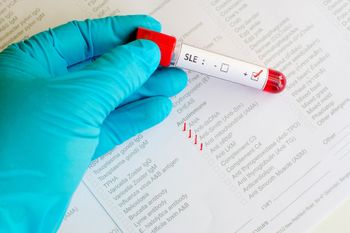
Iberdomide, a high-affinity cereblon modulator, works by affecting leukocyte development and autoimmunity.

New data support the continued assessment of the investigative drug for adults with SLE.
The rationale for using a newer monoclonal antibody therapy, anifrolumab, to manage patients with systemic lupus erythematosus.
Indications for belimumab, a monoclonal antibody, as therapy for patients with systemic lupus erythematosus.
Take 5 minutes to catch up on Rheumatology Network's highlights from the week ending March 12, 2021.

More than 50% of patients with classified SLE at Washington University’s Lupus Clinic exhibit clinically meaningful and persistent depression and anxiety symptoms over time.
Take 5 minutes to catch up on Rheumatology Network's highlights from the week ending March 5, 2021.

"For many years we lacked access to novel therapeutics in SLE and our outcomes frequently reflected this," stated Jack Arnold, MBBS, MRCP. "However, with new targeted therapies, we appear to be entering a new era where treatment decisions will require more nuanced thought."
Take 5 minutes to catch up on Rheumatology Network's highlights from the week ending February 18, 2021.

Roy Fleishmann, MD, discusses his Rheumatology Winter Clinical Symposium presentation, “SLE Update: Novel treatments, and how we assess them.”
Chengappa Kavadichanda, MD, discusses his study, “Short term outcomes of COVID-19 in lupus: Propensity score matched analysis from a nationwide multi-centric research network.”

Meningitis is the most frequent clinical syndrome in SLE patients with CNS infections. C. neoformans, M. tuberculosis and L. monocytogenes are the most common causative pathogens.
Stephen Balevic, MD, explains hydroxychloroquine PK and exposure-response in pregnancies with lupus and the importance of adhering to treatment both during pregnancy and postpartum.

The use of antimalarials was associated with a lower prevalence of congestive heart failure in a large Spanish cohort of patients with SLE.

“Pregnancies in women with SLE are often complicated,” investigators stated. “Accordingly, it is crucial to optimize drug therapy to promote disease control and improve outcomes.”

Patients with systemic lupus erythematosus who were younger in age or were serologically active yet clinically quiescent were more likely to have disease flare during glucocorticoid cessation.

Results showed equivalent effectiveness in disease control between the novel drug, sirolimus, and the classic immunosuppressant, tacrolimus, for the treatment of systemic lupus erythematosus.
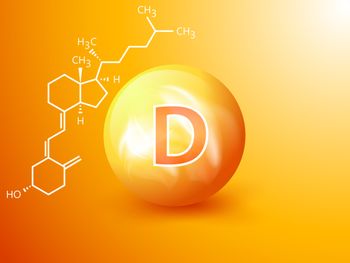
Vitamin D has been shown to improve both disease activity and fatigue in patients with systemic lupus erythematosus.

Smoking increased the risk of developing malar rash and mucosal ulcers as well as increasing the likelihood of experiencing migraine, Raynaud’s phenomenon, and arthritis symptoms.

Women with systemic lupus erythematosus are more likely to have accelerated progression of atherosclerosis. Recognizing the risk factors, such as larger waist circumference and higher fasting glucose levels, may be an important step in preventing this condition.

Investigators theorized that this questionnaire, in conjunction with autoantibody determination, could help screen for SLE in the early stages of the disease.
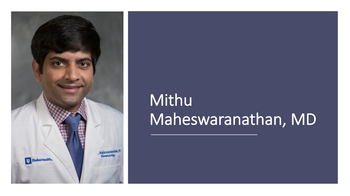
Mithu Maheswaranathan, MD, discusses the association of health literacy in terms of both clinical and self-reported outcomes for patients with systemic lupus erythematosus.

Closing out their discussion, experts highlight practical advice for caring for patients with SARDs in the current treatment landscape.

Interventions for patients with systemic lupus erythematosus (SLE) need to address physician/patient communication to improve health outcomes, according to Dr. Maheswaranathan.
Advertisement
Advertisement