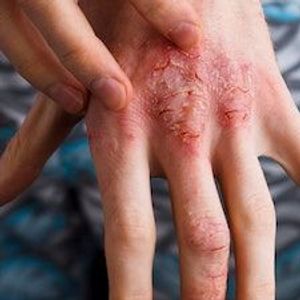

The approval adds brepocitinib (Lisraya), an oral JAK/TYK2 inhibitor, as the first agent specifically studied and approved for dermatomyositis in adults.
Tim Smith joined the MJH Life Sciences team in 2022 and is currently an associate editor for HCPLive. He is also the executive producer of two podcasts: Skin of Color Savvy and The Medical Sisterhood. He graduated from UC Berkeley and worked in multimedia journalism as a staff writer prior to joining MJH. You can contact him at tsmith@mjhlifesciences.com.
The approval adds brepocitinib (Lisraya), an oral JAK/TYK2 inhibitor, as the first agent specifically studied and approved for dermatomyositis in adults.

Baseline structural damage accounted for most of the variance in placebo-arm radiographic progression across 6 PsA trials.

In this feature, 3 experts discuss the management of 2 overlapping conditions: psoriasis and psoriatic arthritis.

The APEX study presents the results of 2 dosing regimens of guselkumab (Q4W and Q8W) in biologic-naïve patients with psoriatic arthritis (PsA).

This session at the DERM 2025 conference highlights several clinical pearls in dermatology and was presented by rheumatologist Karim Ladak, MD.

This study compared a combined pain neuroscience education and resistance training program with a different training program in women with fibromyalgia.

These data suggest promise for dietary interventions and anti-obesity therapies such as incretin-based weight loss medicines for those with psoriatic arthritis (PsA).

These preliminary findings on psilocybin-assisted therapy (PAT) for patients with fibromyalgia point to its potential, though additional large-scale research is needed.

Regulatory approval of inebilizumab for immunoglobulin G4-related disease (IgG4-RD) marks the first and only available treatment for adults.

This post-hoc analysis demonstrated an association between work productivity and stringent disease control criteria for those with psoriatic arthritis.

These data, presented at ACR 2024, demonstrate that response was maintained at 2 years among those with psoriatic arthritis who responded to bimekizumab at Week 16.

This interview at the Fall 2024 Maui Derm conference features Melodie Young, with a discussion about updates in psoriasis and psoriatic arthritis therapy for children.

This feature highlights the views of 3 experts on the integration of patient-reported outcomes into the management of psoriatic disease.
The repository corticotropin injection is designed to help patients manage their medication alongside a range of chronic and acute autoimmune and inflammatory conditions.

These findings, presented at RAD 2024, highlight risk of atopic dermatitis patients for developing various cancers as well as major adverse cardiovascular events.
These data highlight the role of the National Health Service, though the relationship between socio-economic background and health outcomes remains complex.

These data may allow for improved identification of individuals with gout who may be likely to require escalation of their febuxostat dose to reach the serum urate target.

This analysis may require further research to determine whether other treatment-resistant depression or severe depression definitions are specifically associated with inflammatory joint disease.

This post-hoc analysis of phase 3 data, using GRAPPA-recognized PsA domains, highlighted disease improvements following treatment with guselkumab.

Despite these conclusions, this meta-analysis also showed that those receiving PDE4 inhibitors were the least likely to report adverse events.

These data highlight the changes observed in cytokine levels among both PsA treatment responders and non-responders.

These data suggest risankizumab was both safe and efficacious through 100 weeks for PsA patients, with no new safety signals.

These data from the DISCOVER-2 study highlight improvements in patient-reported outcomes for patients who are biologic-naïve and have PsA.

This analysis indicates that a combined, 22-week Mediterranean and ketogenic diet for patients with psoriatic disease led to beneficial results.

These data highlight the potential window of opportunity for PsA patients’ diagnoses and any patient characteristics of those with longer diagnostic delays.
The findings in this research letter allow for greater understanding of residual joint pain modulators, with the overall goal being to improve health outcomes for those with PsA.
These data on patients with psoriatic arthritis point to risk levels for new adalimumab users as well as users of ustekinumab and etanercept.
This announcement by UCB follows the results of four phase 3 studies on the use of bimekizumab for PsA, ankylosing spondylitis, and non-radiographic axial spondyloarthritis.

These data contribute to existing research into links observed between rheumatic diseases such as gout and cardiovascular disease among Indigenous North American populations.
The findings of this post-hoc analysis suggest a need for follow-up studies assessing and comparing JAK inhibition impact on the development of enthesitis.