

A new study finds atorvastatin does not have significant effect versus placebo on treating symptomatic knee osteoarthritis, including cartilage loss.
A new study finds atorvastatin does not have significant effect versus placebo on treating symptomatic knee osteoarthritis, including cartilage loss.

Patients with psoriatic arthritis (PsA) treated with guselkumab resulted in higher percentages of resolved enthesitis by Week 24 and maintained those results through 1 year when compared with a placebo.
While incidence rates remained stable throughout the study period, incidence rates in females increased 3% per year between 2000 and 2017. The increase was seen primarily in women 40-49 and 50-59.

A study finds low risk of malignancy from secukinumab treatment for psoriasis, psoriatic arthritis and ankylosing spondylitis patients, despite limited data.
In this systematic review and meta-analysis, investigators aimed to evaluate the clinical safety of total glucosides of paeony (TGP) adjuvant therapy in the treatment of rheumatoid arthritis (RA).

A recent study finds increasing number of women with PsA, but an overall stable incidence of disease compared to previous studies in same population.

Study participants who received combined video and booklet education were more effective in changing self-care behaviors. The education tools additionally provided greater advantages for Spanish-speaking and less-educated patients.

A new study finds educational video and booklets result in increased levels of patient knowledge in managing knee osteoarthritis, particularly among Spanish-speaking and less educated patients.

Patients with psoriasis who either remained on Humira or switched to a biosimilar showed similar retention rates and efficacy/safety data.
Many patients with rheumatoid arthritis (RA) also have diabetes mellitus, which can have an impact on their RA disease and its treatment. Test your knowledge of diabetes in RA with this quiz.

A case-controlled study of 60 patients in the United Kingdom found presence neuropathy contributes to fracture risk in patients with type 1 diabetes but found other factors play a role in the increased risk among these patients.

Take 5 minutes to catch up on Rheumatology Network's highlights from the week ending April 2, 2021.
COVID-19 has created new challenges and opportunities in the way that rheumatologists care for chronically ill patients, including the introduction and prevalence of telemedicine and digital health applications (DHAs).

Mortality rates were similar in COVID-19 patients with and without chronic inflammatory diseases.
While some patients with systemic lupus erythematosus (SLE) find it beneficial to receive anti-inflammatory therapy to treat their fatigue, there is increasingly more evidence that chronic diseases increase risk of psychiatric disorders, such as anxiety and depression, which need to be treated differently.
Recently, a link between venous thromboembolism (VTE) and Janus Kinase (JAK) inhibitors has emerged, causing the FDA to recommend a black box label for tofacitinib in 2019. New research, however, suggests that tofacitinib had similarly infrequent cases of VTE (<1 per 100) when compared with tumor necrosis factor inhibitors (TNFIs).
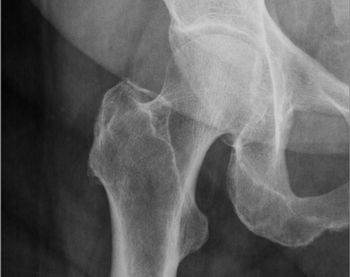
Despite lower length of stays, costs of hip fracture surgeries have been on the rise in recent years and a new study suggests it could be linked to increased hospital charges rather than increased surgeon charges.
Investigators identified both facilitators and barriers for trial participation in patients at risk for rheumatoid arthritis (RA) in order to enhance inclusion in trials designed to prevent RA.

The difficult-to-treat disease has a multitude of symptoms to address with a wide spectrum of agents.

A meta-analysis notes that relative risk for stroke was high for rheumatoid arthritis, ankylosing spondylitis, psoriatic arthritis, and gout.
This week, Rheumatology Network interviewed Michael C. Schweitz, MD, to discuss the recent press release published by CreakyJoints that announced their partnership with the John Whelton Arthur Virshup CreakyJoints South Florida Arthritis Clinic.

Patients with inflammatory rheumatic diseases (IRD) may be more likely to acquire severe pneumonia due to COVID-19, especially in patients with autoimmune disease who are being treated with rituximab.
Currently, diagnosing a patient with systemic lupus erythematosus (SLE) is a complex process that compares potential lupus with other conditions. It can be challenging and delayed by a period of time, which increases patient uncertainty, referrals, healthcare utilization, increased flares, and organ dysfunction. In this study, machine learning (ML) via artificial intelligence tools based on patient data was used to develop an algorithm to help with SLE diagnosis.

Switching from 60 mg to 30 mg denosumab every 6 months could be an option for patients who have completed long-term denosumab therapy, according to the results of a new study from McMaster University.
Most women experience a decrease in the severity of their rheumatoid arthritis (RA) symptoms during pregnancy, but some may need ongoing treatment. Test your knowledge of the treatment of RA during pregnancy.
During the study, which ran from December 2016 through May 2018, 301 flares were treated: 214 with anakinra and 87 with triamcinolone. Both treatment options reduced pain intensity for both first and subsequent flares.
Take 5 minutes to catch up on Rheumatology Network's highlights from the week ending March 19, 2021.

A Mass General-led analysis of claims data indicates less than 1-in-10 patients who suffer a hip fracture were prescribed an osteoporosis treatment in the next 6 months, while also providing data on trends in prescribing practices of newer agents.
Guselkumab is the first and only approved IL-23 inhibitor therapy used to treat adults with active PsA and moderate to severe plaque psoriasis (PsO). The medication showed efficacy in skin clearance and joint symptom relief and passed safety measures. Additionally, physical function, health-related quality of life, and resolution of enthesitis and dactylitis were confirmed through week 100.
The diagnosis of psoriatic arthritis (PsA) may be delayed by more than 2 years in half of patients, especially those of younger age at symptom onset, or with a higher body mass index (BMI) or enthesitis before diagnosis.