

Take 5 minutes to catch up on Rheumatology Network's highlights from the week ending June 4, 2021.
Take 5 minutes to catch up on Rheumatology Network's highlights from the week ending June 4, 2021.

Data show 89 of 602 patients with rheumatoid arthritis had renal damage, with patients predominantly female and older age.
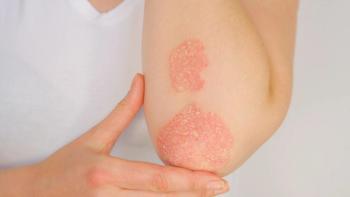
Data from the COSMOS study showed that 44.4% of patients who received guselkumab versus 19.8% of patients who received placebo achieved a ≥20% improvement at week 24.

People with rheumatoid arthritis (RA) should be encouraged to participate in regular physical activity but what types of physical activity are recommended? Test your knowledge of the recommendations in this quiz.
Healthy movement plays a critical role in the treatment of rheumatic disease because it can strengthen the muscles around the effected joints, aid in bone loss decrease, and improve joint lubrication which helps to decrease stiffness and improve pain.
Take 5 minutes to catch up on Rheumatology Network's highlights from the week ending May 28, 2021.

Catch up on Rheumatology Network's most recent highlights in psoriatic arthritis news.
Rheumatology Networked interviewed Elena Nikiphorou, MBBS/BSc, MD (Res), to discuss her recent study that suggests self-management and resources for patients with inflammatory arthritis improve patient experience of care and outcomes by empowering and supporting them.
For patients with psoriatic arthritis (PsA), multidomain disease was associated with worse measures of disease activity, quality of life, and work productivity.
Rheumatology Network interviewed Puja Khanna, MD, MPH, Associate Professor of Medicine from the University of Michigan, about her study that evaluated how patients with poorly controlled gout fared when they were treated with pegloticase and mycophenolate mofetil combination therapy.
Results from a joint-specific scoring system with reference atlas and ultrasonographic image acquisition in patients with juvenile idiopathic arthritis demonstrated moderate to excellent reliability for scoring of synovitis.
Rheumatology Network interviewed Nicholas Brisson, PhD, to discuss his recent study, “Association of machine learning based predictions of medial knee contact force with cartilage loss over 2.5 years in knee osteoarthritis." The study discovered that machine learning was able to develop an equation for predicting medial tibiofemoral contact force (MCF) peak, which supports the theory that mechanical loading directly contributes to disease progression.
Take 5 minutes to catch up on Rheumatology Network's highlights from the week ending May 21, 2021.

An observational study indicated that the majority of women with rheumatoid arthritis (RA) who were of childbearing age were not currently using contraception and were not counseled on contraception practices by their physician.
Patients with gout maintained therapeutic response at 6 months when treated with a combination of methotrexate (MTX) and pegloticase, as opposed to pegloticase therapy alone.
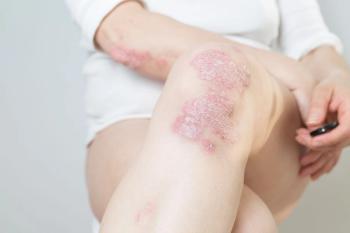
Investigators utilized study data to further investigate the concept of patient-defined remission and identify which factors were associated with patient-defined remission or low disease activity.

A combination of adalimumab (ADA) treatment and patient support programs (PSPs) may reduce opioid use and increase medication adherence.
While COVID-19 vaccinations have been prominently featured in the news, other vaccinations are also important. How much do you know about use of general vaccinations for for patients with rheumatoid arthritis?
Take 5 minutes to catch up on Rheumatology Network's highlights from the week ending May 14, 2021.
Patients with psoriatic arthritis and minimal disease activity who continued ixekizumab therapy fared significantly better than those who stopped using the drug, including fewer relapses related to disease activity.

Recent analysis indicated that a rheumatoid arthritis (RA) diagnosis pervaded every facet of a patient’s perception of physical activity (PA), both as motivators and as hinderances. These results may be helpful in ultimately creating a PA strategy that can support each individual and improve clinical practice.

As systemic lupus erythematosus (SLE) and/or antiphospholipid syndrome (APS) can cause complications during pregnancy, investigators believe it is imperative that women follow the clinical practice guidelines and receive multidisciplinary counseling before trying to conceive.
Caregivers are a rheumatologist's most important allies. Learn the warning signs of caregiver burnout and how to combat the symptoms. Remember: their health is prerequisite to patient care.
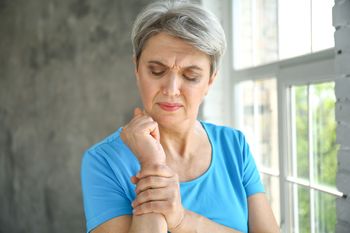
Analysis indicates women with thinning or weakened bones were at an increased risk of atherosclerotic cardiovascular disease events.

The therapy was generally well-tolerated and offered substantial pain relief in patients.
Bryant England, MD, PhD, discusses his study, "Risk of COVID‐19 in Rheumatoid Arthritis: A National Veterans Affairs Matched Cohort Study in At‐Risk Individuals." Investigators found that patients with rheumatoid arthritis (RA) are not only at a higher risk for contracting COVID-19, they are more likely to have severe outcomes, such as hospitalization and death, when compared with the general population.
A recent study explores the correlation between work obligations and anxiety in patients with inflammatory rheumatic diseases during the second wave of the COVID-19 pandemic. Poor quality of life due to self-isolation has been reported in this patient population.
"Our results suggest that there are likely to be certain treatments that will confer preferential response in psoriatic arthritis (PsA), including tumor necrosis factor (TNF) inhibitors and IL-17 medications, compared to other options," stated Jeffrey Curtis, MD.

New data show NSAIDs treatment not associated with worse in-hospital mortality rates compared to patients not treated with NSAIDs.
Take 5 minutes to catch up on Rheumatology Network's highlights from the week ending May 7, 2021.