
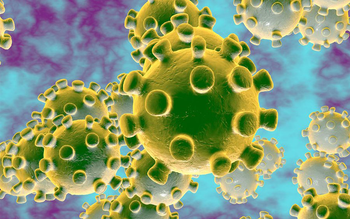
“The COVID-19 pandemic has strongly impacted the lives of patients living with rheumatoid arthritis which has contributed to anxiety, depression, and reduced well-being.”
“The COVID-19 pandemic has strongly impacted the lives of patients living with rheumatoid arthritis which has contributed to anxiety, depression, and reduced well-being.”

Take 5 minutes to catch up on Rheumatology Network's highlights from the week ending September 10, 2021.

“There is likely to be a bidirectional relationship between sleep and gout, as gout flares may be influenced by circadian rhythms, and sleep quality is likely to be influenced by gout flares,” investigators explained. “Given the morbidity associated with sleep problems, we should be vigilant regarding sleep health in our patients with gout.”

Investigators analyze the differences between SARS-CoV-2 testing and risk of infection.

Catch up on Rheumatology Network's most recent highlights in COVID-19 news.

Disease activity, safety, and the occurrence of adverse events were similar in patients with juvenile idiopathic arthritis receiving either etanercept or the biosimilars Benepali and Erelzi.

Despite the benefits of physical activity, participation is low, both within the general population and among individuals with osteoarthritis (OA). Activity monitors may aid in increasing these levels in patients with OA as well as in those requiring a total knee replacement.
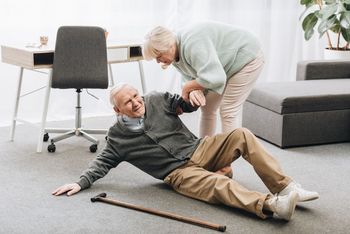
Most patients share a fear of falling or psychological distress that can exacerbate physical limitations. In fact, more than half of RA patients report significant fear of falling.
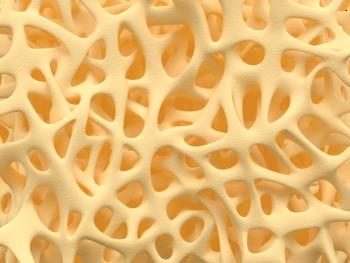
The organization's first update since their 2010 position statement, the osteoporosis position statement reflects more than a decade of advances in knowledge related to diagnosis and management of osteoporosis.

The survey found that 22.3% (n = 62) patients reduced or interrupted treatment and only 3.9% (n = 11) patients stopped treatment entirely. The duration of disease (p = 0.023) and disease activity (p = 0.001) were significant contributing factors in the decision to discontinue treatment.
Take 5 minutes to catch up on Rheumatology Network's highlights from the week ending September 3, 2021.

The move comes amid delays in FDA approvals for multiple JAK inhibitors for the treatment of rheumatic conditions.

High levels of sedentary activity and low levels of physical activity found in patients with axSpA

Clinical features of fibromyalgia are more common in participants who had postacute COVID-19 syndrome.
Booster doses of the COVID-19 vaccine are recommended for many patients with rheumatoid arthritis. Test your knowledge on who is eligible for a booster and how it should be administered with this quiz.

Utilizing CIH treatment is effective on its own or in combination with opioid treatment for lower costs.
“Although the international recommendations and the wide consensus that glucocorticoids should be used as shorter as possible (ideally by 1–2 years), a high rate of prolonged steroid treatment is still recorded in the management of PMR,” investigators stated.

Investigators found no significant differences in the efficacy and safety of the originator or biosimilars in children with juvenile idiopathic arthritis.

"Physical activity and exercise have been shown to improve general well-being and reduce cardiovascular disease risk in the general population," investigators stated. "Despite these recommendations, studies show that levels of PA are reduced among patients with axial spondyloarthritis.”
Take 5 minutes to catch up on Rheumatology Network's highlights from the week ending August 27, 2021.

“Juvenile idiopathic arthritis constitutes a significant cause of disability and quality of life impairment in pediatric and adult patients,” investigators stated. “Recent advances in JIA treatment addressing more specific targets have led to better short and long-term disease outcomes."
Factors that impacted poor outcomes in patients with COVID-19 were closely related to age and comorbidities, not rheumatic disease diagnosis. Increased risk was seen in patients receiving glucocorticoids.

The COVID-19 pandemic continues to negatively impact symptom severity, sleep quality, and mood in patients with fibromyalgia.
Results show a significantly higher risk of death and combined poor outcomes compared with patients without lupus and both with and without other comorbidities.
How much do you know about the treatment of patients with rheumatoid arthritis? Find out now with our quiz.
The Epionics SPINE is an innovative tool to assess the spinal mobility of patients with axial spondyloarthritis.

Investigators found that patients who were not treated with biologic medications were at a significantly increased risk of developing psoriatic arthritis.

Investigators set out to determine the effect on social media use in relation to disease severity and sleep quality in patients with fibromyalgia.

The indication granted Monday makes the 2-dose vaccine the very first approved by the FDA for the prescribed prevention of COVID-19.
Test your knowledge with our Rheumatoid Arthritis: 2021 Highlights quiz!