



Osteoporosis
Latest News
Advertisement
Latest Videos








CME Content






















































Advertisement
More News
E Michael Lewiecki, MD, discusses his CCR West presentation “Sequential Therapy in Osteoporosis: When Does the Order Matter?”
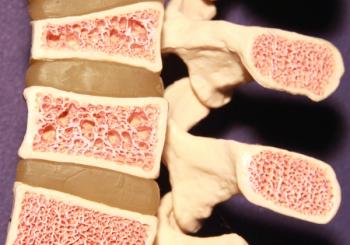
E Michael Lewiecki, MD, discusses his CCR West presentation “When is Osteopenia Osteoporosis?”

People with rheumatoid arthritis are at increased risk of osteoporosis. Test your knowledge of how the risk of osteoporosis can be minimized in these patients.
The guidelines will provide more options for the treatment and prevention of glucocorticoid-induced osteoporosis and will inform rheumatologists about the requirements for anti-resorptive therapy after anabolic agents are discontinued.
The updated guidelines highlight new recommendations for medications, flexibility in drug selection, and sequential therapy.

A study presented at ASBMR 2022 leveraging data from more than a dozen countries details trends in hip fracture incidence and projects potential incidence increases by 2050.

Vitamin D supplements are often recommended for the improvement of bone health, but investigators say the data are unclear whether they prevent fractures.

An ancillary study of the landmark VITAL trial provides clinicians with evidence related to the lack of reduction in fracture risk observed with vitamin D3 supplementation in older adults.

An analysis of real-world data from more than 6500 patients suggests insulin users had a greater risk of fracture than patients using metformin, but this became attenuated among patients using a combination of insulin and metformin.
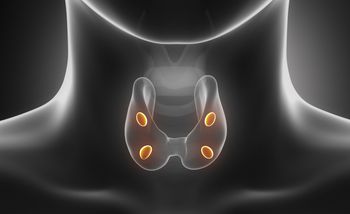
Data from Sweden national registers provide insight into the increased risk of adverse outcomes, including fracture, cardiovascular events, and mortality risk, associated with primary hyperparathyroidism as well as the apparent reductions in risk achieved by undergoing parathyroidectomy.

Analysis of data from more than 75k patients with diabetes in Canada suggests use of SGLT2 inhibitors was not associated with an increased fracture risk compared with DPP-4 inhibitors among patients with diabetic kidney disease.
On April 20, the UK National Osteoporosis Guideline Group released updated guidance for the diagnosis, prevention, and treatment of osteoporosis, which has received endorsements from the IOF and ESCEO.
An analysis of data from a 5000-patient cohort suggests use of NSAIDs was associated with a detrimental effect on the benefit of clodronate on reducing risk of fracture among older women.

Guidelines lack clear recommendations for osteoporosis management and fall prevention, which may be due to a lack of evidence in the literature.

Investigators address the need for understanding surrounding the relationship between poor bone health and patients who are hemophilia carriers and those with von Willebrand disease.

Using data from NHANES, researchers at the University of Chicago provide insight into associations of fat mass index and lean mass index on bone mineral density and how sex influences these associations.

An analysis of data from more than 50k patients using risedronate or alendronate from Ontario compares the risk of hip fracture and other outcomes during drug holidays.
November's endocrine month in review features stories on the Build Back Better Act, a recent review from the IOF, data from Kidney Week 2021, and more.
The latest review from the International Osteoporosis Foundation is a 14-page document with more than 100 references outlining current data related to the pathophysiological links between vascular calcification and bone loss.

Interim data from a post-marketing analysis suggest a boxed label warning for the drug in 2019 may have limited high-risk patients taking the biologic therapy.
October's endocrine month in review features stories on the new ADA and EASD type 1 diabetes guidance, a phase 2 trial examining oral PTH tablets for osteoporosis, and a 3-part panel discussion focusing on diabetes management in 2021.
A propensity score-matched analysis comparing fracture risk associated with the initiation of SGLT2 inhibitors versus GLP-1RAs or DPP-4 inhibitors indicates use of SGLT2 inhibitors was not associated with an increase in risk of fractures in older patients with type 2 diabetes.

On this month's episode of Overdrive, E Michael Lewiecki, MD, discusses recent controversies and trends in osteoporosis management, predictions for 2022, and how COVID-19 impacted the treatment landscape for rheumatologists.
E Michael Lewiecki, MD, discusses his CCR West presentations entitled, “Controversies in Osteoporosis” and “What's New in Osteoporosis for 2021?”
Advertisement
Advertisement