

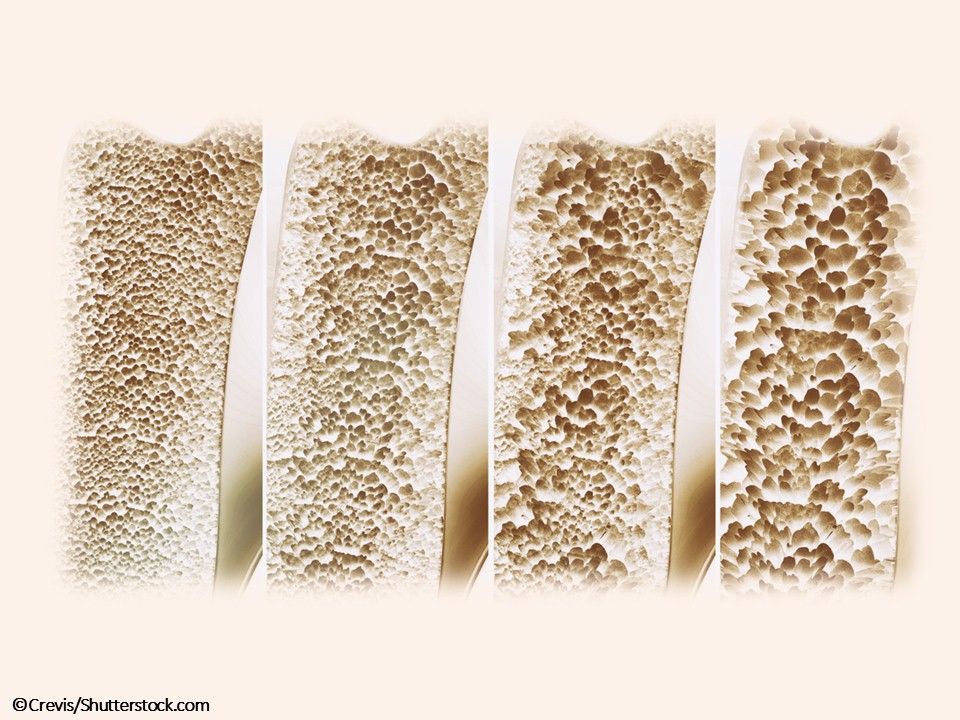
























































Vitamin D deficiency can compromise bone strength and increase susceptibility to severe fracture.
Vitamin D deficiency can compromise bone strength and increase susceptibility to severe fracture.
How much of a threat do these commonly prescribed agents pose to bone health?
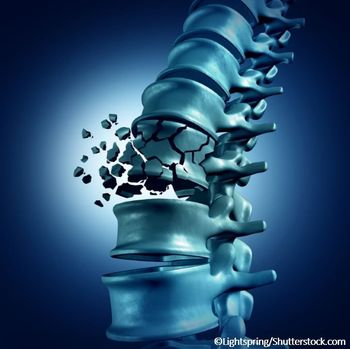
How best to protect your patients at risk for fracture? Test your knowledge with this 10-question quiz.

Results of a recent meta-analysis fly in the face of established guidelines.
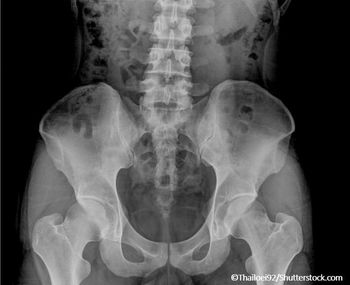
High-risk patients, such as older women, are most likely to benefit.
An ICER analysis and expert commentary on anabolics’ benefits and costs offer some opposing views, and some consensus.

EULAR 2017: Romosozumab reduces the risk of clinical vertebral fractures in postmenopausal women with osteoporosis by as much as five times.
Our May list includes a new treatment for osteoporosis, predictors of thyroid cancer recurrence, and fast-acting vs conventional insulin for T1DM.

Pso and PsA are associated with higher rates of pathological fractures.
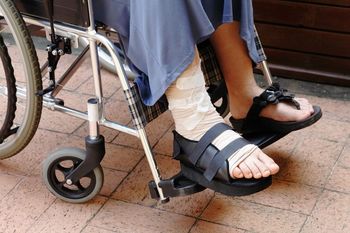
Vitamin D deficiency and insufficiency may be more common than you think, particularly in patients with fractures, shows a new review.
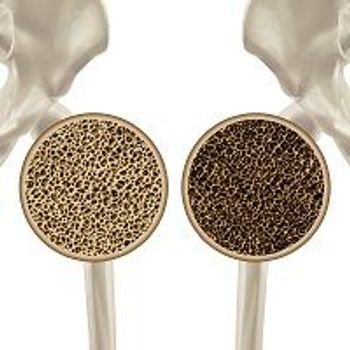
Selective serotonin reuptake inhibitors (SSRIs), popularly used as antidepressants, can have a negative impact on bone density. Beta blockers may be able to prevent that.

Nancy Lane, MD, discussed her team's study on abaloparatide, a new preparation of a hormone, and how it can stimulate bone formation.

The MD Magazine editors rounded up the 10 best stories from October – did you read them all?

Sticks and stones may break my bones, but so could regular cannabis use, according to a study from The University of Edinburgh.

Low protein intake may be responsible for fractures in older men, according to an observational study.

Using biomarkers to assess drug efficacy could pave the way for improved osteoporosis treatment, according to a new study.

In addition to being the most important ingredient in margaritas, substances derived from tequila can play an important role in bone health.

In this Q&A, Dr. Saag discusses the status of prednisone to treat rheumatoid arthritis, new treatments for osteoporosis and more.

Author of the recent vitamin D study in JAMA Internal Medicine discusses whether less is really more when it comes to vitamin D intake.
A new study suggests that bone material strength index (BMSi) is weakly associated with spine and hip areal bone mineral density (aBMD) but not with prevalent fracture in women.
Evidence-based medicine and patient input needed in prescribing bisphosphonates for osteoporosis.
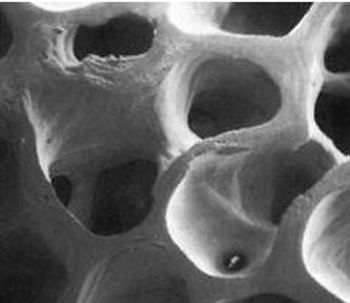
(CCR 2015) A number of new osteoporosis treatments are on the near horizon, drawing on a new understanding of bone biology, as described by a speaker at the Clinical Congress of Rheumatology.

Patients with osteoporosis have to deal with many potential complications and comorbidities with their condition, most notably the risk of fracture as a result of the bone loss.

Patients with osteoporosis got some good news at a recent conference when the results of a study showed that taking the drug denosumab can help increase bone density and keep their rate of fractures at a low level.
Although the primary outcomes of the US National Institutes of Health Women's Health Initiative trial suggested daily calcium plus vitamin D supplementation significantly reduced hip fracture in postmenopausal women, a follow-up investigation found no difference in hip fracture incidence between the study's supplement and placebo groups nearly 5 years after the intervention phase ended.