



Osteoporosis
Latest News
Advertisement
Latest Videos
CME Content





















































Advertisement
More News

A study from the University of South Australia assessing the impact of high-dose, short-term caffeine consumption suggests increased consumption could increase renal calcium clearance by 77% in healthy patients.

Using data from more than 2000 patients followed for 16 years, a Garvan Institute of Medical Research-led team found cognitive decline in older women could help predict bone loss and fracture risk among these patients.

The risk was generally did not depend on whether the initial fracture was deemed traumatic or nontraumatic.

An analysis of data from more than 1000 women in Australia suggests each incremental increase in abdominal aortic calcification was linked to a 3% increase in risk of fall-related hospitalizations.
An analysis of data from the Women's Health Initiative provides an overview of the risk of subsequent fracture seen among women with a history of traumatic versus nontraumatic fracture in postmenopausal women.
Analysis indicates women with thinning or weakened bones were at an increased risk of atherosclerotic cardiovascular disease events.
An analysis of data from more than 12,000 women in Asia is shedding new light on the prognostic value of BMD for predicting risk of atherosclerotic cardiovascular disease in aging women.
A new study is challenging the notion that certain types of fractures, such as lower arm or wrist fractures, do not signal increased risk of subsequent fractures among postmenopausal women.
A case-controlled study of 60 patients in the United Kingdom found presence neuropathy contributes to fracture risk in patients with type 1 diabetes but found other factors play a role in the increased risk among these patients.
Switching from 60 mg to 30 mg denosumab every 6 months could be an option for patients who have completed long-term denosumab therapy, according to the results of a new study from McMaster University.
A Mass General-led analysis of claims data indicates less than 1-in-10 patients who suffer a hip fracture were prescribed an osteoporosis treatment in the next 6 months, while also providing data on trends in prescribing practices of newer agents.
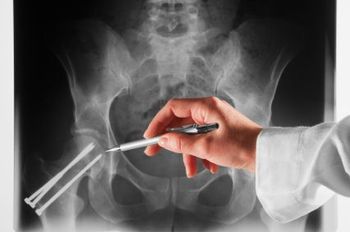
Using data from the Osteoporotic Fractures in Men study, new research suggests incorporating AAC scores and PVFx could help predict older men at increased risk of fractures.
An analysis of data from the Veterans Health Administration is providing insight into the apparent increase in risk of fracture or osteoporosis among older adults with kidney or ureteral stones.

An analysis of more than 30k middle-aged adults from a prospective cohort study in Sweden is providing insight into the effects of exercise and other variables on fracture risk in these patients.

Take 5 minutes to catch up on Rheumatology Network's highlights from the week ending February 19, 2021.

A survey of providers within the IOF and NOF provides insight into the effects of the COVID-19 pandemic on the diagnosis and treatment of osteoporosis across multiple regions throughout the world.

A study published in Osteoporosis International focused on the changes that have occurred over the course of the pandemic for patients with osteoporosis and found that there have been delays in dual-energy X-ray absorptiometry (DXA) scanning, problems with medication supply, a decrease in face-to-face consultations, and reductions in parenteral medication delivery.
Rheumatology Network sat down for an interview with Glenn Haugeberg, MD, PhD, from Sørlandet Hospital, in Norway, to discuss his presentations for the Rheumatology Winter Clinical Symposium. He will be presenting his findings on Biosimilars: Review and Real-World Experience and Osteoimmunology: Osteoporosis and Beyond.

An international survey shows an increase in telemedicine, but a decrease in out-patient care.

Increasing dosage of mometasone is associated with elevated risk of osteoporosis and major osteoporotic fractures.

“Based on 16,235 pairs of zoledronic acid and denosumab initiators (for osteoporosis), we found a greater risk (HR 1.25, 95% CI 1.04-1.50) of atrial fibrillation with zoledronic acid vs denosumab: an absolute risk difference of 3.69 events per 1000 person-years,” said Seoyoung Kim, MD, ScD.
Dr Joan Lo, MD, a research scientist with the Kaiser Permanente Northern California Division of Research, said: “We found that hip fracture risk in women did not differ if women stopped bisphosphonate use after five years or stayed on the medication for 10 years. Whether there is a benefit to staying on the drug for seven years needs to be further studied in randomized trials.”

A phase 2 trial from investigators in the UK suggests use of denosumab, a human monoclonal antibody, could drastically reduce the rate of revision procedures after hip replacements.

An analysis of data from more than 1.2 million Korean women offers insight into how reproductive factors might impact fracture risk among postmenopausal women.
“Bone mineral density screening rates remain low, as do calcium/vitamin D supplementation and primary prophylaxis with anti-osteoporotic therapy," lead author Eileen Rife, MD, said.
Advertisement
Advertisement