
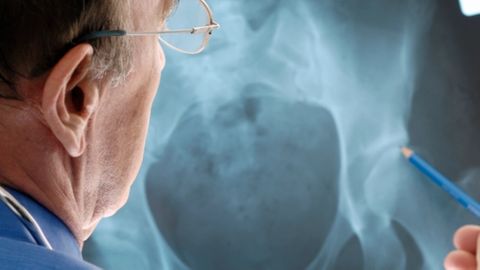


























































An analysis of GoogleAnalytics data suggests use of FRAX fracture risk assessments declined by 58% globally in April 2020 compared to February 2020.
An analysis of GoogleAnalytics data suggests use of FRAX fracture risk assessments declined by 58% globally in April 2020 compared to February 2020.

An analysis of 22k prostate cancer patients over a 15-year period suggests less than 1-in-4 undergo bone mineral density testing after androgen deprivation therapy.
In this week's news roundup from Rheumatology Network, we highlight this week's leading stories including two stories on new developments in osteoporosis treatment. In one, a physician-scientist describes "a crisis in the treatment of osteoporosis" due to severe side effects. Learn more about this story and others in this week's news roundup.
Patients taking nitrogen-containing bisphosphonates have a lower risk of developing and dying from pneumonia after hip fracture compared with patients taking other types of medication for osteoporosis or no drugs for osteoporosis at all, a study published in the Journal of Bone and Mineral Research has found.
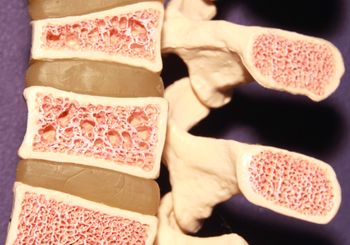
Delays to denosumab injections increase the risk of vertebral fractures, a study published in the Annals of Internal Medicine has shown, highlighting the importance of trying to ensure that, while covid-19 is disrupting many medical services, the pandemic does not impact on the timing of denosumab injections.
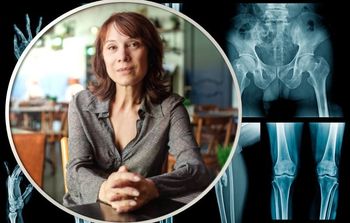
In women 50 years of age or older, the risk of atypical femur fracture increased with longer bisphosphonate use, Asian ancestry, shorter height, higher weight and glucocorticoid use for one year or more, but this risk rapidly decreased after bisphosphonate discontinuation, according to a study recently published in New England Journal of Medicine.
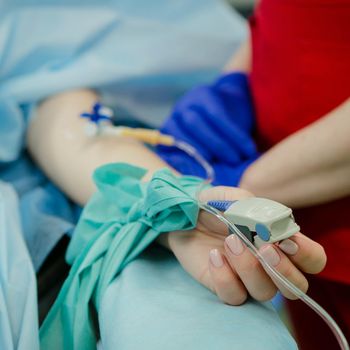
The assessed sickle cell population had high rates of low vitamin D levels and bone marrow density, but there was no strong correlation between both conditions.

An analysis of data from 4 decades offers insight into the impact of treatment advances and changes in risk factor management on incidence of hip fracture.

In a review recently published in Current Osteoporosis Reports, Sarah French, M.D., a rheumatologist with the University of California at San Francisco, summarizes performance quality measures for osteoporosis using Centers for Medicare and Medicaid measures for pay-for-performance programs. In this interview, Dr. French shares with us her findings.

Adherence to a Mediterranean diet is associated with improved musculoskeletal health and fewer falls, according to study data presented at the American Society for Bone and Mineral Research (ASBMR) annual meeting held earlier this month.

Today, we talk with Dr. Sarah French, a rheumatologist with the University of California at San Francisco. Dr. French recently published a review in Current Osteoporosis Reports that addresses successes and failures in quality improvement initiatives in osteoporosis. Through the MIPS program, healthcare providers are required to select six quality measures. And while they may be performing well on osteoporosis screenings, their track record on osteoporosis management isn't fairing as well. Dr. French has identified this as an area for improvement. In this interview, she explains how.
ASBMR
Low levels of osteocalcin are associated with an increased risk of diabetes in patients treated with glucocorticoids, according to a study presented on Sept. 11 at the American Society for Bone and Mineral Research (ASBMR) annual meeting which wrapped this week as a virtual meeting.

ASBMR
Bisphosphonate use, especially for more than five years, is associated with an increased risk of atypical femoral fractures, but this risk falls considerably after discontinuation, according to a Nationwide Danish an analysis and review presented on September 13 at the American Society for Bone and Mineral Research (ASBMR) annual meeting which was held virtually.

ASBMR
Teriparatide, a recombinant human parathyroid hormone analog [rhPTH(1-34)] approved for women and men with osteoporosis, has been shown to renew bone tissue in patients with femoral neck fractures of the hip, according to research presented at the American Society for Bone and Mineral Research (ASBMR) annual meeting which was held this week.

ASBMR
Some evidence shows the combination of teriparatide and denosumab, followed by a single dose of zoledronate, may be an effective strategy in the long-term management of high-risk fragility fractures.

Spending more time in high-intensity physical activity in early life may protect against osteoporosis in later life, and men are more successful at this than women, according to a study recently published in JAMA Network Open.

An expert discusses the state of screening, diagnosing, and treating osteoarthritis and osteoporosis.
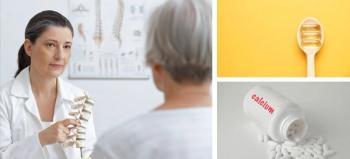
Drug therapy appears to be the first-line option for reducing fracture risk in osteoporosis, but it is not always feasible, and increasing calcium, vitamin D and protein intake may be a more practical option.

ASBMR
High-dose vitamin D supplementation compared with standard-dose vitamin D supplementation resulted in a greater loss of volumetric bone mineral density in women but not men, according to study data presented at the American Society for Bone and Mineral Research (ASBMR) annual meeting which is being held virtually.

ASBMR
Three months of treatment with the osteoporosis drug abaloparatide (Tymlos, Radius) has a robust effect on bone formation in postmenopausal women with osteoporosis, according to a study presented on Sept. 12 at the American Society for Bone and Mineral Research (ASBMR) annual meeting which is being held virtually.
ASBMR
The osteoporosis treatment abaloparatide has been shown to increase bone mineral density of the lumbar spine, total hip and femoral neck bone in patients with osteoporosis who are at high risk for fracture, according to a study presented today at the American Society for Bone and Mineral Research annual meeting which is being held virtually through Tuesday.

Early initiation following fragility fractures helps manage osteoporosis.

Patients attempting to lose weight through dietary changes should be advised of the importance of maintaining their existing muscle mass and strength through exercise, so as not to increase their risk of fractures, Canadian researchers say.
Osteoporosis
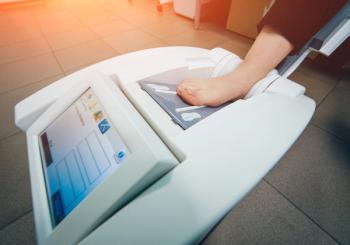
Postmenopausal women may not need a repeat bone mineral density test after three years to determine risk of osteoporotic fracture, a study finds.

Osteoporosis
Hip fractures in the United States and developed countries have been declining for over four decades. But why? Dr. Timothy Bhattacharyya, an orthopedic surgeon and head of Orthopedics Research for the Clinical Trials and Outcomes Branch of the National Institute of Arthritis and Musculoskeletal and Skin Diseases, delved into the root cause of this phenomenon in a study published in July in JAMA Internal Medicine.