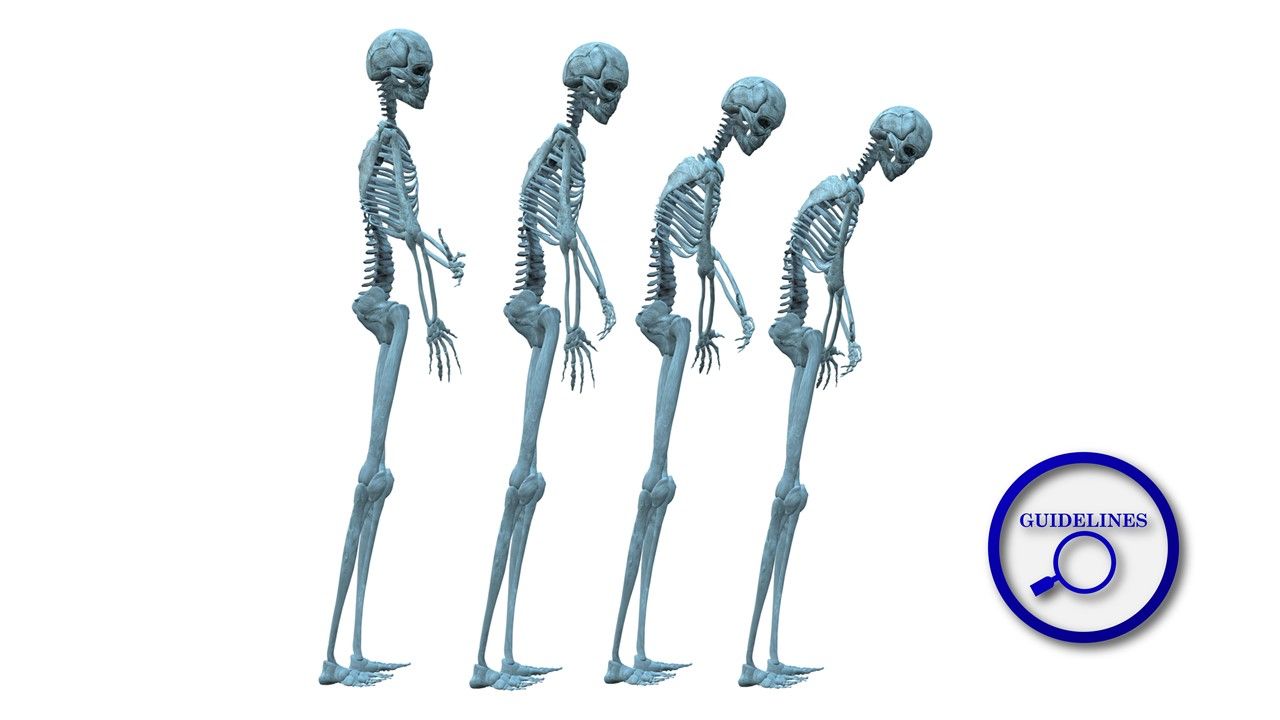


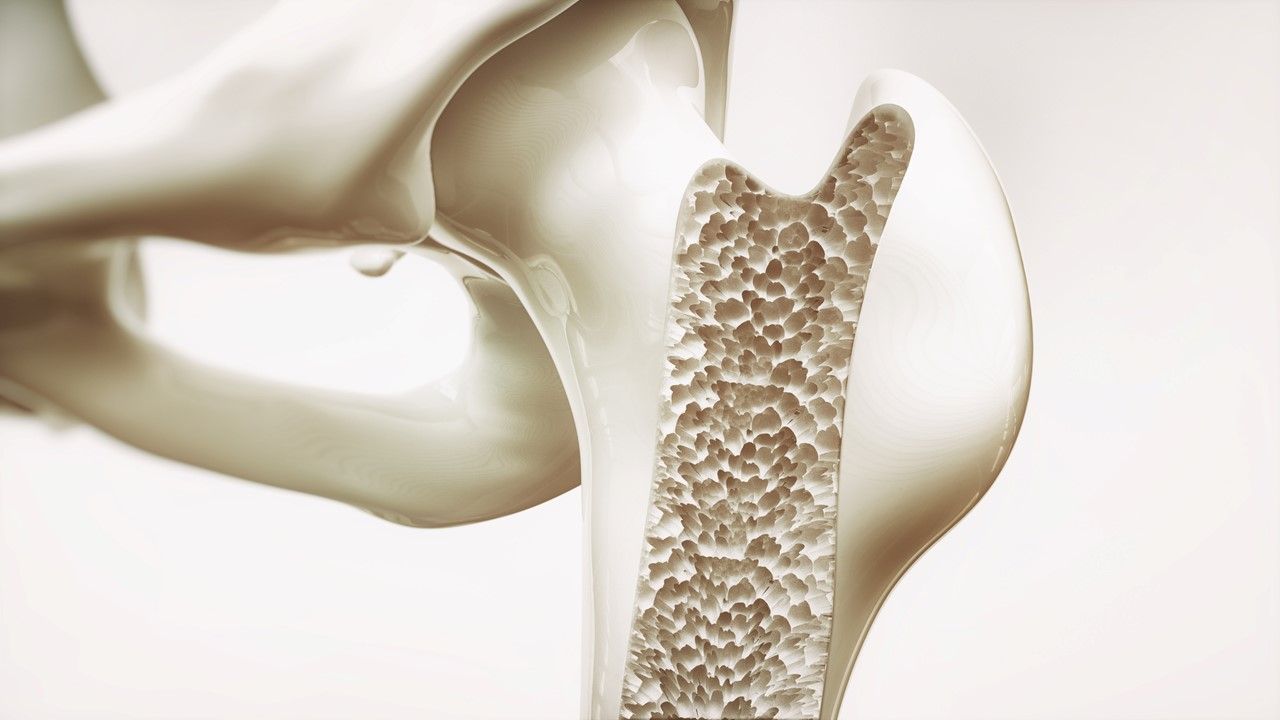























































The potential for intervening in bone loss due to aging may require a broader approach to the interactions of both the hematopoietic and skeletal systems.

The potential for intervening in bone loss due to aging may require a broader approach to the interactions of both the hematopoietic and skeletal systems.

How well do you know the ACR treatment recommendations for the prevention and treatment of glucocorticoid-induced osteoporosis? Test your knowledge with this quiz.

A market analysis shows that bisphosphonates will reach $14 billion in sales by 2021. As more patients are prescribed these osteoporosis drugs, physicians will increasingly be faced with managing drug-related adverse events. Learn more in this article.

What are the most overlooked, difficult-to-treat symptoms within menopause?

Which additional bone traits, besides bone mineral density, can be used to determine fracture risk? Authors of a new study sought to find out.

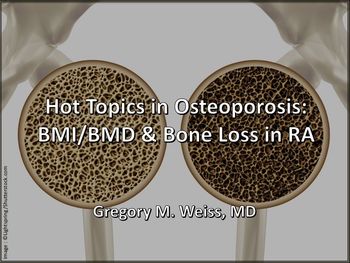
Two recent studies looked at the predictive value of the BMI/BMD ratio and the rate of bone loss in RA.

Contrary to current guideline recommendations, a new review argues against routine coeliac disease screening for osteoporosis patients.

(1) Exercise limits bone loss but not weight gain; (2) BMD may serve as a biomarker; (3) men are at high risk for secondary fractures.

A new study found statin use is associated with a decreased risk of osteoporosis, hip fracture, and vertebral fracture in stroke patients.

A patient's genetic predisposition to low bone mineral density can increase their risk for osteoporotic fractures, according to a new genome-wide association study.

Authors of a new study devised a new algorithm that can help physicians identify and manage diabetic patients at increased fracture risk.

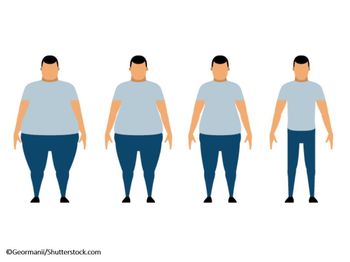
Swedish researchers found a 30% increase in the risk of fractures-independent of the degree of weight loss.

Are you up-to-date on the latest tools for predicting future fracture? Take our 7-question quiz to find out.

The goal of the study: to identify young patients at risk before any clinical symptoms develop.

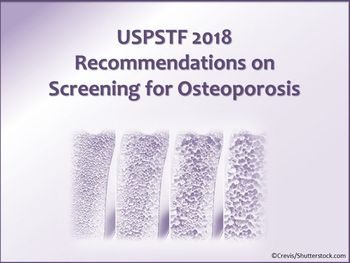
Will the new recommendations affect your approach to osteoporosis screening and treatment? Scroll through our quick slideshow to get all the highlights.

Why have recent data failed to show the value of vitamin D supplementation? This study offers a clue.

A bisphosphonate drug holiday linked to a 20% rise in hip fractures in older women, according to a new study.

A simple blood test can help you assess patients with RA for fracture risk.

This minimally invasive procedure provides additional options for the patient population suffering with sacral insufficiency fractures.

Drawbacks of bisphosphonate holidays, bone benefits of the Mediterranean diet, and a new weapon against glucocorticoid-induced osteoporosis.

Recommendations from the US Preventive Services Task Force that seem counterintuitive.

Fifth indication for Prolia for men and women at high risk for fracture who are receiving systemic glucocorticoids.

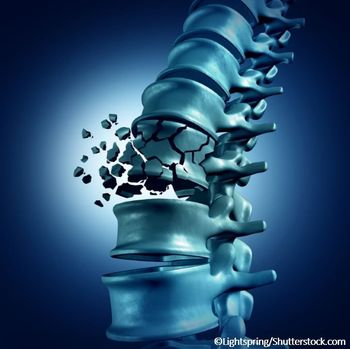
Weight loss surgery can reduce bone mass and strength and increase the risk of fractures.

Which patients need bisphosphonate therapy-and for how long?

Although the screening controversy has been smoldering for some time, a recent article may have added fuel to the fire.