

Pegloticase treatment significantly improves serum urate levels and quality of life in kidney transplant recipients with gout, showing promising clinical benefits.
Pegloticase treatment significantly improves serum urate levels and quality of life in kidney transplant recipients with gout, showing promising clinical benefits.

These preliminary findings on psilocybin-assisted therapy (PAT) for patients with fibromyalgia point to its potential, though additional large-scale research is needed.

Somatization syndromes and childhood trauma emerged as key predictors of fibromyalgia over rheumatoid arthritis in a recent study comparing both groups.

Findings suggest MetS is linked to greater levels of pain catastrophizing in psoriatic arthritis, highlighting the need for multidisciplinary care.

Tumor necrosis factor-α inhibitors are suggested as the optimal treatment for both joint and skin symptoms.

Recent research highlights low certainty in sleep interventions for fibromyalgia, yet exercise shows promise in improving sleep quality.

New findings suggest the 2016 criteria may underdiagnose fibromyalgia in patients with comorbidities, potentially missing the disorder’s full clinical complexity.

New findings refine neuropathic pain treatment guidelines, emphasizing effective medications and the importance of personalized care for improved patient outcomes.

Ten percent of effector genes identified express proteins targeted by approved drugs across disease fields.
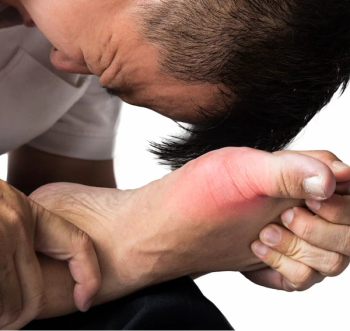
Febuxostat was associated with a nearly 3-fold higher risk of mild to moderate perturbation of liver function than benzbromarone.
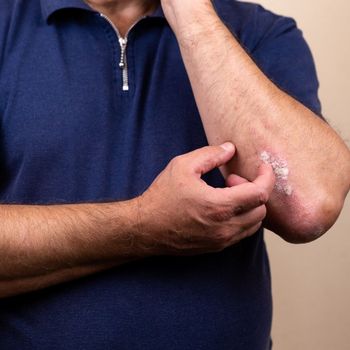
Investigators call for faster diagnosis and better treatment for psoriatic arthritis to avoid unnecessary complication and suffering.

Participants experienced significant improvements in pain, sleep, and physical function.

Anti-IL-17 medications meant to treat psoriasis and psoriatic arthritis may inadvertently harm gastrointestinal tract.

Significant associations were seen in males, Mexican Americans, married individuals, those with insufficient physical activity, and those with diabetes.

People with ME/CFS also have a high comorbidity rate of fibromyalgia, which has also been seen to improve with aquatic exercise.

More studies are needed to assess whether creatinine or and hyperuricemia may be prognostic factors for these patients.

After a primary analysis revealed no significant differences in pain, exploratory outcomes in the FINAL trial also revealed no significant findings.

Dual-energy computed tomography results in faster dissolution of both the core and crown of tophi.

hsCRP may be a more accessible and reliable method of indicating inflammation, a known precursor to PsA.
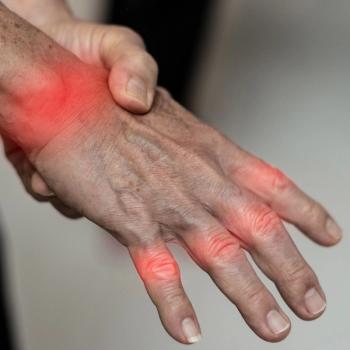
Despite common practice avoiding benzbromarone, new data suggest it has a relatively low hepatotoxicity versus its more common counterpart in gout.
Our Q1 2025 recap for rheumatology spotlights 5 regulatory updates, 5 key trial announcements, and top expert perspectives in rheumatology care.


Our top 5 headlines featured key FDA moves in nephrology and ophthalmology, from new approvals to trial terminations and priority reviews.

Regulatory approval of inebilizumab for immunoglobulin G4-related disease (IgG4-RD) marks the first and only available treatment for adults.
The rheumatology month in review emphasizes new research in gout, fibromyalgia, and psoriatic arthritis.
The rheumatology month in review emphasizes new research in gout, fibromyalgia, and psoriatic arthritis.

This FDA News Month in Review provides a round-up of regulatory decisions from March 2025.
By 3 months, nearly all patients confirmed exposed to 30 or 60 mg SAP-001 reached serum uric acid levels below 6mg/dL.
Small but significant decreases were also seen in depression and anxiety scores in people with and without psoriatic arthritis.

Hazard ratios of MACE were similar between patients treated with ustekinumab, adalimumab, etanercept, and secukinumab.