
Patients with gout frequently experience kinesiophobia and central sensitization, which were independently linked to greater pain intensity.
Patients with gout frequently experience kinesiophobia and central sensitization, which were independently linked to greater pain intensity.

New research shows both left and bilateral taVNS are safe, noninvasive treatment options that relieve pain in individuals with fibromyalgia.

Topline results show GLPG3667 met its primary endpoint in a phase 3-enabling dermatomyositis trial but missed in systemic lupus erythematosus.
A large prospective cohort study showed that moderate dietary diversity, particularly greater intake of grains, dairy, vegetables, and fruits, is linked to reduced gout risk.

New data links chronic pain to impaired muscle relaxation, with the greatest limitations observed in fibromyalgia and chronic tension-type headache.

A BTK inhibitor, orelabrutib, met its primary endpoint in a phase 2b trial for systemic lupus erythematosus, with further approval for a phase 3 trial evaluation.

Evidence shows fibromyalgia patients face higher overactive bladder rates and symptom severity, highlighting the importance of integrated care.

Multicenter study shows patients with both CKD and gout achieve better urate control on febuxostat than those with gout alone, despite the lower doses.
A 20-year population study found unilateral adrenalectomy raises long-term risks of CKD and gout in primary aldosteronism.

In a phase 3 trial, the first-in-class triple agonist delivered up to an average of 71.2 lbs weight loss and reduced WOMAC pain scores for knee osteoarthritis.

A study shows that knowledge of hyperuricemia alone doesn’t drive practice. Attitude significantly mediates self-management, particularly in asymptomatic individuals.
A new study reveals ligdolinurad effectively lowers uric acid levels in gout patients, showcasing promising safety and tolerability results.
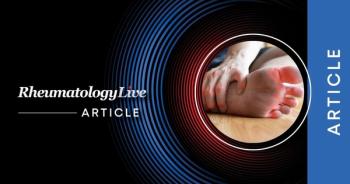
New data support firsekibart's efficacy over colchicine for preventing acute gout flares.
This rheumatology month in review emphasizes new data from the ACR Convergence.

Explore groundbreaking advancements in healthcare as 2025 concludes, featuring expert insights and dynamic multimedia.

A compilation of 13 trials presented as late-breaking data at ACR Convergence 2025.
The rheumatology month in review emphasizes new data presented at the 2025 ACR Convergence.

New research at ACR 2025 highlights the link between cognitive impairment and disease activity in SLE.
Ianalumab significantly reduces Sjögren disease activity, meeting the primary outcome in recent phase 3 trials.

Mepolizumab shows significant real-world benefits in reducing end-organ dysfunction.

Switching to an IL-17 inhibitor after TNF inhibitor failure showed no superior benefits for axial spondyloarthritis.

TENS combined with physical therapy significantly alleviates fibromyalgia pain and fatigue.

A recent exploratory analysis reveals significant kidney B-cell depletion by the recently approved drug.
Telitacicept significantly alleviates Sjögren disease symptoms over 48 weeks, outperforming placebo with a favorable safety profile in a phase 3 trial.

In long-term follow-up of KEEPsAKE 1 and 2, risankizumab maintained joint, skin, pain, and axial responses in patients with PsA through 244 weeks.

Stay updated with the latest healthcare breakthroughs, including FDA approvals and colorectal cancer screening updates, in this week's essential news roundup.

View slated expert interviews and 6 clinical RA, PsA, and lupus trials to watch at ACR 2025.

The decision is supported by positive results from the phase 2 NOBILITY and phase 3 REGENCY studies.
However, a notable higher rate of treatment-related adverse events warrants caution.

Sonelokimab meets ACR50 primary endpoint in a phase 2 trial.