

Using an established full and simplified definition, investigators found a substantial percentage of the MIRROR population achieved gout remission.
Using an established full and simplified definition, investigators found a substantial percentage of the MIRROR population achieved gout remission.

Sarilumab 200 mg every 2 weeks with a 14-week glucocorticoid taper significantly boosted patient-reported outcomes versus placebo in polymyalgia rheumatica.

Targeting changes in foot progression angle to maximally reduce knee loading led to greater reductions in medial knee pain and knee adduction moment peak.

SetPoint Medical's FDA-approved device offers a new neuroimmune therapy for rheumatoid arthritis, enhancing treatment options without immune risks.


Novartis is planning regulatory submissions for the therapy, which could become the first to meaningfully modify disease activity.

New research reveals challenges in maintaining urate-lowering therapy for gout, highlighting disparities in adherence among diverse patient populations.

The APEX study presents the results of 2 dosing regimens of guselkumab (Q4W and Q8W) in biologic-naïve patients with psoriatic arthritis (PsA).

New findings reveal CFT outperformed usual care to significantly reduce chronic low back pain and activity limitations.
The rheumatology month in review emphasizes new research in psoriatic arthritis treatments and data from EULAR 2025.

This session at the DERM 2025 conference highlights several clinical pearls in dermatology and was presented by rheumatologist Karim Ladak, MD.
Guselkumab shows promise as the first IL-23 inhibitor to significantly reduce joint damage in active psoriatic arthritis.

Reformer Pilates significantly reduces pain and enhances mental and physical health in women with chronic musculoskeletal pain, promoting active living and coping strategies.
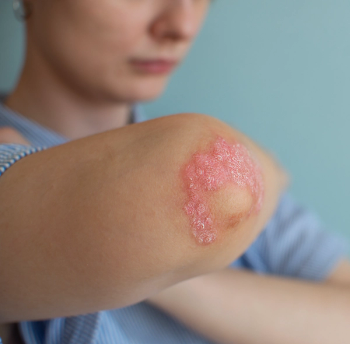
New phase 3 trials reveal tildrakizumab 100mg significantly improves symptoms in active psoriatic arthritis, offering hope for effective treatment options.

Virtual cognitive behavioral therapy delivered via phone or online led to moderate improvements in pain and function in the phase 3 RESOLVE trial.

Machine learning uncovers gut microbiome biomarkers linked to purine metabolism, enhancing diagnostic strategies for gout and hyperuricemia.

A study of approximately 1.2 million children found no evidence that early exposure to aluminum from vaccines increases the risk of autoimmune, allergic, or neurodevelopmental conditions.

Conversely, influenza vaccine was associated with increased COVID-19 severity and hospitalizations in patients with inflammatory rheumatic diseases.
Bristol Myers Squibb's deucravacitinib shows promise as a safe, effective treatment for active psoriatic arthritis, pending FDA approval by March 2026.

GLP-1 receptor agonists show promise in reducing pain, fatigue, and opioid use in fibromyalgia patients, suggesting a new therapeutic avenue.

A new study reveals that gout significantly affects hand function, with manual dexterity impairments nearly as severe as those seen in rheumatoid arthritis.

Findings suggest clinical risk factors involved in the development of psoriatic arthritis in children with psoriasis, including BMI and psoriasis location.

This study compared a combined pain neuroscience education and resistance training program with a different training program in women with fibromyalgia.

The AGILE and FORWARD studies found comparable efficacy and safety with shorter doses and higher dose, monthly doses, compared to the pivotal MIRROR trial.

TYK2 inhibition may offer a potentially better tolerated treatment option than JAK inhibitors for people with PsA.

New phase 3 trial data reveals Dapirolizumab pegol significantly reduces disease activity and fatigue in systemic lupus erythematosus patients, promising improved treatment outcomes.

A study reveals a significant link between poor oral health and increased migraines and body pain in women, highlighting implications for fibromyalgia management.
Explore groundbreaking FDA approvals and clinical trial advancements in rheumatology, offering new hope for patients with rare autoimmune diseases and chronic conditions.
This FDA News Month in Review provides a round-up of regulatory decisions from June 2025.
The rheumatology month in review emphasizes new research in RA burden, fibromyalgia treatment, and insights from the EULAR 2025 meeting.