





























































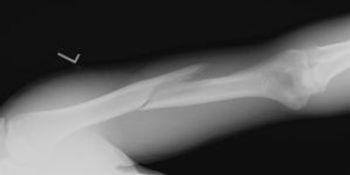
Women under 50 with rheumatoid arthritis have an increased risk of breaking bones compared with women who do not have the condition, a new study finds.

Women under 50 with rheumatoid arthritis have an increased risk of breaking bones compared with women who do not have the condition, a new study finds.
Musculoskeletal pain is common. In one analysis, 33% of adults reported musculoskeletal pain from overuse as a chief complaint. Morbidity resulting from musculoskeletal pain contributes to 29% of lost workdays because of illness and is second only to cardiovascular disease in terms of economic burden

Antares Pharma, Inc. has announced positive results of an auto-injector that delivers a rapid subcutaneous injection of methotrexate.

The risk of latent tuberculosis infection (LTBI) is greater in patients with rheumatoid arthritis (RA). Regular screening for LTBI is recommended.

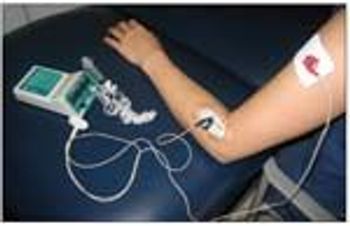
Researchers hope a device that stimulates the vagus nerve will reduce pain and swelling as well as joint damage in rheumatoid arthritis patients.

Scaling Mt. Everest is a tremendous achievement even for the fittest of climbers. For those suffering from rheumatoid arthritis, it was unheard of-until now.
Reactivation of latent tuberculosis infection (LTBI) has emerged as a problem in patients with rheumatoid arthritis (RA). Anti–tumor necrosis factor α therapy is strongly associated with reactivation of tuberculosis (TB) in patients with RA.
Patient Guide for patients with rheumatoid arthritis

FDA approved tablet provides a new treatment option for RA sufferers who may be at risk for upper gastrointestinal ulcers stemming from chronic NSAID use.

Humira was found to be ineffective on twenty-eight percent of RA patients in a recent study

Researchers at Brigham and Women's Hospital report an injectable gel that could spell the future for treating inflammatory diseases
The RA Joint Count is a validated tool for assessing rheumatoid arthritis. This article reviews a uniform procedure for instructing patients, identifying joint landmarks, and examination techniques.
Simponi injectable pens, used commonly to help treat symptoms of rheumatoid arthritis, have been recalled due to defective manufacturing.

Fostamatinib disodium has been discovered to be a safe but ineffective treatment of patients suffering from rheumatoid arthritis who failed biologic therapies.
Experimental drug PLX5622 has been shown in preclinical arthritis models to reduce inflammation, reduce cartilage damage, and prevent bone resorption.
With the advent of expensive laboratory tests and sophisticated imaging, the diagnosis of rheumatoid arthritis (RA) remains clinical. Because early detection is important for preventing clinical and radiographic progression, revision of the diagnostic criteria was needed and has been implemented.

Researchers plan to study the effects of hip replacement therapy on the employment and retirement decisions of older adults.
The American College of Rheumatology has put together a list of 13 myths about rheumatoid arthritis.

Arthritis patients benefit significantly when they receive homeopathy alongside conventional treatment over a period of six months.
Strong, positive marriages can help rheumatoid arthritis patients cope better.
Despite claims that biologics for treating rheumatoid arthritis are highly effective, Medicaid patients seem to demonstrate low adherence.
The significant changes in the way rheumatoid arthritis has been managed include earlier, more aggressive treatment with combination therapy.
European Union okays Vimovo for osteoarthritis, rheumatoid arthritis, and ankylosing spondylitis
A phase II clinical study began for Galapagos NV's drug candidate GLPG0259, a novel drug being developed for rheumatoid arthritis.
The standard DAS 28 score is the factor most strongly affecting the level of rheumatoid arthritis-related disability, according to a study in the Journal of Clinical Rheumatology.