

The etanercept biosimilar, YLB113 (Nepexto), maintained a favorable efficacy, safety, and immunogenicity profile through week 96.
Lana Pine is the editor of HCPLive Rheumatology. She is an experienced editor and technical writer with a demonstrated history of working in the banking and publishing industries. In her free time, she enjoys cooking, yoga, listening to podcasts, and drawing. She can be reached via email at LPine@mjhlifesciences.com.
The etanercept biosimilar, YLB113 (Nepexto), maintained a favorable efficacy, safety, and immunogenicity profile through week 96.
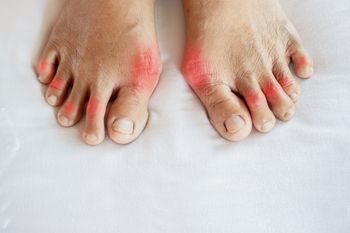
Serum urate rapidly declined after initiation of pegloticase and methotrexate therapy and was maintained well below ≥ 6 mg/dL, an indicator of uncontrolled gout, throughout the study.

In the post-hoc analysis, an association between cumulative local joint swelling and progression of radiographic damage in the same joint was observed in patients with rheumatoid arthritis.

Despite EULAR recommendations encouraging the tapering of glucocorticoids and the rapidly expanding treatment options for patients with rheumatoid arthritis, glucocorticoids are still commonly prescribed to reduce inflammation and manage disease activity.

Findings support the concept of early urate-lowering therapy in patients experiencing gout flare under adequate prophylactic treatment.

Disease-dependent factors, such as a history of adverse reactions to bio-originators and disease activity, influenced patients' acceptance of switching from a biologic to a biosimilar.

The cross-sectional study evaluated the relationship between the mediating variable, distress, and pain and functionality in patients with fibromyalgia after controlling for age, gender, and income.

“Although the evolution of COVID-19 is favorable worldwide, multiple variables related to psychological health and the response to stressors seem to have triggered symptomatologic responses in fibromyalgia patients,” investigators stated.

Patients with psoriatic arthritis who achieve minimal disease activity during the first year of diagnosis are shown to experience better health-related quality of life, improved mental wellbeing, and reduced fatigue.

Results of the study, which focused on patient-reported outcomes in addition to clinical measurements, mirror findings from other large-scale studies evaluating the safety and efficacy of biosimilars in patients with rheumatoid arthritis.

Although high intensity resistance training did not improve mood in women with fibromyalgia, anger decreased during the 8-week, supervised intervention program.

Although the incidence rates were similar among those treated with TNFi and biologics-naïve patients, patients with psoriatic arthritis had a 35% increased risk when compared with the general population.

The data reported significant improvements in serum urate (sUA) following 12 weeks of treatment.
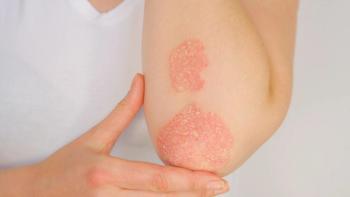
Results from the MUST trial reported that ustekinumab monotherapy was just as effective in treating psoriatic arthritis as treatment with ustekinumab plus methotrexate.

Although patients with inflammatory conditions reported positive attitudes towards biologic treatment, they were far less familiar with biosimilars, indicating the need for clinicians to provide patient education more effectively.

Given the growing evidence that patients with gout are at an increased risk of developing cardiovascular disease, accurately screening patients and identifying potential risk factors is of critical importance.

At the 6-month mark, there were no significant differences between the treatment groups regarding composite score-defined remission.

Take a few minutes to review the most noteworthy studies published on Rheumatology Network in 2022.

Alfredo Aguirre, MD, discusses the latest data regarding lupus this year at the American College of Rheumatology (ACR) Convergence 2022, trends in lupus management, and the importance of remission in lupus.

Ayman Askari, MD, discusses the recent trends in rheumatoid arthritis, studies presented at the American College of Rheumatology (ACR) Convergence 2022, and the pressing issues that face rheumatologists moving into 2023.

Current literature is trending towards exploring the impact of complementary and alternative treatments for fibromyalgia and an overall focus on multidisciplinary care.

Take 5 minutes to catch up on Rheumatology Network's top articles from December 2022.

Theodore Fields, MD, FACP, discusses the most important gout studies in 2022, regulatory news, and the most pressing issues surrounding gout moving into 2023.

Potential barriers to an interest in pediatric rheumatology include inadequate exposure and mentorship within these specialties, as well as long periods of required training and lower compensation for pediatric specialists.
With a great deal of marginalized patients navigating burdensome, chronic, heterogenetic disease today, rheumatologists are becoming more invested in what the individual needs and wants from care.

Fibromyalgia syndrome and connective tissue disorders were found to be highly associated in terms of both prevalence and symptoms.

Take 5 minutes to catch up on Rheumatology Network's highlights from the week ending December 17, 2022.

“We realize, looking at the literature and also our clinical experience, that there are significant health disparities that are well documented in literature in Latinx and Hispanic rheumatoid arthritis patients, including perceptions of increased pain, fatigue, higher risk for depression, and a history of other self-help and self-management programs,” Adena Batterman, MSW, LCSW, explained.

Improvements in GUSS, a validated tool developed to identify changes in hand osteoarthritis over time, were higher in the denosumab group when compared with placebo and the development of new erosive joints was significantly lower at week 48.

The percentage of patients with fibromyalgia experiencing alexithymia was substantially higher when compared with healthy controls and was linked to pain and psychological distress.