
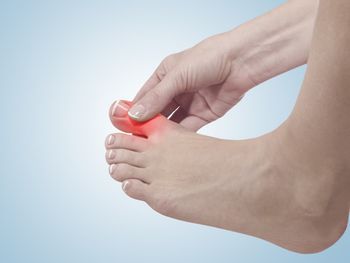
The pooled analysis showed the risk of all-cause dementia was decreased in patients with gout, particularly in patients receiving medication.
Lana Pine is the editor of HCPLive Rheumatology. She is an experienced editor and technical writer with a demonstrated history of working in the banking and publishing industries. In her free time, she enjoys cooking, yoga, listening to podcasts, and drawing. She can be reached via email at LPine@mjhlifesciences.com.
The pooled analysis showed the risk of all-cause dementia was decreased in patients with gout, particularly in patients receiving medication.

Although the benefits of telehealth are clear, it is not without its challenges. As the field of rheumatology moves into a post-pandemic world, the future of telemedicine hangs in the balance.

An increased hazard ratio was observed for all-cause mortality, including a standardized mortality ratio for accidents and an increased risk for mortality from infections and suicide.

Carola Vinuesa, MD, PhD, recipient of the Lupus Research Alliance Lupus Insight Prize, discovered a mutation in a specific human gene that causes systemic lupus erythematosus.

Patients identified areas of confusion in data presentation and suggested educational support to better engage with the information provided.

Improvements in CDAI by >5 points were associated with improvements in the 5 PROMIS domains and increased satisfaction with rheumatoid arthritis treatment.

The rheumatology month in review features studies reporting increased depression rates among patients with autoimmune disease, interventions designed to decrease chronic pain symptoms in fibromyalgia, and highlights from EULAR 2023.

At month 12, response rate was significantly higher in patients receiving pegloticase and methotrexate when compared with concomitant placebo.

Of the randomized controlled trials identified, only 41% involved patients with depression.

Obstructive sleep apnea was linked to an increased risk of gout in the female subgroup.

Most patients with lupus nephritis reported moderate anxiety and moderate depression which impacted their disease activity and quality of life.
Today's episode of Relatable Rheumatology explores chronic pain in patients with rheumatic disease.

Patients with SLE who reported being more satisfied in their lives were more likely to have higher physical and mental component summary scores.

Women with gout were more likely to exhibit chronic kidney disease, heart failure, dementia, diabetes mellites, and obesity, among others, when compared with men.

Among patients with rheumatoid arthritis, fibromyalgia was present in 31% of patients, compared with 4% of controls.

Serum levels of BD-2 at baseline were shown to be significantly linked with subsequent clinical response in patients with psoriatic arthritis.

The predominant themes observed were the presence of a specific trigger (stressful event) for fibromyalgia symptoms, fulfilling expected gender roles, a lack of support from family members, and abuse.
Themes regarding improvement experience, developing strategies for better health, and contextual factors supporting improvement were reported during the interview analysis.

Pain intensity, quality of life, and depression were significantly improved in a cohort of patients with fibromyalgia treated with THC.

The yoga-based, mind-body intervention was effective for most patients with chronic pain, with the largest effects demonstrated in areas of pain self-efficacy, pain intensity, quality of life, and most severe perceived pain.

Results found all clinical and patient-reported responses were statistically better with upadacitinib plus methotrexate compared with adalimumab plus methotrexate, although both treatments were effective.

Guselkumab was able to provide minimal disease activity improvements from baseline through week 48 in adult patients with psoriatic arthritis.
In this episode of Relatable Rheumatology, experts discuss a critically important topic for patients with rheumatoid arthritis: bloodwork and laboratory tests.
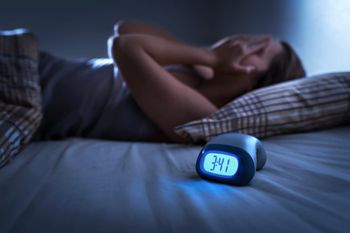
Patients with unrestful sleep had significantly reduced health-related quality of life and significantly more depressive symptoms.

The risk of ischemia heart disease was significantly higher in the SLE cohort when compared with controls, with risks peaking between the 6th and 9th year post-diagnosis.
The rheumatology month in review highlights a program developed by Janssen to support health equity, the increased risks pregnant women with rheumatic diseases face, and trends in fibromyalgia management.

While most patients were interested in an online wellness program for managing their psoriatic arthritis, barriers, such as cost and fatigue, hindered their initiation of lifestyle adaptations.

Patients in the land- and water-based exercise intervention groups demonstrated greater improvements in fatigue when compared with controls.
More than 90% of respondents reported being “somewhat likely” or “very likely” to speak with an online coach ≥2 per week or spend 1 – 2 hours per week learning about lifestyle behaviors if given the opportunity.

The study stresses the need for better communication with patients and the impact of stress on both the rheumatic disease and mental health.