

After a 12-week gap, 5% of patients returned to pegloticase and responded well.
Lana Pine is the editor of HCPLive Rheumatology. She is an experienced editor and technical writer with a demonstrated history of working in the banking and publishing industries. In her free time, she enjoys cooking, yoga, listening to podcasts, and drawing. She can be reached via email at LPine@mjhlifesciences.com.
After a 12-week gap, 5% of patients returned to pegloticase and responded well.

At the 7-month mark, multivariate analysis revealed patients with psoriasis aged ≥65 years reported a significantly better response to tildrakizumab.

Syndesmophyte development was 4 times more probable when patients had a clinical or radiographic description of axial involvement combined with elevated C-reactive protein.

David Charles, MD, highlights how alternative funding programs, though well-intentioned, can inadvertently erode trust between patients and providers and cause delays in healthcare.
Stacie Bell, PhD, discusses the partnership between Lupus Therapeutics and AbbVie for the phase 3 clinical program of upadacitinib in patients with SLE, emphasizing the importance of collaboration and their role in accelerating the study process, recruitment, and the potential for meaningful advancements in lupus treatment.

Rosalind Ramsey-Goldman, MD, discusses her study, “The impact of US abortion policy on rheumatology clinical practice: a cross-sectional survey of rheumatologists.”
V Michael Holers, MD, discusses the creation of Rheumatology Lab in response to a pressing need within the clinical practice community to provide an easily accessible resource for physicians to guide patients to valuable information.
Robert Edwards, PhD, discusses how cognitive behavioral therapy effectively reduced pain catastrophizing and improved quality of life in patients with fibromyalgia.

The FDA has expanded the approval of abatacept (Orencia) for the treatment of active psoriatic arthritis in patients aged 2 years and older.
Ruth Napier, PhD, discusses her study revealing the crucial role the biomarker Card9 plays in the pathogenesis of ankylosing spondylitis.

Achievement of minimal disease activity and remission were observed in approximately half of patients with psoriatic arthritis receiving upadacitinib.
The approval of the intravenous formulation of secukinumab allows healthcare providers to better tailor treatment to their patients’ unique needs.

While the results showed a high prevalence of suspected musculoskeletal symptoms in patients with psoriasis, only a small number were due to psoriatic arthritis.

Hematologic malignancy was not affected by the type of biologics prescribed, treatment patterns, comedications, comorbidities, or cumulative defined daily doses.

In patients initiating allopurinal, adverse events were more common in those receiving concomitant colchicine or nonsteroidal anti-inflammatory drugs compared to those without prophylaxis.

The Patient Self-Report Survey for the Assessment of Fibromyalgia illustrated its accuracy in determining pain sensitivity and psychological factors in patients with shoulder or low back pain.
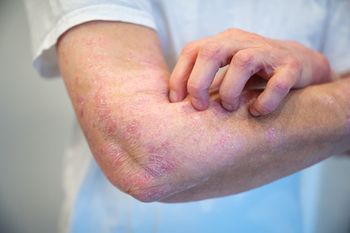
Patients with psoriatic disease have a significantly higher risk of developing a variety of autoimmune diseases, as indicated by the Charlson Comorbidity Index.

Self-injection of bimekizumab was generally well tolerated among patients with psoriatic arthritis.

Retention rates for golimumab treatment at the 5-year mark were consistently high when used as a first-line therapy and did not significantly differ across conditions.

The overall cardiovascular burden was significantly higher in the fibromyalgia cohort when compared with the general Italian population.

At week 52, sustained remission was observed in significantly more patients receiving sarilumab compared with placebo.

A systematic literature search reported an increase in both publications and cases of spinal gout.

Although the dietary intervention did not significantly reduce overall serum urate, it did decrease levels among those with baseline hyperuricemia.

Despite commonly understood symptoms and efficacious treatments, the stigmatizing nature of gout has caused significant setbacks to curbing its impact on Americans.

At the 6-month mark, a significant reduction was reported in both the widespread pain index and the symptom severity scale in patients with fibromyalgia undergoing a gluten-free diet.

Of the 333 patients with PsA and 457 patients with axSpA, there were 1.09 serious infections per 100 patient years (95% CI .85 – 1.35).

Patients diagnosed with psoriatic arthritis and obesity were older, more frequently women, had worse pain, physical function, and health-related quality of life, and had higher tender joint and enthesitis counts when compared with nonobese patients.

Of the 130 patients with psoriatic arthritis who participated in a telemedicine assessment, 83% were happy with the consultation.

Changes in the serum urate levels, number of gout flares before 1 year of treatment, and tophus were linked to the number of gout flares.
At week 52, patients in the bimekizumab cohort demonstrated sustained clinical responses, which were consistent with results reported at week 16.