

All assessed outcomes revealed the treatment effects were significantly better in the external herbal medicine group compared to the control group.
Lana Pine is the editor of HCPLive Rheumatology. She is an experienced editor and technical writer with a demonstrated history of working in the banking and publishing industries. In her free time, she enjoys cooking, yoga, listening to podcasts, and drawing. She can be reached via email at LPine@mjhlifesciences.com.
All assessed outcomes revealed the treatment effects were significantly better in the external herbal medicine group compared to the control group.

In patients receiving guselkumab, achieving NAPSI 0/1 at week 24 and week 48 was associated with lower baseline NAPSI and week 16 PASI.

Nehad Soloman, MD, believes acknowledging the cultural and social dynamics impacting patients' healthcare decisions and establishing a personal connection with patients can help overcome initial barriers to care.

Patients with fibromyalgia receiving CBT experienced significant improvements in pain interference and larger decreases in pain catastrophizing post-treatment.

Fatigue was positively correlated with the frequency, duration, severity, and chronicity of migraine episodes, as well as excessive daytime sleepiness.

JB Boone, MD, explains the progress being made towards more personalized medicine in patients with rheumatoid arthritis, as well as the current challenges.
JB Boone, MD, explains PrismRA, a predictive tool designed to determine whether a patient will likely have an inadequate response to a TNF inhibitor.

Significantly greater improvements in back pain and morning stiffness were observed in patients receiving ixekizumab compared with placebo.
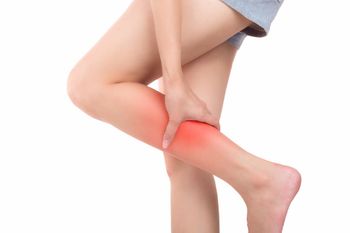
Males in the highest serum uric acid tier were significantly more likely to be diagnosed with peripheral artery disease, although a similar trend was not observed in female patients.

The incidences of stroke, ischemic heart disease, or heart failure were slightly higher in patients with gout when compared with controls.

Continued reductions in serum acute phase proteins and collagen degradation proteins observed in patients with psoriatic arthritis receiving guselkumab may be linked to sustained symptom improvements.

Investigators believe a more consistent application of disease activity measures may help to guide treatment decisions and improve quality of care.

Significantly more patients receiving voclosporin had a good renal outcome, defined as achieving adequate response with no renal flare, compared with controls.

A lower proportion of patients in the belimumab treatment group experienced ≥1 kidney flare compared with placebo in the overall population.

Patients with IBD-RA and depression were younger, more likely to be female, and were more frequently White compared with controls.

A higher number of patients receiving guselkumab treatment reported ≥1 improvement as early as week 4, which continued to improve through week 24.

Jeffrey Sparks, MD, MMSc, discusses what rheumatologists need to know about treating challenging cases of rheumatoid arthritis as well as the risks and benefits of more aggressive treatment strategies.
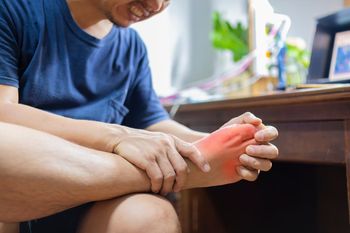
After stratifying for gender, age, and ethnicity, hyperuricemia remained positively associated with nephrolithiasis.

Patients receiving TNF, JAK, and CTLA4-Ig all demonstrated higher discontinuation rates due to ineffectiveness when compared to aIL-6R treatment.

Markets with an increased number of rheumatologists had lower costs per patient for emergency room visits and hospitalization compared to areas with a low supply.

A low certainty of clinically relevant positive effects of aerobic and mixed exercise training for reducing mobility difficulties was observed in patients with fibromyalgia at the end of the intervention.

The subscales presenting the highest scores in patients with fibromyalgia were foot pain and symptom intensity.

Cardiorespiratory and muscular parameters were improved after exercise rehabilitation in patients with long COVID, patients with fibromyalgia, and those with coronary artery disease.

Reduced 12-month drug retention rates were seen in patients with concurrent use of hydroxychloroquine, intravenous bDMARD use, and a history of discontinuation of the drug within the first 3 months of the pandemic.

The strongest predictors of hyperuricemia were body mass index, lipid accumulation product, and visceral adiposity index.

No statistical differences in pain or quality of life were observed between patients with fibromyalgia receiving posterior tibial nerve stimulation intervention and controls.

At week 24, patients receiving guselkumab had significant decreases in C-reactive protein and effector cytokines linked to the interleukin-23 (IL-23)/IL-17 levels compared with patients in the placebo cohort.

Although gout was not associated with hearing loss, hyperuricemia was significantly linked to impairment.

Osteoporosis is estimated to affect 595 million patients worldwide, representing a 132% increase in total cases since 1990.
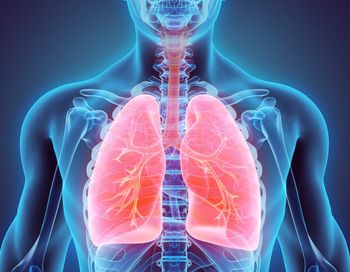
Guidelines aim to help the identification of ILD in patients with rheumatic disease and aid in improving the management of patients.