

In long-term follow-up of KEEPsAKE 1 and 2, risankizumab maintained joint, skin, pain, and axial responses in patients with PsA through 244 weeks.
Lana Pine is the editor of HCPLive Rheumatology. She is an experienced editor and technical writer with a demonstrated history of working in the banking and publishing industries. In her free time, she enjoys cooking, yoga, listening to podcasts, and drawing. She can be reached via email at LPine@mjhlifesciences.com.
In long-term follow-up of KEEPsAKE 1 and 2, risankizumab maintained joint, skin, pain, and axial responses in patients with PsA through 244 weeks.

Delayed specialist referral can result in decades of unnecessary pain and joint damage for patients with gout.

This feature highlights the views of 3 experts on the integration of patient-reported outcomes into the management of psoriatic disease.

Results showed comparable clinically meaningful improvements in health-related quality of life among patients treated with the adalimumab reference product and biosimilar adalimumab-adbm.
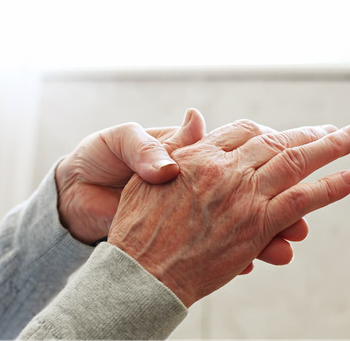
Results showed particular heavy metals increased the risk of arthritis.
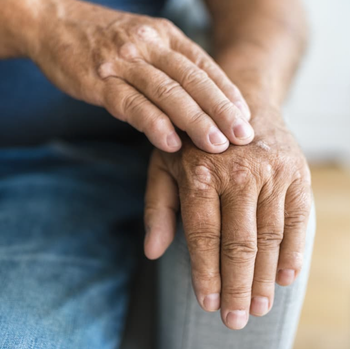
Subjects reported pain at the injection site was significantly reduced with the One-Press autoinjector pen and 98% chose the pen as their preferred medication delivery system.
The most commonly reported symptoms were bodily pain, joint tenderness and swelling, and joint pain.

The study highlighted the potential role of shared decision-making in building trust in physicians among patients with SLE.

Prolonged gout, repeated flares, and severe pain impact the psychological status of patients.

Responders at week 104 demonstrated more significant changes from baseline and achieved normative values in PROs compared with non-responders.

Inverse variance weighting showed beef intake, iron intake, process meat intake, cheese intake, and fresh and dried fruit intake were strongly linked to inflammatory arthritis.

Among patients with fibromyalgia, there was a moderate negative correlation between vitamin D and physical functioning as well as between magnesium and stiffness.
The rheumatology month in review highlights the significance of early diagnosis in managing fibromyalgia, the prevalence of sexual dysfunction in patients with arthritis, and the impact of physical activity on arthritis symptoms.

Patients with inflammatory arthritis experiencing “long COVID” reported significantly worse disease activity.

Patients with lower levels of physical activity had higher levels of fatigue and a higher risk of sarcopenia.
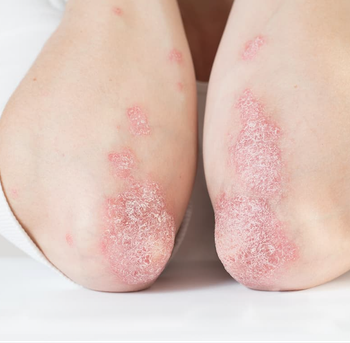
PASI100 was achieved by 41.7% of patients at week 16 and 70.6% at week 260.
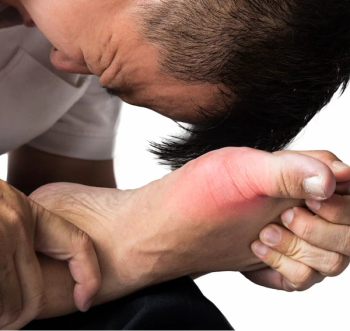
Although half of participants strongly agreed that gouty arthritis is painful and can cause anxiety, only 15.28% agreed on the importance of dietary intake as a means for prevention.

Vitamin D insufficiency was linked to reduced muscle strength, increased pain, higher disease activity, fatigue, and worsened disease outcomes.
Most men (91.7%) and women (72.7%) with psoriatic arthritis exhibited sexual dysfunction.

A predictable, structured routine was shown to promote consistent treatment adherence among a cohort of patients with gout.

Higher PROs, which were indicative of worse disease activity, were more likely to be reported in the spring and fall months.
The number of prevalent gout cases is projected to reach 95.8 million by 2050, with population growth cited as the largest contributor.

Independent predictors of physical activity avoidance were anxiety symptoms—as determined by HADS—and the SF-36 Physical Component Score.

Erectile dysfunction was significantly linked to arthritis and remained significant even after adjustment.

At the end of the intervention period, all patients displayed a significant reduction in weight of approximately 3 BMI points.

At week 24, 20% of patients were able to achieve gout remission. This percentage increased to 47% at week 52.

The mean percentage change from baseline in lumbar spine bone mineral density was comparable between treatment groups at 18 months.
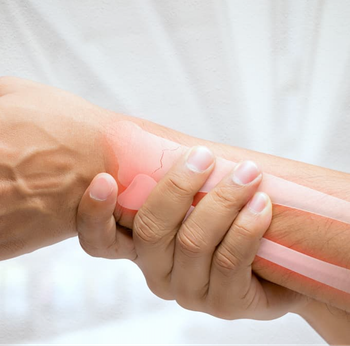
Patients with RA had an increased risk of fractures compared with controls, with significant baseline predictors for future fractures identified as higher age, low body mass index, and low bone mineral density.

Factors independently associated with persistently active RA included age, gender, previous or current smoking status, and social deprivation.

Jacques-Eric Gottenberg, MD, PhD, discusses the encouraging results of a phase 2 study evaluating nipocalimab for the treatment of Sjögren's syndrome.

October 28th 2021

December 3rd 2021