

Take 5 minutes to catch up on Rheumatology Network's highlights from the week ending December 10, 2022.
Lana Pine is the editor of HCPLive Rheumatology. She is an experienced editor and technical writer with a demonstrated history of working in the banking and publishing industries. In her free time, she enjoys cooking, yoga, listening to podcasts, and drawing. She can be reached via email at LPine@mjhlifesciences.com.
Take 5 minutes to catch up on Rheumatology Network's highlights from the week ending December 10, 2022.

"Fibromyalgia is best managed as a chronic condition, with non-pharmacological therapies as the primary treatment and medications as an adjunct to symptom relief.”

Enrollment in the FIT Teens program, which began in January 2018, was paused in March 2020 to revise operations manuals, conduct remote treatment sessions to evaluate accuracy and fidelity, obtain regulatory approvals, and train staff on the new procedures.

The incidence of gout, the most common type of inflammatory arthritis in men, has increased globally in recent decades.

“Respiratory tract infections constitute the most common infections in patients with rheumatic diseases, especially under immunosuppressive treatment,” investigators explained.

Although previous studies have indicated differential effects on cardiovascular risk between immunomodulators, results showed similar reductions across both treatment groups.

Mymee, a self-advocacy platform, utilizes technological innovation, such as self-tracking, data analytics, and expert health coaching, to improve access and offer hope to these patients by uncovering their unique triggers, managing disease flares, and improving quality of life.

"Discovering your unique triggers can feel frustrating but with the right tools and support, it is possible to find answers," Hinton-Green emphasized. "You don’t have to do it alone."

Enrollment in clinical trials across all disease states, particularly in lupus, continues to be an ongoing challenge.
Take 5 minutes to catch up on Rheumatology Network's highlights from the week ending December 3, 2022.

Dall'Era notes that it is important for rheumatologists to understand that the current endpoints for SLE clinical trials, such as SRI-4 and BICLA, are complex and imperfect.

The findings emphasize the severity of the potential methotrexate access problem.
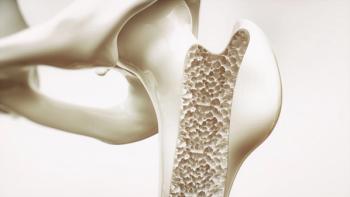
Results indicated that the incidence of osteoporosis increased up to 4 times in younger male patients with gout when compared with those without gout.

Investigators strive to learn more about whether mTORC1 inhibitors are a feasible approach for treating patients with systemic JIA.

Fibromyalgia commonly presents as widespread pain, physical, and cognitive symptoms. Unfortunately, it often manifests differently among patients and can be difficult to diagnose and treat.

Identifying the current prevalence and effect of fatigue on patients with psoriatic arthritis may lead to new strategies designed to manage this commonly-reported symptom.

Take a few minutes to catch up on the latest rheumatology news for the month of November 2022.

Results indicated that vaccine response with the standard regimen dramatically low; however, both novel strategies were able to significantly improve response.

“These are people with autoimmune conditions who are taking immunomodulatory drugs that affect their immune system,” Mudano emphasized. “It's been shown that they may have worse outcomes if they do get COVID. So, it's important that they know that they really need this vaccine.”

Although the ACR and EULAR have introduced guidelines for initial treatment of Takayasu Arteritis, Robert Maughan, PhD, explains that there is little to no data available to guide decisions.

DISCOVER-2 is a phase 3, randomized, double-blind, multicenter study assessing the safety and efficacy of subcutaneous guselkumab treatment in biologic-naïve patients with active PsA.
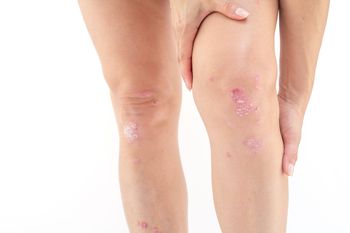
“The data continue to validate our hypothesis that izokibep offers differentiated efficacy with high potency and small size and reinforces izokibep’s potential to manage the hard-to-treat manifestations of PsA."

As cannabis use continues to rise worldwide, investigators question its role in treating fibromyalgia, a common pain syndrome that affects women twice as much as men.

Take 5 minutes to catch up on Rheumatology Network's highlights from the American College of Rheumatology Convergence 2022.

Personalizing non-pharmacological treatment for patients with fibromyalgia using a targeted symptom approach may improve outcomes.

Nowell emphasized that simple changes, such as targeted walking goals and meditative breathing, are low energy and low cost, yet extremely effective.

“There's a real interest and need for wellness programs out there among people living with psoriatic arthritis. This is something that matters to them even more now living with a chronic disease.”
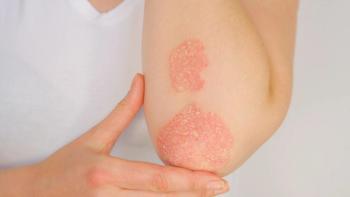
Deucravacitinib showed sustained efficacy in the various outcomes in psoriatic arthritis and a unique and consistent safety profile.

Two methods of identifying patients with axPsA, including an artificial intelligence approach, reported nearly identical outcomes with positive improvement of symptoms of axPsA.

Investigators used interviews, performed in a patient’s preferred language and transcribed verbatim, to better uncover and understand what matters most to the Hispanic population.