































































Rheumatoid Arthritis
Latest News
Advertisement
CME Content
Advertisement
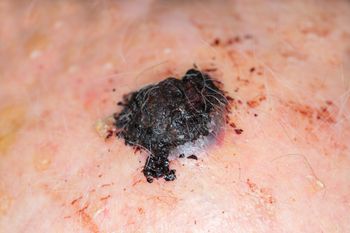
Researchers writing in JAMA Dermatology this week report that patients with inflammatory bowel disease, rheumatoid arthritis, and psoriasis who are treated with biologics may have a "clinically meaningful" increase in melanoma risk, but the jury is still out.

There is no significant association between biologic exposure and the development of melanoma in patients with IBD, rheumatoid arthritis, or psoriasis.
Data collected by doctors in Italy when the country was hit by COVID-19 should allow rheumatologists to feel more comfortable in advising patients with chronic arthritis to continue taking immunosuppressive targeted therapies. The data show that chronic arthritis patients treated with DMARDs do not seem to be at increased risk of respiratory or life-threatening complications from SARS-CoV-2.
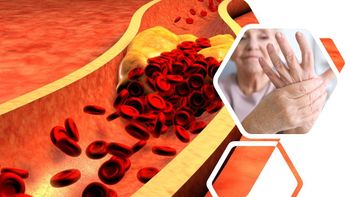
Risk factors for cardiovascular disease such as hyperlidipaemia are not being picked up and managed in patients with rheumatology arthritis because it often falls through the gap between rheumatology and primary care provision.

Patients with severe and progressive rheumatoid arthritis are at risk for joint damage and deformities, especially of the hands, including ulnar deviation and swan neck deformities. In this quiz, we ask five questions on recognizing and treating aggressive rheumatoid arthritis.

Seeing a rheumatologist within 6 weeks did not reduce the severity of radiographic progression.

Mortality rates do not increase for inflammatory bowel disease patients who are exposed to JAK inhibitors.

Abatacept (Orencia, Bristol Myers Squibb), a T-cell co-stimulation modulator for the treatment of rheumatoid arthritis and juvenile idiopathic arthritis, appears to lower the risk of diabetes mellitus in patients with rheumatoid arthritis who are receiving biologic or targeted synthetic DMARDs.

In this quiz, we highlight new developments in research for rheumatoid arthritis that touch on comorbidities, treatment effectiveness, pregnancy complications and more. Take our quiz here.

COVID-19 is being treated with treatments designed for rheumatoid arthritis. They have their pros and cons. Learn more in this article.

The American College of Rheumatology has issued a series of COVID-19 guiding principles for healthcare professionals who treat patients with rheumatic disease. In this quiz, we highlight a few of the key points the organization, and other healthcare experts, have made in recent weeks.

The American College of Rheumatology recommends treating rheumatoid arthritis early in order to increase the chances of achieving and sustaining remission. Take our clinical quiz to learn more.

The risk of dying from a cardiovascular event can increase by 50 percent for rheumatoid arthritis patients with low serum folate levels, report researchers in JAMA Open Network.

Early rheumatoid arthritis is, in part, defined as having symptoms for at least six months. Beyond six months, it's considered established rheumatoid arthritis. But diagnosing early rheumatoid arthritis is not that straightforward. Serologic tests can confirm a clinical diagnosis, but these tests aren't always reliable and can be negative in about 50 percent of rheumatoid arthritis cases. In this quiz, we focus on the diagnosis and treatment of early rheumatiod arthritis.

The findings can lead to new policies, procedures, and programs being implemented at health systems.

Respiratory viral infections can be a novel environmental risk factor for the development of rheumatoid arthritis, find Korean researchers writing in Arthritis Research and Therapy.

What is the connection (if any) between coronavirus and autoimmune diseases? In this slideshow, we feature some points of view from rheumatology experts in the field, including Dr. Jean Liew of the University in Washington, Seattle, who told CreakyJoints that patients with inflammatory arthritis are probably more susceptible to the coronavirus and are at higher risk of complications like pneumonia.

A two-pronged vaccination approach performs better than a single pneumococcal vaccination in patients receiving conventional DMARDs or abatacept-treated patients, but not in patients receiving rituximab, say researchers writing in Arthritis Research & Therapy.

Providers who care for patients with asthma or COPD need to be aware of the increased risk of rheumatoid arthritis.

Bone mineral density was preserved over a three-year period in patients with rheumatoid arthritis treated with biological/targeted synthetic disease-modifying antirheumatic drugs (DMARDS) but declined in those who received only conventional-synthetic DMARDs, say researchers recently writing in Rheumatology.

Research from the University of Texas examines how serum folate levels above or below a certain level were linked to an increase in cardiovascular mortality.
Advertisement
Advertisement