



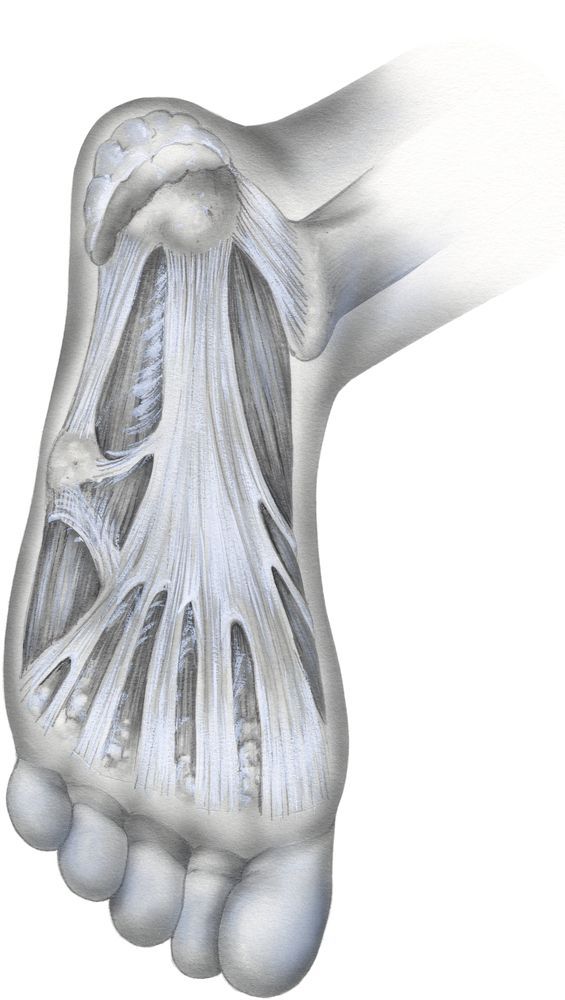
























































Redefining disease remission or inactivity examined in this assessment by Laura Coates of the University of Leeds.
Redefining disease remission or inactivity examined in this assessment by Laura Coates of the University of Leeds.

Experts now believe that psoriatic arthritis should be considered a risk factor for cardiovascular diseases, including stroke.
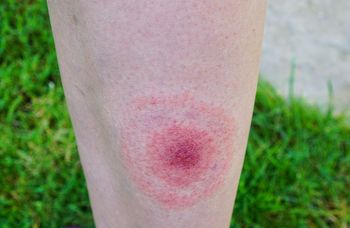
When a patient presents with a history of Lyme disease and joint pain, refractory Lyme arthritis seems reasonable, but then, this study warns of systemic arthritis after a Lyme disease infection.
A retrospective analysis of patient records has found a significant link between psoriatic arthritis and malignant cancer – particularly breast cancer.

Tumor necrosis factor inhibitors have transformed the treatment of psoriatic arthritis. However, switching TNF inhibitors two or three times is not uncommon.

Epidemiological evidence points to an intimate relationship between intestinal inflammation and joint inflammation, such as psoriatic arthritis.
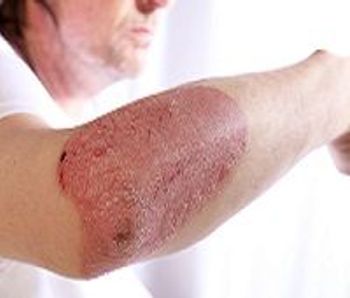
A small British study indicates that the use of several immunosuppressive agents can restore the effectiveness of ustekinumab (Stelara) in patients with psoriasis and psoriatic arthritis.

Analysis of data from 2 large trials finds that cutoffs used to separate different “disease activity states†on the Disease Activity index for Psoriatic Arthritis (DAPSA) are valid. Different disease activity states are associated with different degrees of functional impairment and joint damage progression.
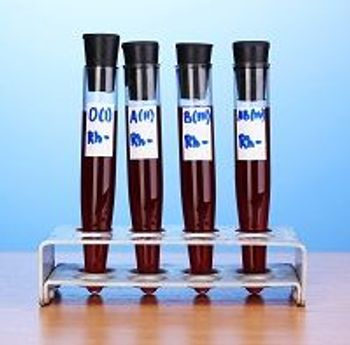
An observational study of psoriatic arthritis patients indicated that initial levels of C-reactive protein are correlated with a poor response to disease modifying anti-rheumatic drugs and the eventual need for treatment with tumor necrosis factor-alpha inhibitors.



Rheumatoid arthritis, psoriatic arthritis and ankylosing spondylitis are linked with an increased risk of complications from total knee arthroplasty, AAOS 2016 study finds.

Research points to evidence showing that microorganisms inside our bodies could play a role in the development of arthritis, but it could also be a new therapeutic pathway.

Blood analysis in patients with inflammatory rheumatic diseases such as psoriatic arthritis indicates that biologic medications do not reduce the efficacy of anti-pneumococcal polysaccharide vaccine, and that patients with such conditions may not need to be vaccinated more frequently than others.

Biologic drug secukinumab (Cosentyx/Novartis), already FDA approved in January 2015 to treat chronic plaque psoriasis, has now been approved for two new indications: the treatment of active ankylosing spondylitis (AS) and active psoriatic arthritis (PsA).

A new patient registry analysis assessed whether there were any significant differences in outcome between combination therapy and monotherapy in patients with psoriatic arthritis.
The development pipeline for psoriasis in summary.
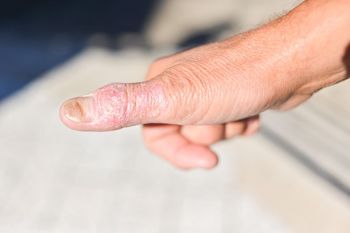
New research clarifies the presentation and treatment of nail psoriasis for rheumatologists, dermatologists and general practitioners.
The first level in management of nail psoriasis is patient education.

Psoriatic arthritis is associated with an additional increase in cardiovascular disease. One hypothesis shows that rheumatic diseases and atherosclerosis may be related due to an inflammatory mechanism.

T cell activator associated with psoriatic arthritis but not psoriasis.

Longer intervals between injections of anti-TNF drugs in patients with psoriatic arthritis is "safe, effective, cost-effective, and facilitates patient compliance," according to researchers.
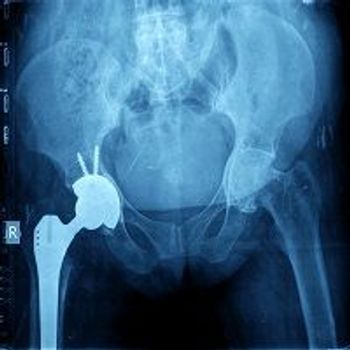
A study of patients undergoing total hip arthroplasty found that patients with psoriatic arthritis face no greater risk of poor outcomes than patients who get hip replacements because of osteoarthritis.

Study shows that patients with psoriatic arthritis and cutaneous psoriasis could be good candidates for total hip replacement.

Regulators in the UK have decided not to recommend apremilast as an alternative to DMARD therapy in patients with psoriatic arthritis.