

Results of the PREVENT CLOT study indicate use of aspirin was as effective as low-molecular-weight heparin for reducing incidence of mortality in patients hospitalized with a traumatic fracture.
Patrick Campbell is the editorial director of HCPLive. Patrick has spent years spearheading coverage surrounding cardiometabolic health and rheumatic disease for MJH Life Sciences. Before joining MJH Life Sciences in 2019, he spent time as a beat reporter and/or multimedia specialist with the Pocono Record, Star News Group, and NJ Advance Media. He is the executive producer for multiple HCPLive podcasts, including Diabetes Dialogue, Don't Miss a Beat, Kidney Compass, Medical Ethics Unpacked, The Medical Sisterhood, and Skin of Color Savvy.
Follow him on Twitter @RealPatCampbell or reach him via email at PCampbell@mjhlifesciences.com.
Results of the PREVENT CLOT study indicate use of aspirin was as effective as low-molecular-weight heparin for reducing incidence of mortality in patients hospitalized with a traumatic fracture.
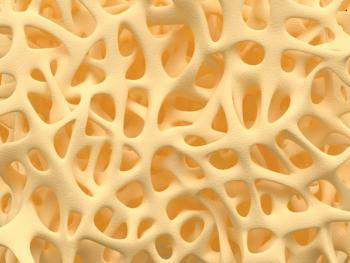
A systematic review and meta-analysis of observational studies of people with diabetes suggest more than 1-in-4 also had a diagnosis of osteoporosis.
Released on January 3, the American College of Physician's living osteoporosis guideline represents the organization's first update on the topic since 2017 and includes 6 specific recommendations for pharmacologic management of osteoporosis or low bone mass.

A systematic review and meta-analysis assessing more than a dozen double-blind, placebo-controlled trials evaluating cannabis-based products for pain relief suggest these studies were the recipient of a disproportionate level of media coverage that was not associated with the results of each study.

Deepak Bhatt, MD, MPH, discusses a posthoc analysis of the ORAL Surveillance trial examining drivers of increased cardiovascular risk observed in the phase 3b/4 trial in patients with rheumatoid arthritis.


A trial comparing a 1-week methotrexate hold following seasonal influenza vaccination against the standard 2-week hold among patients with rheumatoid arthritis using methotrexate suggests there were no significant differences in positive vaccine response with either approach.

Data from a phase 2 trial presented at ACR Convergence 2022 provides clinicians with insight into the effects of deucravacitinib, a TYK2 inhibitor, in patient populations with systemic lupus erythematosus.

A systematic review and meta-analysis presented at ACR Convergence 22 provide insight into the effects of belimumab in patient populations with cutaneous lupus erythematosus, with or without systemic lupus erythematosus.


An analysis of data from a Cleveland Clinic database indicates calcium supplementation in older adults with aortic stenosis was linked to an increased risk of mortality and worsening aortic stenosis.
On April 20, the UK National Osteoporosis Guideline Group released updated guidance for the diagnosis, prevention, and treatment of osteoporosis, which has received endorsements from the IOF and ESCEO.
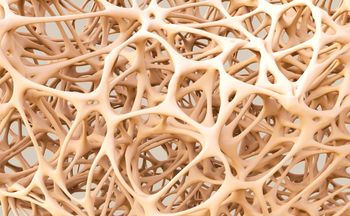

“Kawasaki disease continues to be an area of evolving understanding in clinical treatment,” said Mark Gorelik, MD, lead investigator of the guideline.

The AHA released a statement related to use of oral penicillin for patients with high-risk rheumatic heart disease, including patients with severe mitral stenosis, aortic stenosis, left ventricular systolic dysfunction, or active symptoms of rheumatic heart disease.
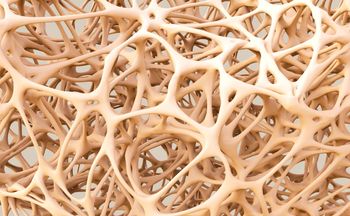
An analysis of data from more than 50k patients using risedronate or alendronate from Ontario compares the risk of hip fracture and other outcomes during drug holidays.
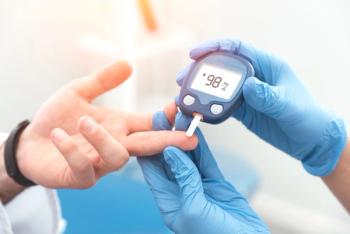
While statin initiation was associated with reducing the risk of cardiovascular disease, it may increase in the risk of developing diabetes in patients with rheumatoid arthritis.
A propensity score-matched analysis comparing fracture risk associated with the initiation of SGLT2 inhibitors versus GLP-1RAs or DPP-4 inhibitors indicates use of SGLT2 inhibitors was not associated with an increase in risk of fractures in older patients with type 2 diabetes.

An analysis of more than 1.2 million patients who experienced a fracture from 1997-2017 provides insight into contemporary trends in fracture incidence rates based on presence of diabetes.
A phase 2 trial presented at ASBMR provides insight into the effects of oral PTH tablets on bone health among postmenopausal women with osteoporosis.

An analysis of patient data from a national registry in Denmark indicates use of alendronate was associated with reductions in odds of developing type 2 diabetes, with this reduction becoming greater with longer use of the osteoporosis medication.
The organization's first update since their 2010 position statement, the osteoporosis position statement reflects more than a decade of advances in knowledge related to diagnosis and management of osteoporosis.

A study from the University of South Australia assessing the impact of high-dose, short-term caffeine consumption suggests increased consumption could increase renal calcium clearance by 77% in healthy patients.
Using data from more than 2000 patients followed for 16 years, a Garvan Institute of Medical Research-led team found cognitive decline in older women could help predict bone loss and fracture risk among these patients.

An analysis of data from more than 1000 women in Australia suggests each incremental increase in abdominal aortic calcification was linked to a 3% increase in risk of fall-related hospitalizations.
An analysis of data from the Women's Health Initiative provides an overview of the risk of subsequent fracture seen among women with a history of traumatic versus nontraumatic fracture in postmenopausal women.
Analysis indicates women with thinning or weakened bones were at an increased risk of atherosclerotic cardiovascular disease events.

An analysis of data from more than 12,000 women in Asia is shedding new light on the prognostic value of BMD for predicting risk of atherosclerotic cardiovascular disease in aging women.
A new study is challenging the notion that certain types of fractures, such as lower arm or wrist fractures, do not signal increased risk of subsequent fractures among postmenopausal women.
A case-controlled study of 60 patients in the United Kingdom found presence neuropathy contributes to fracture risk in patients with type 1 diabetes but found other factors play a role in the increased risk among these patients.