
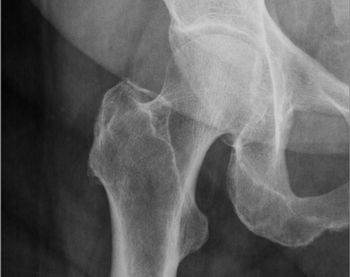
Despite lower length of stays, costs of hip fracture surgeries have been on the rise in recent years and a new study suggests it could be linked to increased hospital charges rather than increased surgeon charges.
Patrick Campbell is the editorial director of HCPLive. Patrick has spent years spearheading coverage surrounding cardiometabolic health and rheumatic disease for MJH Life Sciences. Before joining MJH Life Sciences in 2019, he spent time as a beat reporter and/or multimedia specialist with the Pocono Record, Star News Group, and NJ Advance Media. He is the executive producer for multiple HCPLive podcasts, including Diabetes Dialogue, Don't Miss a Beat, Kidney Compass, Medical Ethics Unpacked, The Medical Sisterhood, and Skin of Color Savvy.
Follow him on Twitter @RealPatCampbell or reach him via email at PCampbell@mjhlifesciences.com.
Despite lower length of stays, costs of hip fracture surgeries have been on the rise in recent years and a new study suggests it could be linked to increased hospital charges rather than increased surgeon charges.
Switching from 60 mg to 30 mg denosumab every 6 months could be an option for patients who have completed long-term denosumab therapy, according to the results of a new study from McMaster University.
A Mass General-led analysis of claims data indicates less than 1-in-10 patients who suffer a hip fracture were prescribed an osteoporosis treatment in the next 6 months, while also providing data on trends in prescribing practices of newer agents.
Using data from the Osteoporotic Fractures in Men study, new research suggests incorporating AAC scores and PVFx could help predict older men at increased risk of fractures.
An analysis of data from the Veterans Health Administration is providing insight into the apparent increase in risk of fracture or osteoporosis among older adults with kidney or ureteral stones.

An analysis of more than 30k middle-aged adults from a prospective cohort study in Sweden is providing insight into the effects of exercise and other variables on fracture risk in these patients.

A phase 2 trial from investigators in the UK suggests use of denosumab, a human monoclonal antibody, could drastically reduce the rate of revision procedures after hip replacements.

An analysis of data from more than 1.2 million Korean women offers insight into how reproductive factors might impact fracture risk among postmenopausal women.

An analysis of 34k patients over more than a decade indicates living alone after a hip fracture was associated with a 37% increase in mortality risk among men and a 23% increase in risk among women.

Results from a randomized trial suggest engaging in an exercise program following weight loss surgery could help protect against bone loss.

An analysis of more than 29k women from two medical centers in California is offering further insight into the effects of discontinuing bisphosphonate treatment in aging women.

A 600-patient trial suggests increased vitamin D supplementation was not associated with a decreased risk of falls but could increase risk of severe falls and fall-related injuries.
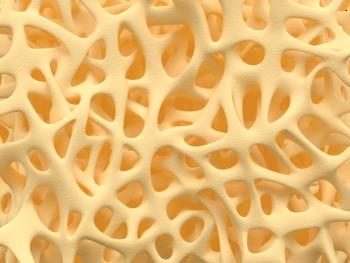
Dr. Jeffrey Curtis discusses osteoporosis data presented at ACR Convergence and the current state of osteoporosis management in 2020 in the latest edition of the Endocrine Outlook podcast.

Jeffrey Curtis, MD, MS, MPH, details how the perception of biphosphonates has been detrimental to efforts to improve treatment and diagnosis of osteoporosis.

In this interview, Jeffrey Curtis, M.D., of the University of Alabama at Birmingham, addresses osteoporosis in men. It's more common than physicians may realize. "It is often misconstrued as a disease that mainly, if not only, effects Caucasian women, which is not the case,” he said.
Jeffrey Curtis, MD, MS, MPH, offers his thoughts on the most effective methods to address the underdiagnosis and undertreatment of osteoporosis in older male patients.
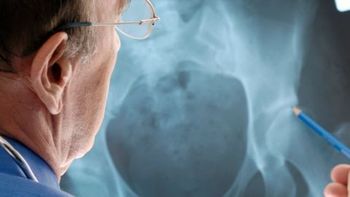
A new ACR study details the effects of romosozumab on bone mineral density gains when followed or preceded with antiresorptive medications such as alendronate or denosumab.

A study from ACR Convergence details the underdiagnosis and undertreatment of osteoporosis in older men.
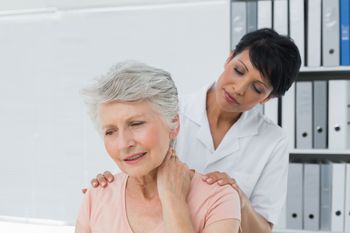
Results from a trial in England suggest fall prevention programs and interventions may not be reducing fall rates and fractures in older patients, but do point to other benefits from an exercise program.

An analysis of data from more than 65k patients suggests low-dose CT scans could provide an opportunity to screen for osteoporosis in older patients.
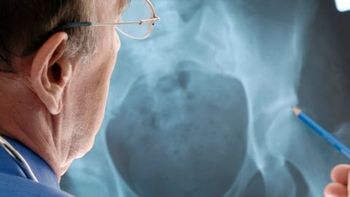
An analysis of data from 12k women in an ongoing Finnish study suggests obesity could signal increased risk for early hip fracture in postmenopausal women.
Results of a study from ASN Kidney Week 2020 suggests low bone mineral density rates among women with CKD varied according to kidney function and race/ethnicity.
An analysis of more than 240 postmenopausal women with osteoporosis offers a glimpse into potential predictors of osteosarcopenia in this patient population.

A recent analysis suggests increased exposure to inhaled or oral corticosteroids was linked to an increased risk of osteoporosis and fragility fractures.

An analysis of more than 140 patients from a hospital in Italy suggests spinal fractures could help predict which patients were at an increased risk for negative outcomes with COVID-19.
An analysis of GoogleAnalytics data suggests use of FRAX fracture risk assessments declined by 58% globally in April 2020 compared to February 2020.

An analysis of 22k prostate cancer patients over a 15-year period suggests less than 1-in-4 undergo bone mineral density testing after androgen deprivation therapy.
An analysis of data from 4 decades offers insight into the impact of treatment advances and changes in risk factor management on incidence of hip fracture.
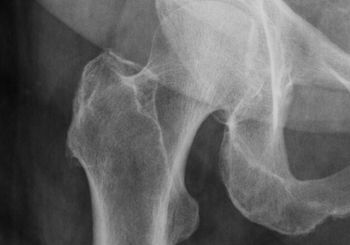
New analysis suggests use of FRAX score could improve the secondary prevention of fractures in patients with osteoporosis.

Data from the Women's Health Initiative Hormone Therapy trials presented at WCO-IOF-ESCEO 2020 details the reduced risk of fracture seen with hormone therapy in postmenopausal women.