

An analysis of data from 26 patients with repeat kidney biopsies in the AURORA program suggests voclosporin (Lupkynis) reduces proteinuria without causing harm in lupus nephritis patients.
Patrick Campbell is the editorial director of HCPLive. Patrick has spent years spearheading coverage surrounding cardiometabolic health and rheumatic disease for MJH Life Sciences. Before joining MJH Life Sciences in 2019, he spent time as a beat reporter and/or multimedia specialist with the Pocono Record, Star News Group, and NJ Advance Media. He is the executive producer for multiple HCPLive podcasts, including Diabetes Dialogue, Don't Miss a Beat, Kidney Compass, Medical Ethics Unpacked, The Medical Sisterhood, and Skin of Color Savvy.
Follow him on Twitter @RealPatCampbell or reach him via email at PCampbell@mjhlifesciences.com.
An analysis of data from 26 patients with repeat kidney biopsies in the AURORA program suggests voclosporin (Lupkynis) reduces proteinuria without causing harm in lupus nephritis patients.

An analysis of the MIRROR trial from ASN Kidney Week 2023 details the effects of urate-lowering therapy on blood pressure among patients with uncontrolled gout receiving pegloticase plus methotrexate in the phase 4 trial.

A cross-sectional study of survey data shows more than 50% of psoriasis and over 60% of psoriatic arthritis patients have depressive symptoms, with results drawing a link between functional impairment and the likelihood of depressive symptoms.

A 20 mg weekly oral dose of methotrexate shows potential as a low-cost treatment for reducing pain and stiffness in patients with symptomatic hand osteoarthritis, according to the results of the METHODS trial.

A recent study found initial monotherapy for chronic inflammatory arthritis yields better treatment persistence and safety relative to combination therapy.

A study on juvenile idiopathic arthritis emphasizes early initiation of biologic treatment for better long-term outcomes, as delayed treatment is linked to greater physical disability and worse quality of life in adulthood.

High-intensity interval training appears safe for individuals with psoriatic arthritis, as a study found no significant increase in inflammation assessed by ultrasound and MRI.

Study links inflammatory bowel disease diagnosis to increased gout risk, with Crohns disease and ulcerative colitis linked to 68% and 38% increases in likelihood of developing gout, respectively, relative to counterparts without IBD.
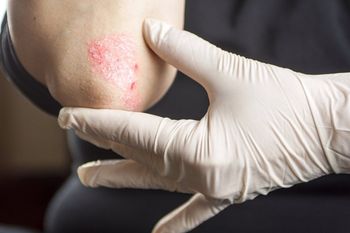
An interim analysis from the UPJOINT trial provides insight into the effects of upadacitinib use in real-world settings among patients with oligo- or polyarticular psoriatic arthritis.

A meta-analysis of 7 prospective or retrospective cohort studies conducted in Asia and Europe suggests a diagnosis of gout or hyperuricemia was linked to a lower risk of Alzheimer disease.

On August 29, 2023, the Biden Administration debuted the list of the first 10 drugs identified for price negotiation under the Inflation Reduction Act. The list, which includes agents indicated for diabetes, heart failure, GI conditions, and arthritis, accounted for more than $50 billion in spending during the evaluation period.

Leveraging data from a pair of commercial databases, a new study details the changes in febuxostat prescribing among patients with gout before, during, and after the FDA's addition of a Boxed Warning to prescribing information.

A retrospective analysis of nearly 150 patients with gouty arthritis in China provides further insight into the relationship between pathological ultrasound features and clinical signs and symptoms among this patient population.

An analysis of NHANES data is offering clinicians an overview of associations between hyperuricemia and gout with increased risk of mortality in patients with heart failure.

A prospective, nonrandomized trial has returned results indicating adolescents and young adults who undergo bariatric surgery experienced a decrease in bone density relative to their counterparts who opted for exercise and nutrition counseling.

NHANES data presented at EULAR 2023 offer insight into trends in the risk of mortality over a time period beginning in 1988 and lasting through 2016.

An analysis of the ORAL Surveillance trial details the efficacy of tofacitinib relative to TNF inhibition based on history of ASCVD and baseline cardiovascular risk.

Data presented at EULAR 2023 details the factors that matter most to patients with gout when considering the continuation or discontinuation of urate-lowering therapy after achieving clinical remission.
Noortje van Herwaarden, MD, PhD, discusses the results of a 10-year follow-up from the DRESS study and how it informs use of disease activity-guided dose optimization in treatment of rheumatoid arthritis.
George Karpouzas, MD, discusses the results of a study he presented at EULAR 2023 examining associations between bDMARD use and cardiovascular risk later in life.
A new-user, active comparator cohort study from EULAR 2023 suggests use of SGLT2 inhibitors could lower risk of recurrent gout flares in people with type 2 diabetes and gout compared to use of DPP-4 inhibitors.

A pair of studies presented at EULAR 2023 offer perspective on the potential for postpartum depression as well as symptoms of depression and anxiety during pregnancy among women with rheumatic disease.

A group of rheumatologists attending EULAR 2023 provide perspective on their concern regarding the potential threat posed by long COVID in patients with rheumatic disease.

An analysis of data from the phase 2 AURA-LV and phase 3 AURORA 1 trials provides new insight into the effects of voclosporin for the treatment of active lupus nephritis in patients with high proteinuria.

An analysis of DECT imaging from the MIRROR trial is providing clinicians with insight into the potential for urate crystal resolution and bone remodeling with pegloticase plus methotrexate in patients with uncontrolled gout.

An analysis of data from the APPLE study provides insight into the heterogeneity that exists within pediatric systemic lupus erythematosus patients.
An analysis of more than 20,000 people with type 2 diabetes suggests initiating therapy with an SGLT2 inhibitor, as a second-line treatment to metformin, was associated with a lower risk of developing gout relative to other second-line therapies.

An analysis of data from the phase 4 MOSAIC trail is providing clinicians with a greater understanding of the effects of apremilast in people with uncontrolled psoriatic arthritis.
Brian LaMoreaux, MD, discusses data from an analysis of the MIRROR trial examining the impact of pegloticase plus methotrexate on patient-reported outcomes and quality of life measures among patients with uncontrolled gout.

An analysis of 100 week data from the KEEPsAKE 1 and 2 trials presented at EULAR 2023 offers insight into the long-term effects of risankizumab use in people with psoriatic arthritis.