

An analysis of female adolescents admitted for anorexia nervosa found the condition could be linked to stunted growth.
Patrick Campbell is the editorial director of HCPLive. Patrick has spent years spearheading coverage surrounding cardiometabolic health and rheumatic disease for MJH Life Sciences. Before joining MJH Life Sciences in 2019, he spent time as a beat reporter and/or multimedia specialist with the Pocono Record, Star News Group, and NJ Advance Media. He is the executive producer for multiple HCPLive podcasts, including Diabetes Dialogue, Don't Miss a Beat, Kidney Compass, Medical Ethics Unpacked, The Medical Sisterhood, and Skin of Color Savvy.
Follow him on Twitter @RealPatCampbell or reach him via email at PCampbell@mjhlifesciences.com.
An analysis of female adolescents admitted for anorexia nervosa found the condition could be linked to stunted growth.

An analysis of physical activity from ages of 12-16 with bone mineral density at 25 years of age sheds light on the impact of increased high-intensity physical activity.

An analysis of 25 trials indicates SGLT2s and metformin did not increase fracture risk and did not negatively impact bone mineral density among type 2 diabetics.

New data suggests bone density measurement follow-ups within 3 years of baseline assessment are unnecessary and a potential misuse of resources.

New data is debunking the idea use of NSAIDs slow bone fracture healing in children.

A novel polygenic risk score could help identify patients at a low-risk of fracture from osteoporosis or fragility without need for additional screenings.

A new analysis is strengthening the safety profile of abaloparatide (Tymlos) in postmenopausal women to prevent risk of fracture.

A new analysis suggests DOAC use was associated with a lower risk of osteoporotic fracture than warfarin.

A new analysis of more than 100k type 2 diabetics from the UK is shedding light on prevalence of cardiovascular and noncardiovascular comorbidities versus nondiabetics.
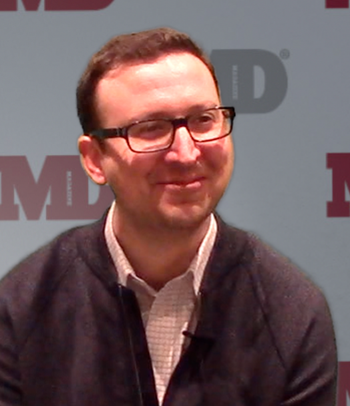
Medical director of Horizon Therapeutics discusses changes in rheumatology practices as a result of the ongoing pandemic.

A new analysis of data from Northwestern Medicine found some chronic inflammatory diseases were associated with a 7-fold increase in risk of heart failure.

Research from the University of Texas examines how serum folate levels above or below a certain level were linked to an increase in cardiovascular mortality.
The American College of Rheumatology have released guidelines for managing reproductive health that include 131 recommendations and 12 good practice suggestions.
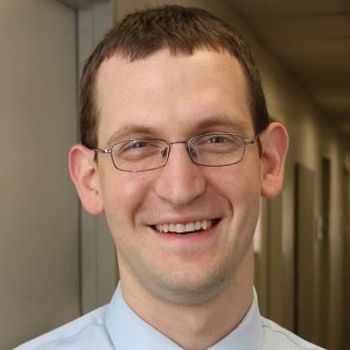
Compared with other antihypertensive medications, amlodipine was found to reduce risk of gout in older patients.

Biologics, JAK inhibitors, and opioid alternatives all served major payoffs in the field in the 2010s.

A new study from the University of Minnesota is shedding light on the potentially adverse impact warfarin use can have on bone health compared to DOAC therapies in patients with atrial fibrillation.

Richard Furie, MD, chief of the division of rheumatology with Norwell Health, discusses the results of a phase 2 trial examining obinutuzumab for lupus nephritis.
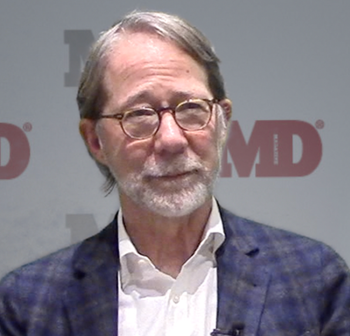
Philip Mease, MD, director of rheumatology research at the Swedish Rheumatology Research Group, discusses the current state of treatments for psoriatic arthritis.
Elaine Husni, MD, discusses the results of a trial she led examining quality of life changes in psoriatic arthritis patients receiving golimumab over a 1-year period.
John Sundy, MD, PhD, senior vice president of Inflammation and Respiratory Disease with Gilead Sciences, discusses the results of a pooled safety analysis examining phase 3 studies of filgotinib.

Raymond Douglas, MD, PhD, discusses teprotumumab and its potential for treating thyroid eye disease.

Peter Izmirly, MD, discusses the results of a trial he led examining the possible reduction in recurrence of congenital heart block from treatment with hydroxychloroquine at ACR 2019.

Renowned infectious disease expert Leonard Calabrese, DO, professor of medicine at the Cleveland Clinic Lerner College of Medicine, takes part in a Q&A on vaccinations in immunocompromised patient populations.
Aileen Pangan, MD, executive medical director of Immunology with AbbVie, discusses the results of the SELECT-AXIS 1 trial and what it indicates about upadacitinib as a treatment for ankylosing spondylitis.

Jianmin Fang, PhD, CEO and founder of Remegen Ltd., discusses the results of a phase 2b trial exmaining the use of telitacicept for the treatment of SLE.
Yusuf Yazici, MD, chief medical officer of Samumed, discusses SM04690(Lorecivivint) at ACR 2019.
John Sundy, MD, PhD, senior vice president of Inflammation and Respiratory Disease with Gilead Sciences, discusses the results of the 156-week analysis of filgotinib in RA patients.

Philip Mease, MD, Director of Rheumatology Research at the Swedish Rheumatology Research Group, discusses why he believes some rheumatologists are skeptical of JAK inhibitors and where they fit in current treatment algorithms.

Martin Bergman, MD, clinical associate professor of Medicine at Drexel University, discusses the results of a study examining prevalence of burnout among rheumatologists.
Full 52-week results of the SPIRT-H2H trial were presented during the late breaking session at ACR 2019.