

Findings provide a theoretical framework for the early diagnosis and treatment of heart disease in patients with gout, especially for older individuals and those with hypertension.
Findings provide a theoretical framework for the early diagnosis and treatment of heart disease in patients with gout, especially for older individuals and those with hypertension.
Laura Donlin, PhD, highlights the significance of identifying new subtypes of rheumatoid arthritis, emphasizing the potential for a paradigm shift in RA treatment toward personalized care and early interventions.

Patients with gout who did not experience recurrent flares had a shorter mean time between diagnosis and the start of urate-lowering therapy compared with those who had ≥1 flare.
Patients with gout achieving target serum uric acid levels showed good adherence to urate-lowering therapy, used antihypertensive agents, and lacked a family history of gout.
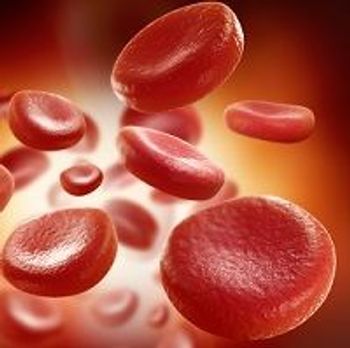
This analysis resulted in several valuable insights related to the landscape of gout patients’ changes in their blood immune cells between flares and periods of remission.
Waist circumference and high lipid levels were associated with poor disease outcomes in gout, including flares and failure to achieve treatment target.

This new data expanded upon research into gout’s molecular pathogenesis and into ULT for managing non-gout diseases such as hyperuricemia.
Patients with the highest Dietary Inflammatory Index have an increased risk of gout.

A virtual screening combined with experimental verification identified the potential mechanism of fuzitang decoction in the treatment of Gouty Arthritis.

Nonsteroidal anti-inflammatory drug use and prednisolone equivalent dose >5 mg per day were associated with an increased risk of NAFLD, whereas hydroxychloroquine use and prednisolone equivalent dose ≤5 mg per day were associated with a decreased risk of NAFLD.
SIRI emerged as a significant factor influencing acute gout attacks, shedding light on a prospective diagnostic tool.
Approximately one third of patients with temporomandibular disorders had comorbid fibromyalgia.
Results of a database search reveal the management of pain symptoms remains a continued source of frustration and an unmet need for patients with fibromyalgia.
In the November 2023 rheumatology month in review, our editorial team highlights ACR conference coverage, the latest updates in fibromyalgia, and advancements in patient care.
We kick off our annual recap series with some reflections from our expert advisory board, on topics ranging from AI and cell therapies, to semaglutide and RSV vaccines.
At 12 weeks, significantly more patients with fibromyalgia receiving the smartphone-based intervention reported clinical improvements compared with the control group.
Findings may be related to a variety of influences including a slower life pace during the pandemic and resilience to prolonged stressors.

In a new study, decreased plasma EGR1 protein levels and patients with fibromyalgia had a statistically significant relationship.

Resilience of participants with fibromyalgia had a stronger protective association among participants with average null or mild pain than with moderate or severe pain.
Common themes included preferring a standard list of symptoms, active training programs, and the desire for community.
Patients with juvenile onset fibromyalgia and joint hypermobility demonstrated poorer overall functioning compared with those without joint hypermobility.
A clinically significant percentage of patients with fibromyalgia in the immediate intervention group had greater improvements in quality of life compared with patients in the delayed cohort.
Fibromyalgia was 3 times more common among patients with rheumatoid arthritis and Long COVID.
As fibromyalgia impact increased, self-stigmatization scores increased proportionally.

Results demonstrated rumination induction after physical activity stunted patients’ recovery regarding discomfort and pain intensity compared with patients using a distraction method.

John Botson, MD, discusses his study examining real-world pegloticase plus immunomodulation co-therapy using data from an insurance claims database.

In a new study, patients with psoriasis had a 39.46% prevalence of being overweight and 37.41% prevalence of obesity—83.56% patients also dismissed the importance of having healthy balanced eating habits.

A new study suggests vitamin D2 supplementation on patients with psoriasis is superior to vitamin D3 supplementation, but there was no significant difference in heterogeneity.

At month 6, more patients in the AR882 75 mg cohort demonstrated complete resolution of ≥1 tophus compared with patients in the allopurinol cohort.
In this research presented at ACR 2023, investigators looked at potential factors which could predict flare risk after urate-lowering therapy initiation.