

Results call attention to the potential for early intervention and risk stratification for developing RA based on remnant cholesterol.
Results call attention to the potential for early intervention and risk stratification for developing RA based on remnant cholesterol.

Patients with rheumatoid arthritis who received acupuncture had a lower cumulative incidence of ischemic stroke compared to those who did not.
The group receiving Qingpeng ointment showed significant differences compared to the control group in VAS scores, joint mobility, and disappearance rate after treatment for acute gouty arthritis.
Electroacupuncture demonstrates superior analgesic effects and the ability to lower serum uric acid in patients with acute gouty arthritis when compared to conventional medication options.
Among other manifestations, patients with PsA and neuropathic pain tended to have higher leptin levels, poor sleep quality, and greater levels of fatigue.
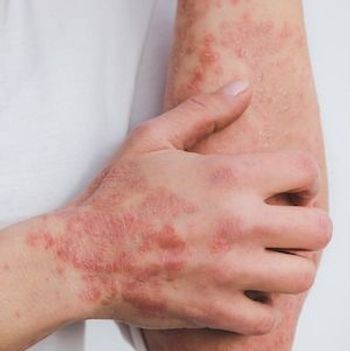
This retrospective cohort study suggests the potential benefits of greater use of screening, though additional research on these predictive factors may be necessary as well.

Patients with fibromyalgia have poorer accuracy for divided attention, mediated by sleep disturbance, according to a new study.
The ACR's Psoriatic Arthritis Guidelines provides comprehensive recommendations for managing active psoriatic arthritis and aims to assist clinicians and patients in making informed decisions tailored to individual situations. Test your knowledge with this quiz.

These data on the success of twice-daily, 5 and 10 mg doses of tofacitinib may help inform clinicians in their practice as well as the health community in general.

Multivariable analyses found genetic predispositions to overall rheumatoid arthritis with decreased sleep duration, as well as a significant genetic association between seropositive rheumatoid arthritis and insomnia symptoms.
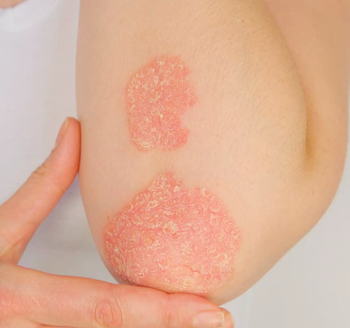
These findings on both remission and low disease activity suggest that some individuals in routine clinical practice may see benefits after extending treatment with etanercept past 12 weeks.
According to the analysis, eGFR, BMI, and waist circumference were the most important factors for hyperuricemia in individuals taking aspirin.
Higher serum urate levels at baseline were linked to higher rates of recurrent gout.

Patients with rheumatic disease treated with biosimilar SDZ ETN reported high treatment persistence at month 12 as well as comparable safety and efficacy.
Promising results of the phase 2 and 3 trials offer hope for patients with chronic and debilitating autoantibody-driven diseases.
Four themes emerged from the data, including the positive impact of exercise on sleep, positive experiences of the exercise intervention, mental health benefits, and achieving empowerment and ownership during the exercise process.
The 2021 ACR Guideline for the Treatment of Rheumatoid Arthritis provides updated recommendations for the pharmacologic management of RA. In honor of Rheumatoid Arthritis Awareness Day, test your knowledge with this quiz:
The rheumatology month in review highlights the challenges of fibromyalgia management and uncovers compelling associations regarding rheumatic disease and comorbidities.

The Xist ribonucleoprotein (RNP) complex, linked to the XX sex chromosome complement, influences the susceptibility to autoimmunity.
The percentage of lymphocyte apoptosis in peripheral blood was significantly higher in patients with jSLE when compared with healthy controls.

Of the 135 laser flare photometry readings to identify uveitis among patients with juvenile idiopathic arthritis, only 3% were characterized as a false positive.
Patients with inflammatory arthritis demonstrated significantly increased odds of depression and anxiety health care encounters and use of anxiolytics and antidepressants.
The presence of mental health, pain-related illnesses, and metabolic diseases were significantly associated with the worsening of arthritis-related pain, severity, and disease activity.
Findings shed light on the potential significance of recognizing and managing type D personality traits in the context of fibromyalgia care.
Proactive disease management could result in more positive emotional and mental experiences in patients with gout.

In a study involving over 500 children, artificial intelligence using echocardiography demonstrated accuracy comparable to expert cardiologists in detecting rheumatic heart disease, hinting at the prospect of a potentially transformative tool for early intervention and disease prevention.
After adjusting for confounders, data revealed higher levels of obesity indices were linked with a gradual and dose-dependent increase in urate levels.
Findings revealed an elevation of educational attainment by one standard deviation exhibited a protective effect against gout.

Thematic analysis revealed common themes, including uncertainty about the cause of fibromyalgia, feelings of invisibility, confusion about symptoms and flares, and a strong desire for more accessible treatment information.
How well do patients with rheumatoid arthritis adhere to treatment with a TNF inhibitor and how likely and long lasting is remission? Test your knowledge with this quiz.