

Most patients (82.6%) had minimal psoriasis skin involvement with a body surface area of < 3. However, 15.1% and 2.4% had a body surface area involvement of 3 – 10% and > 10, respectively.
Most patients (82.6%) had minimal psoriasis skin involvement with a body surface area of < 3. However, 15.1% and 2.4% had a body surface area involvement of 3 – 10% and > 10, respectively.

Continuous improvement across all MDA domains was demonstrated over the 100-week timeframe, with approximately 70% of patients achieving near remission in swollen joint count, enthesitis, and the Psoriasis Area and Severity Index (PASI).
At the 6-month mark, between 73.2% to 78.6% of Canadian patients with psoriatic arthritis reported pain.
b/tsDMARD treatment led to a mean relative improvement of 41% for total work productivity in patients with psoriatic arthritis.
Findings provide insights into the current state of healthcare utilization for patients with gout living in South Korea.
Patients with gout and negative DECTs for monosodium urate crystal deposition exhibited milder disease and a lower comorbidity burden.
Among patients aged 40 – 49 years, asymptomatic hyperuricemia was linked to incident arthritis.

Often considered a cause of symptom onset in musculoskeletal conditions, a new study found that weather factors do not appear to be a risk factor for pain.

These data contribute to existing research into links observed between rheumatic diseases such as gout and cardiovascular disease among Indigenous North American populations.

Interactions with alcohol consumption were identified at ADH1B and MLXIPL for association with serum urate level and at ADH1B for association with hyperuricemia and gout

A new study found the odds of gout were 2.65 times greater in patients with OSA than in patients without OSA.

A recent study points to a link between bisphenol exposure and elevated uric acid levels, with implications for gout risk, especially in women.

A new study found people with depression are associated with an increased risk of gout. However, not many people with both depression and gout sought out treatment (0.2%).

Urate-lowering therapy and dosing regimen impact the risk of gout flares, with greater fixed dosing linked to a greater risk of flares and prophylaxis associated with reductions in flare risk.
The guidelines will help clinicians when applying imagine techniques for all common CiAs and include the full spectrum of imaging in clinical practice, including diagnosis, monitoring disease activity, treatment response, and the prediction of outcome.
When stratified by 2 groups (high exposure vs low exposure), a significant link between high PM10 exposure and mortality was observed among patients with RA-ILD.
Patients with fibromyalgia and cognitive dysfunction report feeling a loss of identify and impaired social interaction.
Results revealed a consistent safety profile with low rates of discontinuation and no increase in adverse events with prolonged treatment exposure in patients treated with ixekizumab.
Patients receiving a nursing intervention had significantly better response rates, improvements in anxiety and depression scores, and significantly higher patient satisfaction when compared with the conventional care group.
Fibromyalgia poses challenges extending beyond physical symptoms due to societal misconceptions and inadequate understanding. Clinicians emphasize the importance of addressing mental health, engaging patients actively, and creating supportive environments to improve the wellbeing of these patients.
Results of a multivariate logistic regression analysis showed previous exposure to occupational noise was positively associated with both rheumatoid arthritis and osteoarthritis.
A groundbreaking phase 1 study using CAR-T cells to treat severe lupus highlights a collaborative effort between the Cellular Therapy Program and rheumatology programs to pioneer innovative patient care.

The study performed the first genome-wide cross-trait analysis to investigate the shared genetic basis underlying hypothyroidism and rheumatoid arthritis.
After adjusting for risk factors, patients in the > 50 nmol/L pre-methotrexate initiation group exhibited a 28% reduced risk of mortality when compared with those in the ≤ 50 nmol/L group
A Mendelian randomization analysis provided new insights into the relationship between inflammatory cytokines and ankylosing spondylitis, rheumatoid arthritis, and psoriatic arthritis.
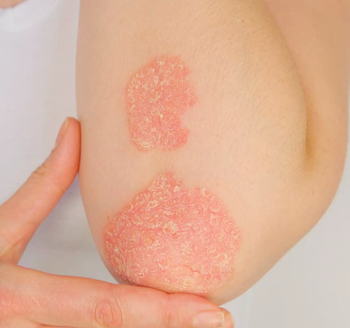
The findings of this post-hoc analysis suggest a need for follow-up studies assessing and comparing JAK inhibition impact on the development of enthesitis.

A Finnish study finds elevated cardiovascular risk in rheumatic diseases peaks within a year of diagnosis, emphasizing the need for early management strategies.

In a new study, cross-sectional analyses showed each 1-year increase in age-adjusted biological age was linked to a 1% - 10% increase in the risk of rheumatoid arthritis.

Patients with ACPA-positive RA and obesity had greater DAS44 scores compared to normal-weight patients, although this difference was not present in ACPA-negative RA.

Patients with both rheumatoid arthritis and depression have an increased risk of mortality by more than 2 times than patients with RA but no depression, according to a new study.