

Infection and injury were the most common responsible diagnoses for patinets with both PsA or AS.
Infection and injury were the most common responsible diagnoses for patinets with both PsA or AS.

Cancer risk was examined for breast, colorectal, lung, and prostate cancer.

A post-hoc analysis evaluated pooled data from 4 trials of pegloticase.

A study found frequent comorbidity between cluster headache, fibromyalgia, and migraine, as well as heightened depression and sleep disturbance among these individuals.
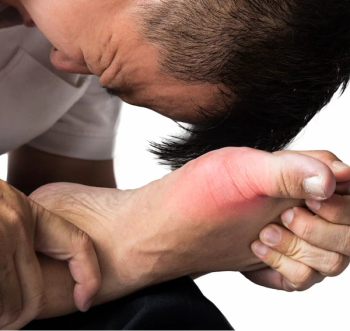
Heat therapy often worsened symptoms in a randomized controlled trial.


A VR exergame may facilitate patients’ physical activity while promoting relaxation and positive mental states.

Recommendations have been largely preserved since 2018 and the USPSTF acknowledged the need for more research and better risk assessment tools.

However, gout flare states of patient acceptable symptom state, low disease activity, or not achieving either were not associated with EQ-5D-3L or HAQ.

Investigators found an incidence of 26.2 severe infections per 100 patient-years with 4 deaths in the study.

Small molecule drugs may help fill gaps in treatment with biologic therapies.

Tocilizumab and other biological drugs were particularly efficacious in lowering overall hemostatic potential, mitigating blood clot risks.

Around 37% of those had never used a bDMARD reached sustained DMARD-free remission at 5 years,

Despite improvements in PROs and disease activity, no statistically significant changes have been seen on blood biomarker analysis.
The rheumatology month in review emphasizes new research in PsA and on cardiovascular events in rheumatic disease.

An active comparator study found that incident use of gabapentin was associated with lower rates of falls than duloxetine and similar rates of severe falls.

Less than half of rheumatologists self-reported adhering to febuxostat and allopurinol dosing recommendations.

Other recent research presented at ACR 2024 found increased CVD risk with glucocorticosteroid use.

A recent study identified the prevalence of asymptomatic pulmonary involvement in patients with newly diagnosed RA or PsA, highlighting the need to reevaluate screening protocols.

The exploratory MIRROR trial found pegloticase with methotrexate improved clinical assessment and quality of life outcomes in uncontrolled gout.
Cell therapy, particularly CAR-T, is expanding into autoimmune diseases like lupus and multiple sclerosis. While promising, safety, efficacy, and broad applicability remain uncertain.
This year in review spotlights top rheumatology FDA news from 2024 and new research out of the ACR 2024 Convergence.
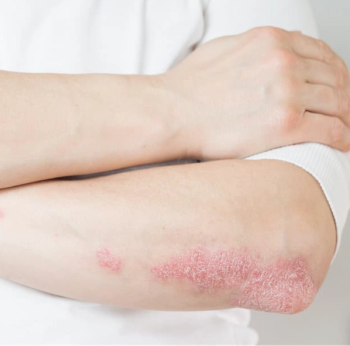
After 16 weeks of treatment, a significantly greater proportion of deucravacitinib-treated patients achieved ACR20 response.

The COSMOS trial showed guselkumab every 8 weeks improved PsA outcomes through week 48, including in patients with inadequate responses to TNF inhibitors.
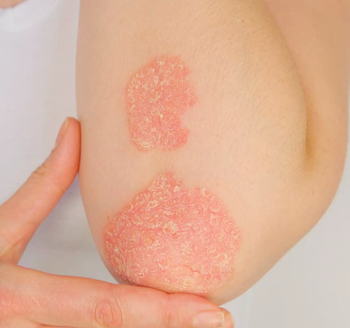
A prospective study also found that the presence of psoriasis and dactylitis at disease onset were the strongest predictors for the development of PsA.

A study found the association between sedentary behavior and gout remained strong even when adjusting for physical activity.

These findings, from an observational study, should be confirmed in a randomized, controlled trial.

The FDA has accepted the NDA for TNX-102 SL, a non-opioid, centrally acting analgesic, for the bedtime treatment of fibromyalgia; the PDUFA date still needs to be assigned.
The rheumatology month in review emphasizes new data from ACR 2024 in lupus, gout, and fibromyalgia.