

New findings reveal how dysfunctional metacognitions and anger rumination contribute to pain intensity in fibromyalgia, suggesting innovative therapeutic approaches.
New findings reveal how dysfunctional metacognitions and anger rumination contribute to pain intensity in fibromyalgia, suggesting innovative therapeutic approaches.
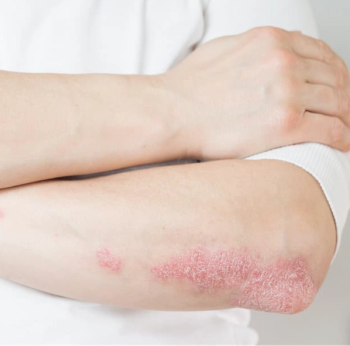
Intensive DMARD treatments significantly reduce pain in rheumatoid and psoriatic arthritis, shifting focus from opioids to effective pain management strategies.

AI revolutionizes systemic sclerosis diagnosis, enhancing treatment tracking and potentially improving patient outcomes through innovative deep neural network analysis.

New findings reveal that psoriatic arthritis symptoms often appear before psoriasis, challenging traditional beliefs about their development sequence.

New research reveals that higher protein intake may enhance lean and bone mass in individuals with rheumatic diseases, suggesting a need for dietary adjustments.
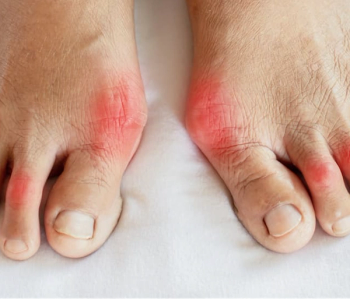
New research highlights Lipid Accumulation Product as a key predictor for gout and hyperuricemia, offering a modifiable risk factor for prevention.

An audio recap of the top 5 stories in healthcare news from the week of 05/12-05/18.

Celltrion's Yuflyma gains FDA interchangeability, offering a cost-effective biosimilar option for various conditions, including rheumatoid arthritis and psoriasis.

Researchers introduce the Fibromyalgia Quality of Life Scale (FM-QoLS), a reliable tool designed to assess the unique quality of life challenges faced by fibromyalgia patients.

A new study reveals semaglutide's protective effects against osteoporosis and gout in obese individuals with type 2 diabetes, enhancing metabolic health insights.

Notably, nearly 1/3 of study participants used opioids over a 12-month follow-up period, indicating significant pain.

EMD Serono previously announced that its CLE cohort had met its primary endpoint while its SLE cohort failed to follow suit.

Immersive virtual reality with biofeedback shows promise in reducing fibromyalgia pain and enhancing quality of life, paving the way for future studies.

A recent meta-analysis confirms belimumab's superior efficacy over placebo in treating systemic lupus erythematosus, potentially informing clinical management strategies.

A recent study reveals that anti-CGRP monoclonal antibodies effectively treat migraines in fibromyalgia patients, improving headache frequency and disability.
An audio recap of the top 5 stories in healthcare news from the week of 05/05-05/11.

New research highlights the importance of lifestyle changes to combat knee osteoarthritis, revealing obesity and knee injuries as key risk factors.
An audio recap of the top 5 stories in healthcare news from the week of 04/28-05/04.

COVID-19 vaccination had a particularly protective effect in males and those with anxiety or depression.

Adolescent gout rates are rising globally, highlighting the need for early intervention and lifestyle changes to mitigate health risks.

A new meta-analysis reveals aquatic exercise and resistance training as the top therapeutic exercises for reducing fibromyalgia pain in women.

SELARSDI gains FDA interchangeability with Stelara, enhancing access to affordable treatments for psoriatic arthritis, psoriasis, Crohn's, and ulcerative colitis.
An audio recap of the top 5 stories in healthcare news from the week of 04/21-4/27.

Stay updated with the latest healthcare breakthroughs, including FDA approvals and innovative treatments, in this week's essential news roundup for professionals.
This FDA News Month in Review provides a round-up of regulatory decisions from April 2025.


A new study utilizing machine learning reveals how physical activity reduces gout risk in people with hyperuricemia.

New findings highlight the link between fibromyalgia syndrome and increased rates of astigmatism, dry eye disease, and meibomian gland dysfunction.

A recent study reveals a significant prevalence of gout in end-stage renal disease patients, highlighting the complex relationship between kidney function and uric acid levels.

Upadacitinib joins tocilizumab as the second therapy to be approved for treating GCA.