

This FDA News Month in Review provides a round-up of regulatory decisions from June 2025.
This FDA News Month in Review provides a round-up of regulatory decisions from June 2025.
The rheumatology month in review emphasizes new research in RA burden, fibromyalgia treatment, and insights from the EULAR 2025 meeting.

An audio recap of the top 5 stories in healthcare news from the week of 06/16-06/22

Stay updated with the latest healthcare breakthroughs, including new phase 2/3 clinical trial data and an FDA approval, in this week's essential news roundup.

Presented at SDPA, the FOREMOST Trial showed apremilast reduces joint burden and improves function in early oligo PsA through week 48.
We spotlight 7 impactful regulatory decisions scheduled to occur during the second half of 2025.

With the approval, children ≥ 5 years of age with active lupus nephritis will have a first-of-its-kind treatment option for at-home administration.
Stay updated with the latest healthcare breakthroughs, including FDA approvals, clinical trial data, and novel research, in this week's essential news roundup.

Populations most affected by RA are also growing younger and broader since 1990.
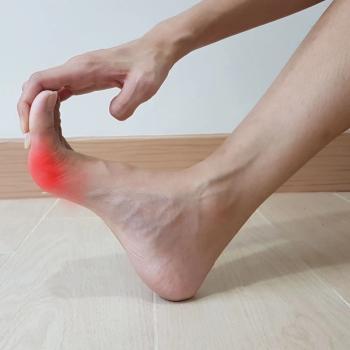
Recent research identifies 4 SNPs in the GCKR gene as significant genetic risk factors for gout, enhancing understanding of the disease's genetic basis.

New research highlights TNX-102 SL's potential to improve sleep and reduce pain in fibromyalgia, marking a significant advancement in treatment options.

A heightened risk of hyperuricemia and gout was observed with heavier, more frequent alcohol consumption, especially in males.

With the exception of duloxetine, milnacipran, and pregabalin, most therapies exhibited insignificant results in reducing pain.

New findings suggest Mu-Lympho-Marker could serve as a reliable biomarker for chronic pain in fibromyalgia, enhancing diagnosis and treatment strategies.

Depressive symptoms in the first 2 years after diagnosis were linked to lower odds of achieving remission in both RA and PsA.

Inebilizumab was approved by the FDA under the name Uplizna as the first and only treatment for adult patients with IgG4-RD in April 2025

New findings reveal upadacitinib's effectiveness in treating giant cell arteritis, highlighting reduced infection rates with shorter glucocorticoid tapering.

The findings are the latest from a series of trials seeking to decrease treatment burden for patients with uncontrolled gout.

New Phase 3 trial results reveal deucravacitinib's effectiveness in treating active psoriatic arthritis, offering hope for improved patient outcomes.

Recent studies reveal belimumab's effectiveness in treating lupus nephritis, showing significant renal response and improved patient outcomes in real-world settings.

New research highlights deucravacitinib's effectiveness in alleviating both skin and joint symptoms in people with both psoriasis and psoriatic arthritis.

Patients with concurrent type 2 diabetes mellitus and psoriatic arthritis who have a BMI below 30 kg/m2 exhibit higher all-cause mortality and lower 5-year survivability than those with higher BMI measurements.

Early results show efzofitimod's promise in treating systemic sclerosis-related interstitial lung disease, with significant skin improvement in patients.
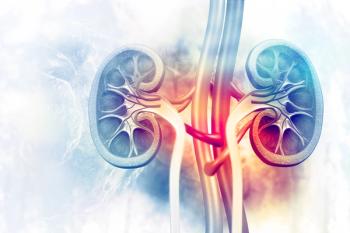
New analysis reveals obinutuzumab's potential to improve kidney inflammation and biomarkers in lupus nephritis.
The rheumatology month in review emphasizes new research in gout burden, fibromyalgia management, and innovative lupus treatments.

A recent study reveals significant variations in biologic use among pregnant patients with autoimmune diseases, highlighting the need for tailored risk-benefit assessments.

This FDA News Month in Review provides a round-up of regulatory decisions from May 2025.

However, a significant effect was seen in a subgroup of participants with severe pain (VAS score ≥ 80 mm) at baseline.

A new study reveals immersive virtual reality exercise reduces perceived pain in fibromyalgia patients, highlighting its potential for chronic pain management.

Epaminurad effectively lowers serum uric acid levels in gout patients, showing promise as a safe and tolerable treatment option.