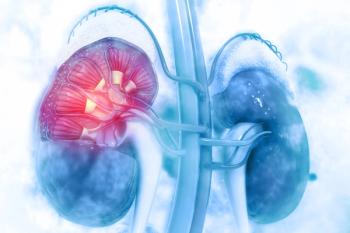

























































Mortality rates for white, African American and Hispanic patients with end stage lupus-related renal disease are down. The findings contradict a previous analysis conducted in 2006.


Mortality rates for white, African American and Hispanic patients with end stage lupus-related renal disease are down. The findings contradict a previous analysis conducted in 2006.

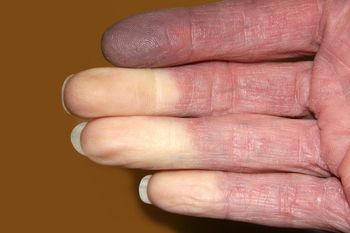
Patients with systemic lupus erythematosus often have a range of clinical symptoms that are nonspecific and overlap with other medical conditions, such as Sjögren’s syndrome, rheumatoid arthritis and Raynaud's syndrome.

Growth of bacteria in the intestinal tract is associated with increased lupus activity, particularly lupus nephritis, according to recent research.

By the time a patient is diagnosed with SLE, nephritis has already set in for 35 percent of patients. The American College of Rheumatology offers screening, treatment and management guidelines for lupus nephritis patients. In this slideshow, we review the options.

Drug-induced lupus and systemic lupus erythematosus (SLE) are two entirely different entities. Failure to identify SLE could lead to worsening symptoms, researchers say.

A new study published online ahead of print in Arthritis Care & Research sheds light on the barriers rheumatology patients face with regards to smoking cessation while describing individual reactions to cessation protocols and identifying patient centered outcomes after improvements in care.

Renal transplant can substantially improve survival rates for patients with lupus nephritis, according to new research.

Using a frailty index to predict adverse outcomes and mortality in systemic lupus erythematosus proves to be feasible and effective in a study. The test, SLICC-FI, correlated well with existing measures of SLE disease activity, organ damage and HRQoL.

A recent study published in Arthritis & Rheumatology has demonstrated that belimumab is both safe and effective in patients with systemic lupus erythematosus and provides disease control over the long term.

Higher lupus disease activity may be associated with bacteria from periodontal disease, which may be an important modifiable mediator of SLE disease activity.

In this quiz, we revisit recent advances made in systemic lupus erythematosus (SLE).

Increased cancer risk, a new measure for disease outcomes and a new treatment are among the developments in systemic lupus erythematosus (SLE) published in recent months. Learn more in this slideshow.

This meta-analysis confirms and clarifies the link between SLE and certain types of cancer.

While traditional risk factors play a role, factors specific to SLE also contribute to CVD.

Test your knowledge of the featured topics and findings reported at rheumatology’s annual educational gathering.

How to ensure your patients with lupus receive the vaccines they need.

What’s new: (1) Gut bacterium may trigger autoimmune disease; (2) pregnancy complications in SLE have declined; (3) childhood abuse raises lupus risk.

Take this 6-question quiz to test your knowledge of current recommendations for CV risk assessment, cancer screening, and immunization in patients with lupus.

The pros and cons of HCQ dosing guidelines to limit potential eye toxicity were explored at this year’s ACR/ARHP Annual Meeting.

Here: highlights of some of the studies that will be presented at the American College of Rheumatology 2018 Annual Meeting in Chicago from October 19 to 24.

Take the quiz to see how much you know about SLE-related complications during pregnancy.

Canadian researchers have identified predictors of subclinical cardiomyopathy in patients with lupus.

(1) Menopause worsens RA symptoms; (2) obesity increases disease activity in women with lupus; and (3) signs of cardiac disease appear early in SLE.

This complication occurs in up to 44% of patients with systemic lupus erythematosus.

Two recent studies underscore the key role of interferon in SLE; a third trial identifies a link between undiagnosed vertebral fractures and organ damage in women with lupus.