

Less than half of rheumatologists self-reported adhering to febuxostat and allopurinol dosing recommendations.

Victoria Johnson joined the MJH Life Sciences in 2020 and has written for NeurologyLive, CGTLive, and now HCPLive and RheumatologyLive. You can reach her at vjohnson@mjhlifesciences.com
Less than half of rheumatologists self-reported adhering to febuxostat and allopurinol dosing recommendations.

Other recent research presented at ACR 2024 found increased CVD risk with glucocorticosteroid use.
Cell therapy, particularly CAR-T, is expanding into autoimmune diseases like lupus and multiple sclerosis. While promising, safety, efficacy, and broad applicability remain uncertain.
This year in review spotlights top rheumatology FDA news from 2024 and new research out of the ACR 2024 Convergence.

After 16 weeks of treatment, a significantly greater proportion of deucravacitinib-treated patients achieved ACR20 response.
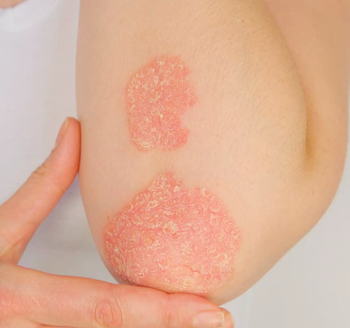
A prospective study also found that the presence of psoriasis and dactylitis at disease onset were the strongest predictors for the development of PsA.

Davidow discussed how a new cohort study has helped support findings of an older European study and the need for a prospective trial to confirm the increased risk.

These findings, from an observational study, should be confirmed in a randomized, controlled trial.
The rheumatology month in review emphasizes new data from ACR 2024 in lupus, gout, and fibromyalgia.

Women who gave birth after infertility without receiving fertility treatments had an elevated risk of developing SARDs, such as lupus.

Troum discussed the AGILE study and how DECT scanning helped visualize improvements in uncontrolled gout.

CDC, NIH, and AMA recommend PEMs to be at a 6th-to-8th-grade reading level, while assessed materials were readable at high school or higher levels.

CT-P41 had similar rates of bone mineral density increases and adverse events in data presented at the ACR 2024 Convergence.

The GLEAM trial is currently enrolling patients to receive SC291, with data expected in 2025.

Ustekinumab-kfce is planned for launch in February 2025 according to a previous settlement and license agreement with Janssen.

Findings from PsABIOnd can help reassure clinicians of similar efficacy between treatment choices.

At the highest dose levels, mean plasma urate levels remained below 6.0 mg/dL for up to 12 weeks.

Stone discussed the phase 3 MITIGATE study, other potential treatment strategies, and top research priorities moving forward for IgG4.

Patients in the anifrolumab arm also had lower rates of damage accrual.

Conaghan discussed findings from a phase 2 trial at the ACR 2024 Convergence.

The findings are especially important as differences in disease characteristics and outcomes between male and female patients become more clear.

Emapalumab may improve outcomes in patients with MAS whose disease didn’t respond to steroid therapy and mitigate the need for more toxic therapies.

Arnold discussed his research in analyzing and improving current classifications of ANA-RMDs and how it could help improve research in the field.
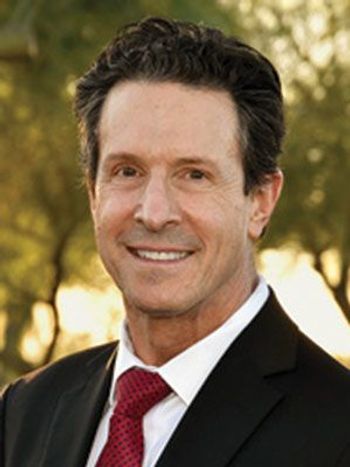
Tesser discussed the background of the phase 3 RESET-RA trial and efficacy findings.
Infusion reaction rates and serum level lowering were similar between 120-minute and 60-minute infusion cohorts in the phase 4 AGILE study.

Clowse discussed findings from the phase 3 PHOENYCS GO trial presented at the 2024 ACR Convergence.

Data from 2 studies presented at ACR 2024 demonstrate the potential of AI to improve access to quality rheumatological assessments.

Noaiseh discussed data from the DAHLIAS study linking, for the first time, clinical responses, with autoantibody levels.
Over half of patients treated with LEVI-04 had at least a 50% reduction in pain and over 25% had at least a 75% reduction.