

The phase 3 PHOENYCS GO trial met its primary endpoint in achieving BICLA response at week 48 compared with placebo.

Victoria Johnson joined the MJH Life Sciences in 2020 and has written for NeurologyLive, CGTLive, and now HCPLive and RheumatologyLive. You can reach her at vjohnson@mjhlifesciences.com
The phase 3 PHOENYCS GO trial met its primary endpoint in achieving BICLA response at week 48 compared with placebo.
Over one-third of participants had had inadequate responses or intolerance to at least 3 prior b/tsDMARDs.

However, fewer patients experienced flares in the tofacitinib group than in the placebo group, among other positive findings.

Gossec discussed findings from the PsABIOnd study presented at the 2024 ACR Convergence.

Just discussed data from 2 studies demonstrating efficacy of AI assessment compared to clinician assessment.

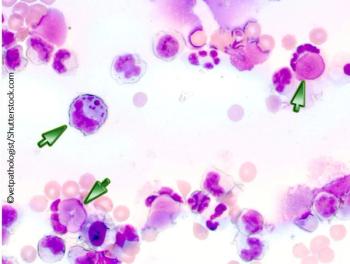
Findings from the first and only controlled study for macrophage activation syndrome were presented at the ACR Convergence.

Gandhi discussed examining social security disability rates and how SSD criteria may clash with a trait disease like fibromyalgia.

Troum discussed positive efficacy and safety findings from the phase 4 AGILE study.

Schett discussed findings from 2 early studies of CD19 CAR T-cell therapy.

A-319 has been well-tolerated so far and dose-escalation is ongoing in the phase 1 trial.

Stone discussed findings from the first randomized, double-blind, placebo-controlled trial for IgG4-related disease.

People who used GC for over 2 years and 3 years had elevated risks of CVD and infection-related mortality, respectively, that never returned to pre-GC use levels.

IL-18 levels were consistently lower across participants with different SARDs, remission status, and COVID-19 disease characteristics.

While an effective and promising strategy for chronic pain relief, more research on long-term cannabis usage is needed.
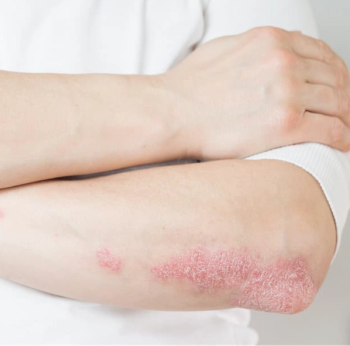
People with diabetes, kidney stones, damaged joints, high uric acids, and daily use of NSAID were more likely to develop CKD than others.

People that reported only some or none of their flares had almost twice the rate of gout flares in the last year than those reporting all of their flares.

Highest responders on DAS28 also had significantly greater decreases in 12-hydroxyeicosatetraenoic than low responders.

Combining interventions yielded no significant differences in outcomes, pain, or quality-of-life.

Veterans residing in rural areas were only 10% more likely to initiate biologic therapies than those residing in rural areas.

The pain reduction effects did not last long beyond the scope of the trial, underscoring the importance of continuing such exercises.

SGLT-2 inhibitors had more protective effects than GLP-1 receptor agonists or DPP-4 inhibitors in this population.
A new cohort study including over 6 million participants has found an increased likelihood of Behçet disease, alocpecia, bulbous pemphigoid and other disorders post-COVID infection.

The international phase 4 MOSAIC study is the first evaluating PsAMRIS and MRI-WIPE outcomes in patients with psoriatic arthritis.

Week 156 efficacy and safety data from the FINCH 4 study are consistent with that seen in FINCH 1, 2, and 3.
The rheumatology month in review emphasizes new data on secukinumab, gout clinical decision making, and addressing sleep issues in fibromyalgia.

SF-36v2 scores also improved by 12 points with semaglutide compared with 6.5 points with placebo.
Four of 5 participants with follow-up reaching 3 months have achieved SRI-4 disease responses.

Abdellatif discussed the importance of screening for osteopenia in patients with severe kidney disease.

Patients exposed to screening were also more likely to receive vaccinations and consult a cardiologist and/or a pneumologist.

Investigators analyzed antibody response after 2 SARS-CoV-2 vaccinations.