

Rosnilimab shows promising long-term efficacy in treating moderate-to-severe rheumatoid arthritis.

Victoria Johnson joined the MJH Life Sciences in 2020 and has written for NeurologyLive, CGTLive, and now HCPLive and RheumatologyLive. You can reach her at vjohnson@mjhlifesciences.com
Rosnilimab shows promising long-term efficacy in treating moderate-to-severe rheumatoid arthritis.

The therapy, marketed as Tonmya, is a sublingual formulation of cyclobenzaprine HCl.
SetPoint Medical's FDA-approved device offers a new neuroimmune therapy for rheumatoid arthritis, enhancing treatment options without immune risks.


Novartis is planning regulatory submissions for the therapy, which could become the first to meaningfully modify disease activity.

New research reveals challenges in maintaining urate-lowering therapy for gout, highlighting disparities in adherence among diverse patient populations.

New findings reveal CFT outperformed usual care to significantly reduce chronic low back pain and activity limitations.
The rheumatology month in review emphasizes new research in psoriatic arthritis treatments and data from EULAR 2025.
Guselkumab shows promise as the first IL-23 inhibitor to significantly reduce joint damage in active psoriatic arthritis.

Reformer Pilates significantly reduces pain and enhances mental and physical health in women with chronic musculoskeletal pain, promoting active living and coping strategies.
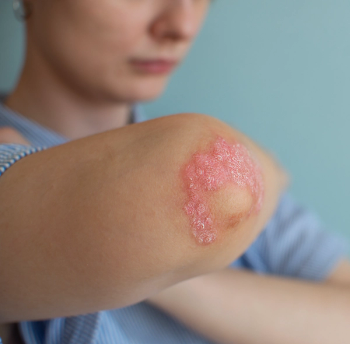
New phase 3 trials reveal tildrakizumab 100mg significantly improves symptoms in active psoriatic arthritis, offering hope for effective treatment options.

Machine learning uncovers gut microbiome biomarkers linked to purine metabolism, enhancing diagnostic strategies for gout and hyperuricemia.

Conversely, influenza vaccine was associated with increased COVID-19 severity and hospitalizations in patients with inflammatory rheumatic diseases.
Bristol Myers Squibb's deucravacitinib shows promise as a safe, effective treatment for active psoriatic arthritis, pending FDA approval by March 2026.

GLP-1 receptor agonists show promise in reducing pain, fatigue, and opioid use in fibromyalgia patients, suggesting a new therapeutic avenue.

TYK2 inhibition may offer a potentially better tolerated treatment option than JAK inhibitors for people with PsA.

A study reveals a significant link between poor oral health and increased migraines and body pain in women, highlighting implications for fibromyalgia management.

Explore groundbreaking FDA approvals and clinical trial advancements in rheumatology, offering new hope for patients with rare autoimmune diseases and chronic conditions.

This FDA News Month in Review provides a round-up of regulatory decisions from June 2025.
The rheumatology month in review emphasizes new research in RA burden, fibromyalgia treatment, and insights from the EULAR 2025 meeting.

We spotlight 7 impactful regulatory decisions scheduled to occur during the second half of 2025.

Populations most affected by RA are also growing younger and broader since 1990.

New research highlights TNX-102 SL's potential to improve sleep and reduce pain in fibromyalgia, marking a significant advancement in treatment options.

New findings suggest Mu-Lympho-Marker could serve as a reliable biomarker for chronic pain in fibromyalgia, enhancing diagnosis and treatment strategies.

Inebilizumab was approved by the FDA under the name Uplizna as the first and only treatment for adult patients with IgG4-RD in April 2025

New findings reveal upadacitinib's effectiveness in treating giant cell arteritis, highlighting reduced infection rates with shorter glucocorticoid tapering.

The findings are the latest from a series of trials seeking to decrease treatment burden for patients with uncontrolled gout.

New Phase 3 trial results reveal deucravacitinib's effectiveness in treating active psoriatic arthritis, offering hope for improved patient outcomes.

New research highlights deucravacitinib's effectiveness in alleviating both skin and joint symptoms in people with both psoriasis and psoriatic arthritis.

Early results show efzofitimod's promise in treating systemic sclerosis-related interstitial lung disease, with significant skin improvement in patients.