

Troum discussed the AGILE study and how DECT scanning helped visualize improvements in uncontrolled gout.
Troum discussed the AGILE study and how DECT scanning helped visualize improvements in uncontrolled gout.

Stone discussed the phase 3 MITIGATE study, other potential treatment strategies, and top research priorities moving forward for IgG4.

Conaghan discussed findings from a phase 2 trial at the ACR 2024 Convergence.

At ACR, HCPLive spoke with Erin Treemarcki on a survey that showed many rheumatologists do not use established enthesitis scoring measures for children.
At ACR, HCPLive spoke with Ashima Makol, MD, about factors linked to a worse health-related quality of life in patients with early systemic sclerosis.

Emapalumab may improve outcomes in patients with MAS whose disease didn’t respond to steroid therapy and mitigate the need for more toxic therapies.

Arnold discussed his research in analyzing and improving current classifications of ANA-RMDs and how it could help improve research in the field.
Tesser discussed the background of the phase 3 RESET-RA trial and efficacy findings.

Noaiseh discussed data from the DAHLIAS study linking, for the first time, clinical responses, with autoantibody levels.

Gossec discussed findings from the PsABIOnd study presented at the 2024 ACR Convergence.

Just discussed data from 2 studies demonstrating efficacy of AI assessment compared to clinician assessment.

Gandhi discussed examining social security disability rates and how SSD criteria may clash with a trait disease like fibromyalgia.
Troum discussed positive efficacy and safety findings from the phase 4 AGILE study.
Schett discussed findings from 2 early studies of CD19 CAR T-cell therapy.
Stone discussed findings from the first randomized, double-blind, placebo-controlled trial for IgG4-related disease.
Abdellatif discussed the importance of screening for osteopenia in patients with severe kidney disease.

Calabrese discussed considerations for patients with rheumatic disease diagnosed with COVID-19 and the virus’s role in promoting inflammation.

APAC President Laura Ross, PA-C, shares insights from the RhAPP conference, discussing autoimmune disease, cardiovascular risks, and the importance of interdisciplinary care.

Mease discussed the importance of comparator studies in a growing treatment landscape for PsA.
Calabrese discussed factors for rheumatologists to keep in mind, including recent travel and screening for viral infections.

Panelists discuss how their approaches to treating patients with rheumatoid arthritis focus on personalized strategies that prioritize achieving remission while carefully monitoring safety and efficacy outcomes.
Panelists discuss how the findings from the ORAL Surveillance study regarding cardiovascular and cancer risks associated with tofacitinib have influenced perceptions of JAK inhibitors, emphasizing the need to balance safety concerns with their efficacy in managing rheumatoid arthritis.
Calabrese discussed the multi-faceted role of viral infections in the field of rheumatology ahead of the 2024 CCR West meeting.
Nehad Soloman, MD, FACR; Andrew Sharobeem, DO, FACR, and Sunil Patel, MD, explore the nephrologist's vital role in gout diagnosis, treatment options for gout patients with chronic kidney disease, and strategies for managing refractory gout and its associated challenges.
Panelists discuss how continued cycling of tumor necrosis factor inhibitors (TNFis) without achieving remission can lead to complications like irreversible joint erosion, significantly diminishing patient quality of life, and explore why providers may persist with TNFis despite failure, access barriers to switching mechanisms of action, and treatment considerations for patients whose initial positive response to TNFis declines over time.
Panelists discuss how switching to a biologic with a different mechanism of action can enhance clinical outcomes in patients with inadequate responses to tumor necrosis factor inhibitors.

A key opinion leader discusses off-label treatments for fibromyalgia symptom management and promising ongoing studies, as well as mobile applications that can aid in monitoring and managing fibromyalgia symptoms.
Roy Morello, MD, discusses his team's research into the causes of poor pulmonary function among patients with osteogenesis imperfecta—better known as "brittle bone disease."
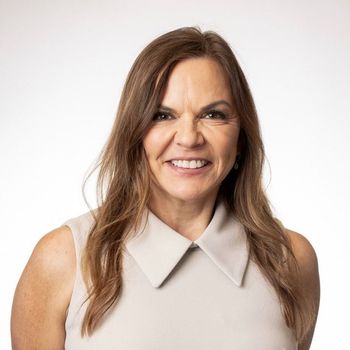
This interview at the Fall 2024 Maui Derm conference features Melodie Young, with a discussion about updates in psoriasis and psoriatic arthritis therapy for children.
Panelists discuss how the varying selectivity of JAK inhibitors—such as tofacitinib's broad inhibition of JAK1/JAK2/JAK3, baricitinib's inhibition of JAK1/JAK2, and upadacitinib's focus on JAK1—affects dose-related toxicity and overall treatment safety.