
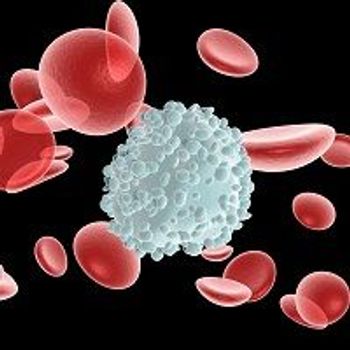
White blood cells may be the cause of rheumatoid arthritis, according to a study from Northwestern Medicine.
White blood cells may be the cause of rheumatoid arthritis, according to a study from Northwestern Medicine.
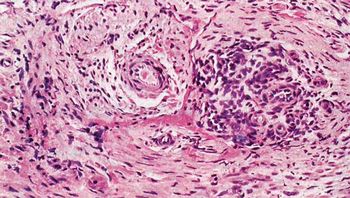
Statin use by patients with muscle damage may induce neoantigens, leading to polymyalgia rheumatica and giant cell arteritis.

The authors reviews several challenging cases illustrating the utility of the anion gap in the evaluation of an acidotic patient.

New rheumatology-focused electronic health record systems make recording patient assessments easier. However, there's still plenty of room for improvement

Carpal tunnel syndrome pain is effectively reduced using topical menthol gel, according to a study from Denmark.
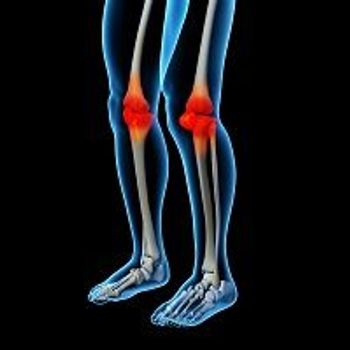
Pain and depression, but not disability, stem from sleep disturbances in patients with osteoarthritis, suggests a study published in Arthritis Care & Research.
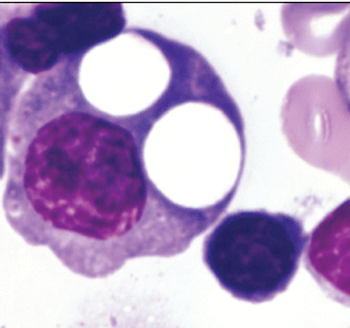
The rare diseases that prevent immunoglobulin molecules from forming properly can present with symptoms typical of rheumatic disease: rashes, joint swelling, and stiffness.

Nausea and vomiting are the first symptoms of lupus in these three case studies. The consequences of misdiagnosis can be life-threatening.

Recent approvals and ongoing research have expanded the number of treatment options available to pediatricians and their patients.
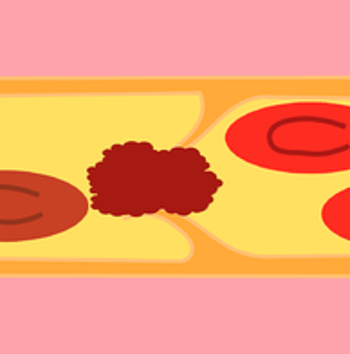
Risks for venous and pulmonary thromboembolism are increased dramatically in patients with giant cell arteritis, especially in the first year after diagnosis.
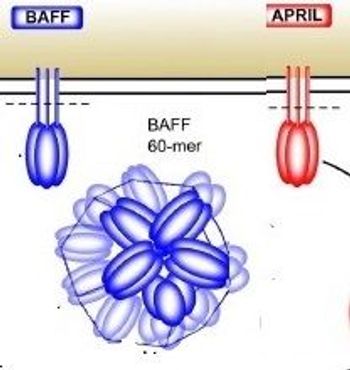
Already discontinued for rheumatoid arthritis, the candidate drug tabalumab will no longer be tested for lupus either. Observers are taking a positive view of the situation.

A drug designed to treat patients with rheumatoid arthritis could also make them more susceptible to shingles, according to the results of a recent study.
Symptoms of neuropathy are present in patients with knee osteoarthritis, according to research from the University of Nottingham in the United Kingdom.
Trials of tabalumab showed "insufficient efficacy."

People who have rheumatoid or psoriatic arthritis or lupus are at increased risk for shingles. Studies suggest that treatment for the rheumatic condition may be a factor in certain circumstances.
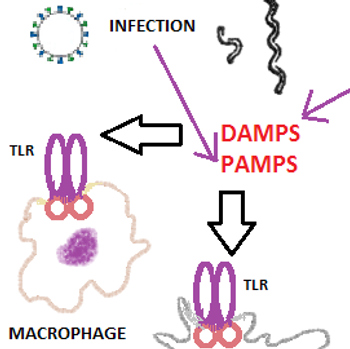
Polymyositis and dermatomyositis appear to be triggered by the response of certain receptors to danger signals from damaged cells. This offers a new avenue for treatments now in testing.
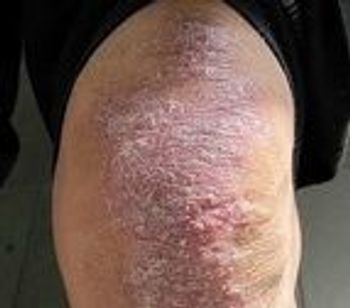
The FDA has approved the PDE4 inhibitor apremilast (Otezla) for plaque psoriasis. It was already approved for psoriatic arthritis.

A patient with rheumatoid arthritis declines to take pain relievers. His wife says he needs them, but won't admit it. What should be done?
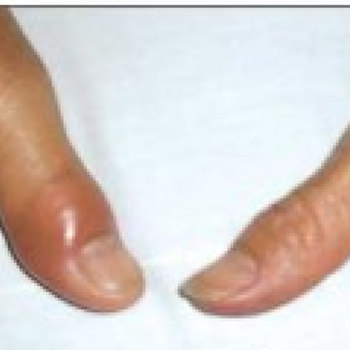
The 45-year-old woman turned up in the emergency room with an acutely painful, swollen thumb. Aspiration results were uninformative. What's the diagnosis?
Neurological symptoms may be the presenting feature in lupus, sarcoidosis, vasculitis, and other rheumatic diseases, notes this review. Treatment may also cause neurological side effects including demyelination, tremor, and psychosis.

Knowledge of dietary supplement properties, uses, and contraindications is highly relevant to any health care practitioner that treats patients with chronic pain. Data shows that the top four reasons for supplement use are back pain, neck pain, joint pain, and arthritis.
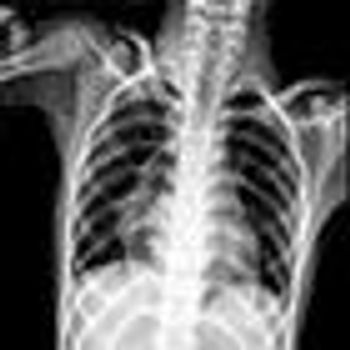
Confirming the high pneumonia risk in lupus patients, researchers in Spain have found that it may precede the onset of the immune disorder. Their biological studies suggest that a particular underlying immune abnormality may explain both.

Rheumatologists can play a key role in management of the many subtypes of cryoglobulinemia by recognizing the chief symptoms. Challenge your knowledge in this brief quiz, then read a review by experts.
Researchers are testing promising new biologic agents that target different aspects of the inflammatory pathway in rheumatoid arthritis (RA).
In recent years, introduction of biologic agents for treatment of patients with rheumatoid arthritis (RA) has changed the landscape of RA management.

People who smoke and have more sodium in their diets than others could also be more likely to eventually develop rheumatoid arthritis (RA), according to a recent study.

Psoriatic arthritis may be difficult to distinguish from other types of arthritis. According to results of a new study, assessing a patient's sense of balance and hearing ability may be an aid in the diagnosis.

Patients with osteoporosis have to deal with many potential complications and comorbidities with their condition, most notably the risk of fracture as a result of the bone loss.

Separate newly published assessments describe hyaluronic acid injections and debridement after meniscectomy of scant clinical value for longstanding relief of knee pain, whatever small statistical significance may turn up in some studies.
On June 7, 2014, the state of Missouri passed State Bill 716, a piece of legislation creating a new category of health care provider in the state, known as the, "Assistant Physician."