

Even a well-informed patient may sometimes throw your prescription in the trash. Here a young woman with lupus describes what sometimes prompts her simply to ignore her doctor's best advice about treatment.
Even a well-informed patient may sometimes throw your prescription in the trash. Here a young woman with lupus describes what sometimes prompts her simply to ignore her doctor's best advice about treatment.
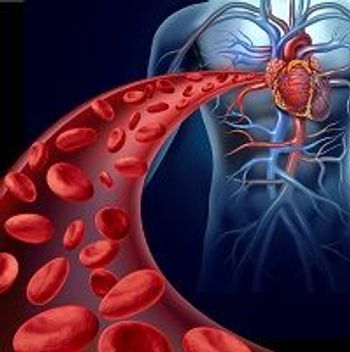
The increased insulin resistance seen in rheumatoid arthritis (RA) patients compared to non-RA controls did not contribute to additional atherosclerosis risk, according to research published in Arthritis & Rheumatology.

Three eminent rheumatologists have posted their comprehensive textbook of rheumatology online, open-access and free. They are calling it Rheumaknowledgy.
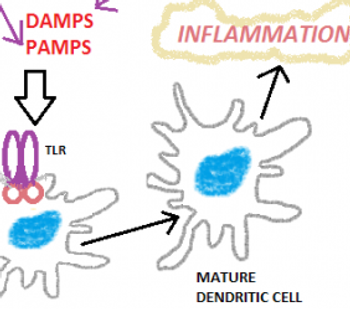
A special issue of a science journal is devoted to inflammatory pathways important in autoimmune disorders such as rheumatoid arthritis. Watch these names: The major signals are already turning up as targets for new drugs in rheumatology.
Women who use acetaminophen or NSAIDs regularly for years appear to be at increased risk for psoriatic arthritis, data from the Nurses Health Study reveal.
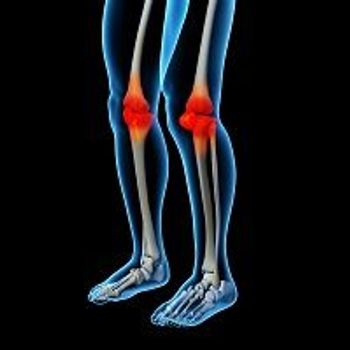
The pain that typically accompanies osteoarthritis may be associated with excess mortality among middle-aged women, British scientists reported.
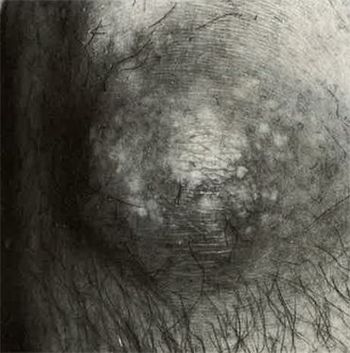
A recent interest in the effects of neutrophil extracellular traps in gout tophi could shed light on inflammatory processes in other autoimmune diseases.
When it comes to a total knee replacement (TKR), gender proved to be an important factor in a new study that shows men have better function before and after the surgery.
Tofacitinib affects response to the pneumonia (but not the influenza) vaccine in rheumatoid arthritis patients, especially those also taking methotrexate.

Signs of frailty cannot be contributed solely to aging, and may be a combination of sedentary lifestyles and inactivity, according to research.

Discontinuing disease-modifying anti-rheumatic drug (DMARD) therapy in patients with rheumatoid arthritis who have achieved remission is safe, according to research published in the Annals of Rheumatic Diseases.

Evaluating a 29-year-old female business executive with complaints of joint pains and stiffness affecting both hands and wrists, both feet and her left knee. She has reported these symptoms for the past 3 weeks.
The American College of Rheumatology has issued a public statement of concern about the need for policy changes, studies, and post-marketing vigilance in the wake of FDA's approval of the first US biosimilar.

Contrary to popular opinion, exercise programs may relieve joint and muscle stiffness in patients with rheumatoid arthritis.
The patient is a 48-year-old male with "heart trouble" since the age of 6 years, after having rheumatic fever. He was treated with digitalis and diuretics until he was 31 years of age when he was admitted for heart failure and underwent closed commissurotomy.

The filgrastim biosimilar Zarxio, the first approved in the US, can be used to treat patients with acute myelogenous leukemia and bone marrow transplants, among other conditions. A biosimilar form of the rheumatology drug infliximab may be close on its heels.

Not all cases with rheumatic disease turn up in the rheumatology literature, of course. Test your diagnostic skills on these four puzzlers from other journals. (We present brief descriptions only, with hyperlinks to the original reports.)
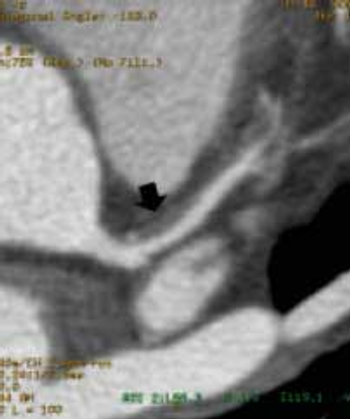
In a before-and-after study with CT imaging, signs of large vessel vasculitis and aortic wall thickening improved for some but not all patients treated with steroids for giant-cell arteritis

Rheumatoid arthritis pain has been alleviated in half of patients enrolled in a study which used an electrical implanted device to emit magnetic pulses at the Academic Medical Center in Amsterdam, the Netherlands.

Prior authorizations have begun to spread pandemic-like from high-cost biologics to treatments used routinely in rheumatology. The time burden on rheumatologists is insupportable, contends the author, who says it's time to take action.

Registry data show that smokers with spondyloarthropathies have markedly less improvement in disease activity on TNF inhibitors. The evidence also suggests that quitting the smoking habit erases this disadvantage.
In a study published in the journal Clinical Chemistry and Laboratory Medicine, investigators identified uric acid as a potential biomarker in the progression of multiple sclerosis disability.
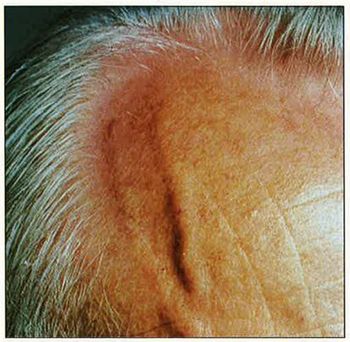
Patient age and platelet count can inform the need for temporal artery biopsy in diagnosing giant cell arteritis, a retrospective study suggests.
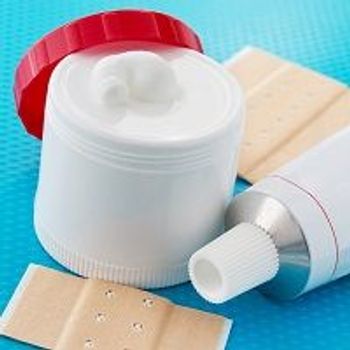
The addition of a topical corticosteroid to once-weekly etanercept produces similar outcomes among patients with moderate to severe plaque psoriasis as a regimen of twice weekly etanercept at the same dose.
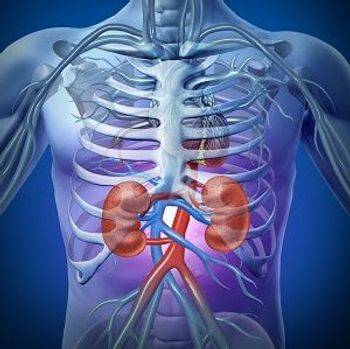
A clinical trial that evaluated the use of tocilizumab for the treatment of patients with rheumatoid arthritis and renal insufficiency found the medication to be safe and effective.
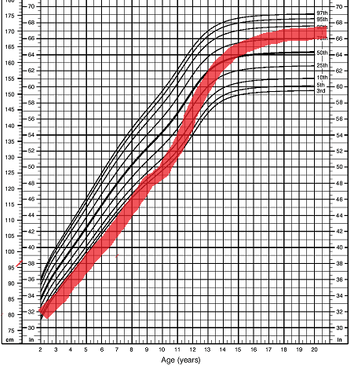
The TNF-α blocker improved growth rates for many preadolescent girls with juvenile arthritis, especially those who hadn't been taking steroids.

This lupus patient likes her rheumatologist but sometimes hates seeing him. She gives two reasons for this, and offers suggestions to improve the relationship.
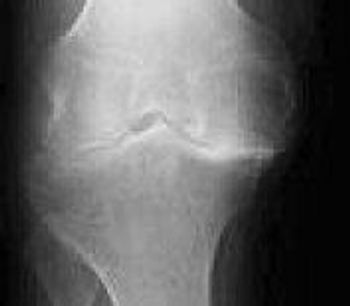
A 606-patient randomized trial from Europe finds that a glucosamine-chondroitin combination works as well as the drug celecoxib (Celebrex) for knee osteoarthritis.
This observational cohort study from New Zealand found that "gossipy" magazines are often subtly taken from your waiting room, while the "non-gossipy" magazines remain.
The first antibody found (researchers claim) to react with both skin and joints may explain why psoriasis can progress to psoriatic arthritis. Validated, it could also improve diagnosis.