

Rheumatologists still lack confidence in prescribing biosimilars, shows study presented at EULAR.
Rheumatologists still lack confidence in prescribing biosimilars, shows study presented at EULAR.

Rheumatoid arthritis patients receive treatment that is on par with that of a physician, shows a study based on patient-reported outcomes and disease activity. The study was recently reported at the EULAR annual meeting.


Dr. Vibeke Strand discusses the relationship between COVID-19 and psoriatic arthritis.

Insulin resistance is independently associated with body mass index and synovitis in rheumatoid arthritis patients, shows new research published in Arthritis and Rheumatology.
Dr. Vibeke Strand discusses how better treatment of psoriatic arthritis could yield better treatments for NASH.

An expert consensus on the first clinical practice recommendations for platelet-rich plasma (PRP) injections in knee osteoarthritis was presented at the European Congress of Rheumatology annual meeting.

Gout must be treated every day rather than as a single event.
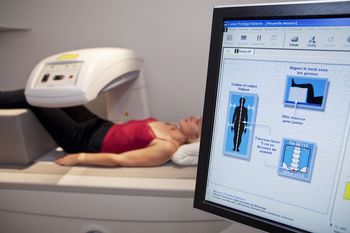
A wide range of techniques are used in research to assess bone density and quality, but dual-energy X-ray absorptiometry (DXA) is likely to remain the standard procedure used in clinical practice for the foreseeable future for most patients, predicts the co-author of a recent review of imaging-based techniques for assessing bone in rheumatology.
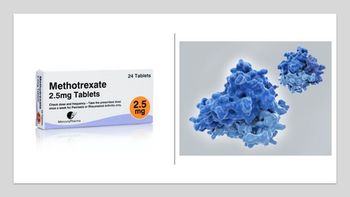
Researchers report that methotrexate with a tumor necrosis factor inhibitor may be best for biologic naive rheumatoid arthritis patients.

Rheumatologists should feel more confident in recommending vaccination against herpes zoster to patients with rheumatoid arthritis after a study suggested that the recently approved recombinant adjuvanted vaccine was well tolerated in this group of patients.

COVID-19 is delaying and disrupting the treatment of many patients with osteoporosis, so the American Society for Bone and Mineral Research (ASBMR) set up a steering committee of bone specialists to consider how best to manage these patients.

One in a 100 rheumatoid arthritis patients with high disease activity will develop a venous thromboembolism, a more than twofold increase compared to patients in remission, according to results from a Swedish cohort study presented at the European Congress of Rheumatology (EULAR) annual meeting last week.
John Botson, MD, defines gout and how it can be treated.
A clinical rheumatologist breaks down how the combination therapy can be used to treat uncontrolled gout.

EULAR has issued treatment recommendations for patients with rheumatic and musculoskeletal conditions with SARS-CoV-2 or COVID-19. A task force of 20 physicians settled on five overarching principles and 13 recommendations, which are similar to COVID-19 treatment guidelines issued by ACR in April-with slight variations.

The drug is well-tolerated in methotrexate inadequate response patients with rheumatoid arthritis.

Patients who cannot tolerate cDMARDs may experience additional value from tocilizumab compared to adalimumab.

Dr. Philip Mease explains the next steps for testing the efficacy and safety of upadacitinib for patients with psoriatic arthritis.

Dr. Dennis McGonagle said guslekumab is also being tested in patients with inflammatory bowel disease.

The increased cardiovascular disease risk in patients with ankylosing spondylitis is explained both by traditional cardiovascular risk factors as well as the underlying chronic inflammatory process. However, this dual etiology is not adequately addressed in clinical practice, according to a presentation on June 3 at the European Congress of Rheumatology (EULAR) annual meeting.

Spondyloarthritis is associated with an increased risk of preterm births, small gestational age infants and elective cesarean section deliveries, according to study data presented on June 4 at the European Congress of Rheumatology (EULAR) annual meeting.
Dr. Philip Mease discusses some of the treatments currently being tested for effectiveness against COVID-19.

Rheumatoid arthritis patients with probably major depressive disorder or generalized anxiety disorder were more likely to suffer from worse fatigue and pain.
Dr. Philip Mease explains the relationship between rheumatoid arthritis and psoriatic arthritis.
More patients maintain therapeutic response when treated concomitantly with methotrexate and pegloticase when compared to those who use pegloticase alone.

A team investigated data from trials of tofacitinib, adalimumab, and placebo.

Study drug also recently showed promise in treating psoriatic arthritis.

The safety profile is consistent with previous studies of the ixekizumab.

The safety profile of upadacitinib is consistent with phase 3 rheumatoid arthritis studies.